filter_list Showing 10 results for "us art exhibitions" close Clear
search
dashboard All 10 article news 5museum exhibitions 3article culture 1rate_review review 1
date_range Range Today This Week This Month All
Subscribe

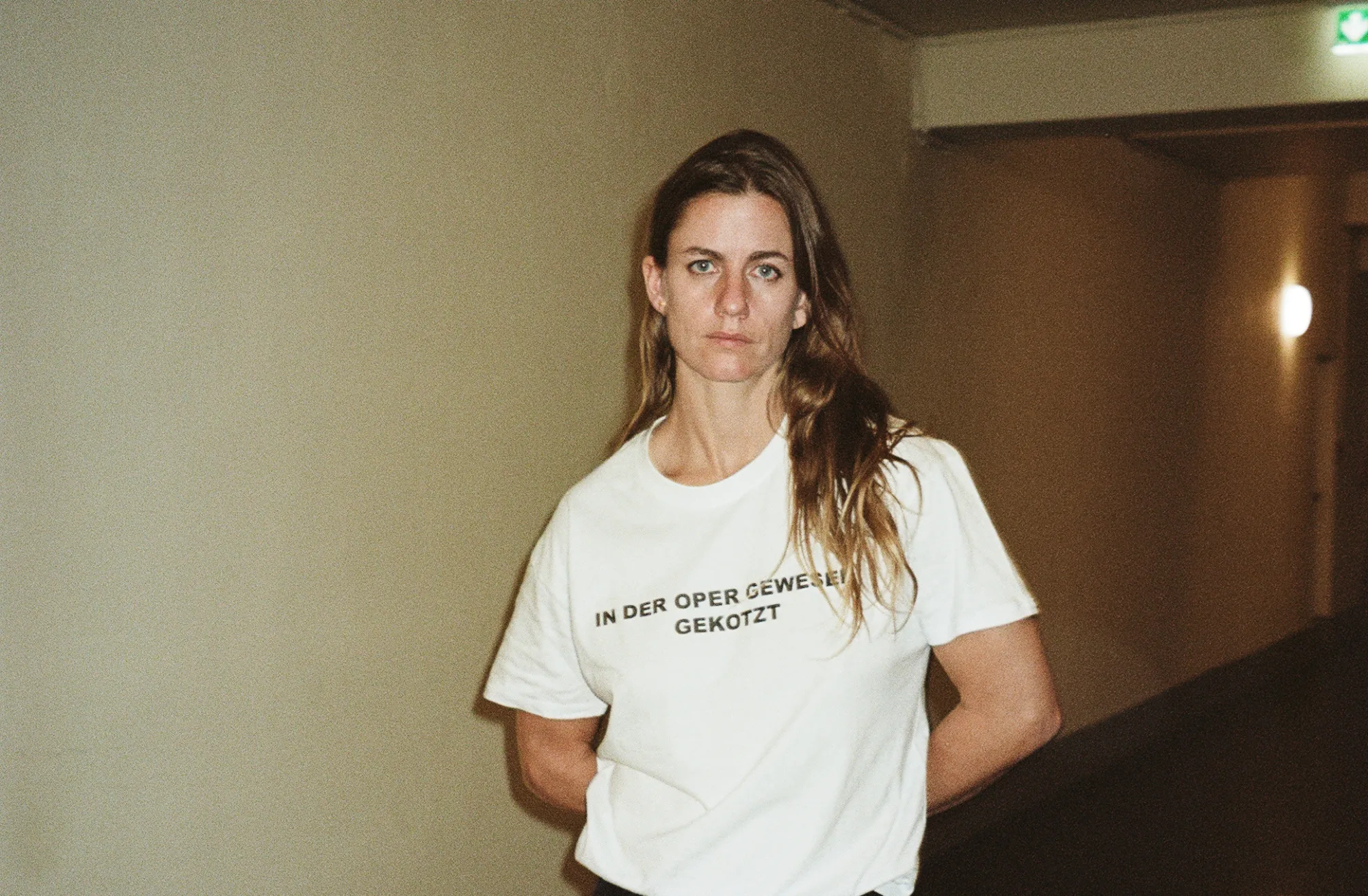
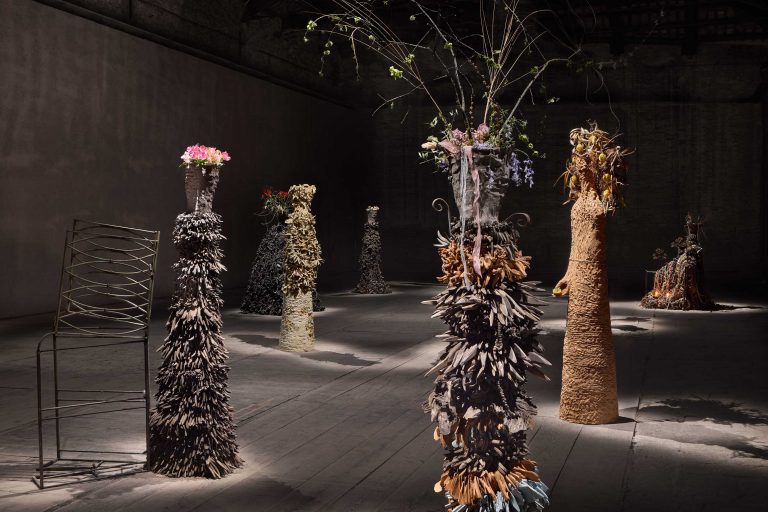
Chiara Camoni, “Con te con tutto” (With You, With Everything)—Italian Pavilion at the 61st Venice Biennale: Chiara Camoni, Cecilia Canziani, and Alessandro Rabottini in Conversation

Chiara Camoni presents "Con te con tutto" (With You, With Everything), the Italian Pavilion at the 61st Venice Biennale. In a conversation with curator Cecilia Canziani and Alessandro Rabottini, Camoni discusses how the project emerged organically from years of friendship, collaboration, and shared thinking, rather than being a staged event.

Venice Biennale Jury Resigns En Masse, Organizers to Award “Visitors’ Lions” in November

The jury for the 2026 Venice Biennale has resigned en masse, announcing the decision via e-flux's Instagram account on April 30 without providing a reason. The five-member jury, including president Solange Oliveira Farks, Zoe Butt, Elvira Dyangani Ose, Marta Kuzma, and Giovanna Zapperi, had previously stated they would not consider national pavilions from countries charged with crimes against humanity by the International Criminal Court, directly affecting Israel and Russia. In response, the Biennale postponed the awards ceremony from May to November 22 and replaced the Golden Lions with two "Visitors' Lions" voted on by the public.

Venice Biennale Diary: An Editor on the Ground

Andrew Durbin reviews national pavilions at the Venice Biennale, contrasting a vacuous US presentation with incisive and moving installations from Britain and Germany. The article is part of Frieze's Critic's Guides series, published on May 6, 2026.

The Austrian Pavilion at the Biennale brings performances and installations around the Venice Lagoon

Il Padiglione Austria in Biennale porta performance e installazioni in giro per la Laguna di Venezia

Austrian artist and choreographer Florentina Holzinger (Vienna, 1986) will represent Austria at the 61st International Art Exhibition of the Venice Biennale with a project titled "SeaWorld Venice." Curated by Nora-Swantje Almes, the interdisciplinary initiative combines a permanent installation at the Austrian Pavilion with a series of site-specific performances and actions spread across Venice and its lagoon. The project explores the body, water, and the tensions between nature and technology, drawing on mythological and classical imagery populated by aquatic creatures. It includes "Études," performative formats developed by Holzinger since 2020, which activate urban spaces through participatory and immersive experiences, engaging both spectators and citizens.

At the 2026 Venice Biennale, Spain transforms its Pavilion into a museum of accumulation with artist Oriol Vilanova

Alla Biennale Arte 2026 la Spagna trasforma il suo Padiglione in museo dell’accumulo con l’artista Oriol Vilanova

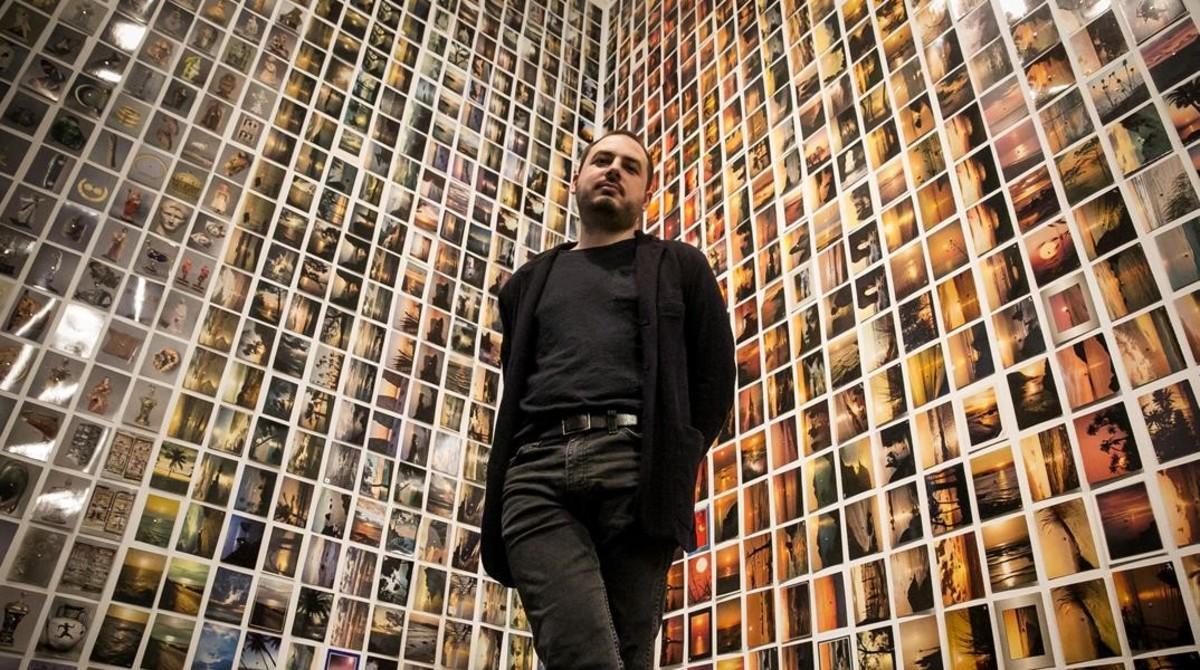
Spain has announced its participation in the 61st Venice Biennale Arte 2026, selecting Catalan artist Oriol Vilanova to represent the country in its newly renovated national pavilion. The project, titled "Los restos," transforms the pavilion into a pseudo-museum of accumulation, featuring Vilanova's vast personal archive of postcards collected over twenty years from flea markets and secondhand circuits. The installation presents these ephemeral fragments as an infinite, non-narrative mural, exploring themes of accumulation and loss. Curated by Carles Guerra, the project also includes a performative intervention titled "Il fantasma della libertà" (2026), which will unfold across the Giardini and Arsenale during the Biennale.

Jury of the Venice Biennale Resigns

Jury der Venedig-Biennale tritt zurück

The entire jury of the Venice Biennale, appointed by artistic director Koyo Kouoh, has resigned with immediate effect. In a statement released on Thursday, the jury members—including chair Solange Oliveira Farkas, Zoe Butt, Elvira Dyangani Ose, Marta Kuzma, and Giovanna Zapperi—cited a prior declaration from April 22 in which they announced they would not award Golden or Silver Lions to artists from countries whose political leadership is currently indicted by the International Criminal Court (ICC) for crimes against humanity. Although no specific countries were named, the move implicitly targets Russia (President Vladimir Putin) and Israel (Prime Minister Benjamin Netanyahu), both subject to ICC arrest warrants. The resignation comes amid escalating tensions over Russia's participation in the Biennale despite EU sanctions, which had already led to a freeze of EU funding and widespread protests.

Venice Biennale jury resigns after demanding, in vain, that Israel and Russia be excluded

The jury of the Venice Biennale has resigned after their demand to exclude Israel and Russia from the event was rejected. The jurors had called for the removal of both countries' national pavilions due to ongoing geopolitical conflicts, but the Biennale organizers declined to comply, leading to the mass resignation.

Resignation of the Venice Biennale Jury

Démission du jury de la Biennale de Venise

The entire jury of the Venice Biennale has resigned. The mass resignation follows internal disputes over the selection process for the next edition's artistic director, with jurors citing a lack of transparency and interference from the Biennale's board.

Golden Lions of the Biennale voted by the public? 7 reasons why they cannot work

Leoni d’Oro della Biennale votati dal pubblico? 7 motivi per cui non possono funzionare

On April 30, 2026, the International Jury of the Venice Art Biennale resigned en masse. In response, the Biennale Foundation hastily announced a new initiative called the "Visitor Lions" (Leoni dei Visitatori), where paying visitors would vote to award the Golden Lions for best artist and best national participation. The voting system would rely on ticket tracking to verify attendance at the main venues, the Giardini and the Arsenale. However, just a week before the public opening, no further details had been released, raising numerous practical concerns about the mechanism's feasibility.

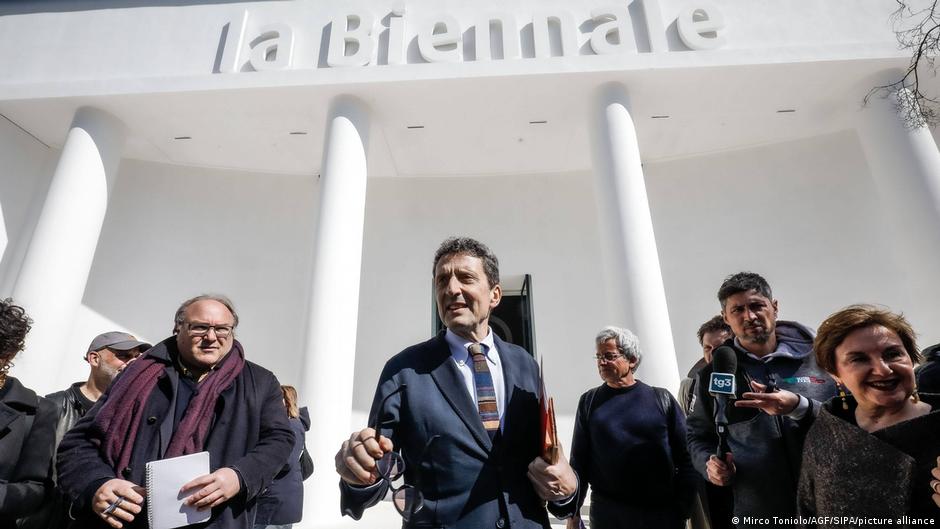
Venice Biennale: Is art ever separate from politics?

The article, published by DW, examines the ongoing debate about the relationship between art and politics, using the Venice Biennale as a case study. It highlights how the 2024 edition of the Biennale has become a platform for political statements, particularly regarding Russia's exclusion from the event following its invasion of Ukraine, and the broader question of whether cultural institutions can remain neutral in times of geopolitical conflict.