filter_list Showing 7 results for "vision 2030" close Clear
dashboard All 7 article news 2museum exhibitions 2article policy 1person people 1trending_up market 1
date_range Range Today This Week This Month All
Subscribe

Riyadh’s New Black Gold Museum Attempts to Convey ‘The Legacy of Oil Through Art’

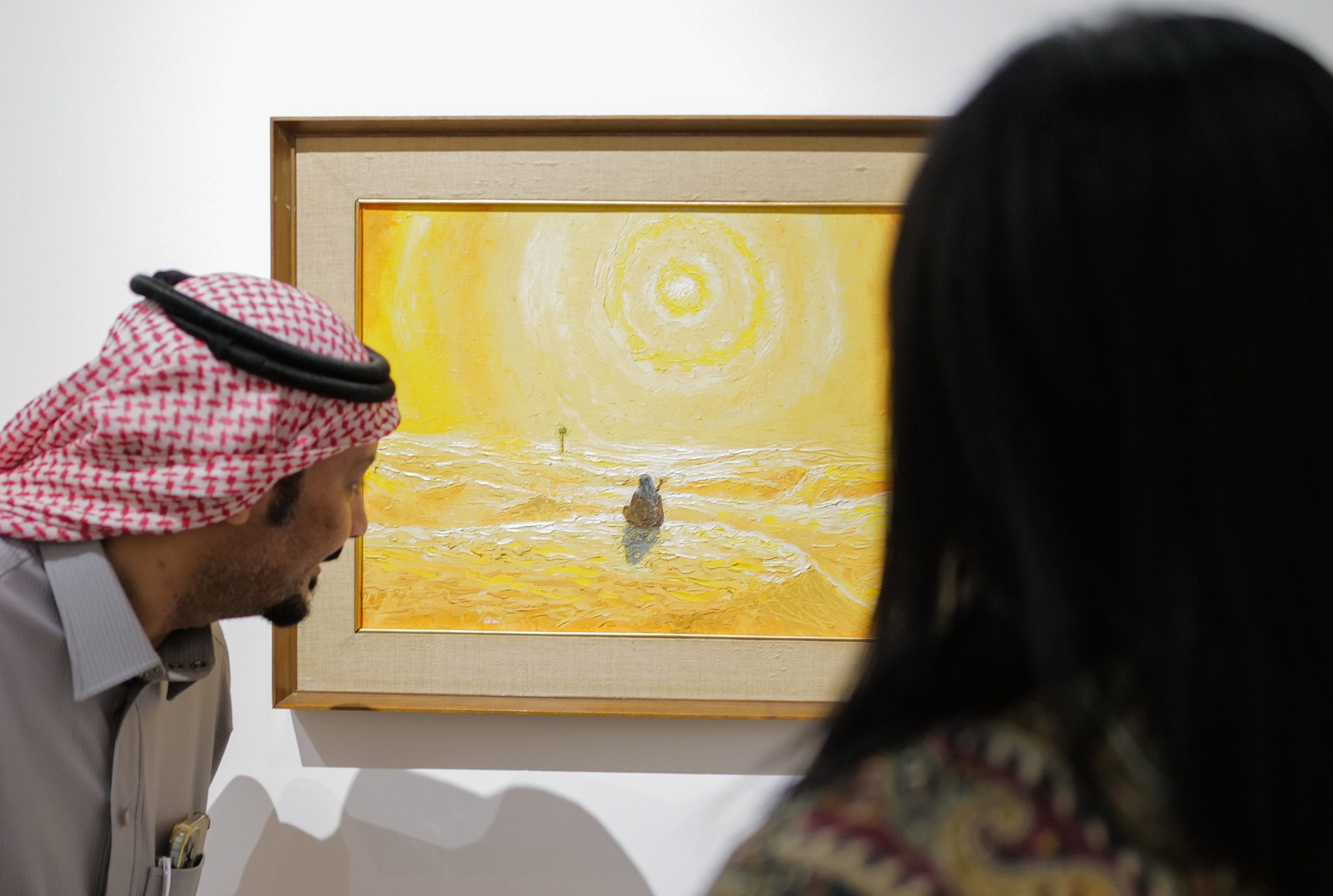
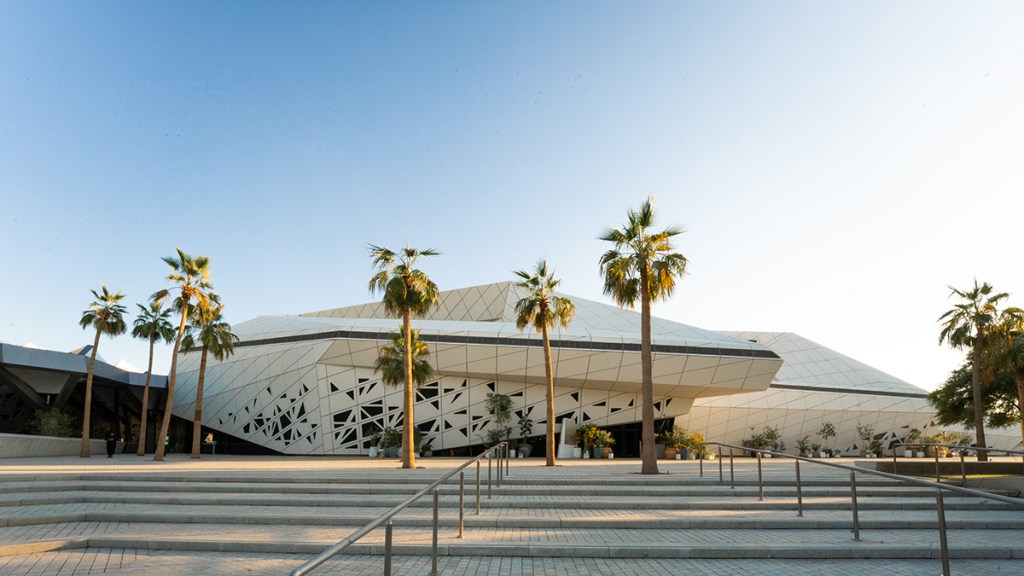
The Black Gold Museum has officially opened in Riyadh, Saudi Arabia, as a flagship project of the nation’s Vision 2030 initiative. Housed in a Zaha Hadid-designed complex and directed by Jack Persekian, the institution features over 350 artworks by 170 international and local artists, including Manal AlDowayan and Doug Aitken. The museum explores the history and cultural impact of oil through four thematic sections—Encounter, Dreams, Doubts, and Visions—blending historical narrative with contemporary artistic reflection.
Choreography Instead of Cartography

Choreografie statt Kartografie

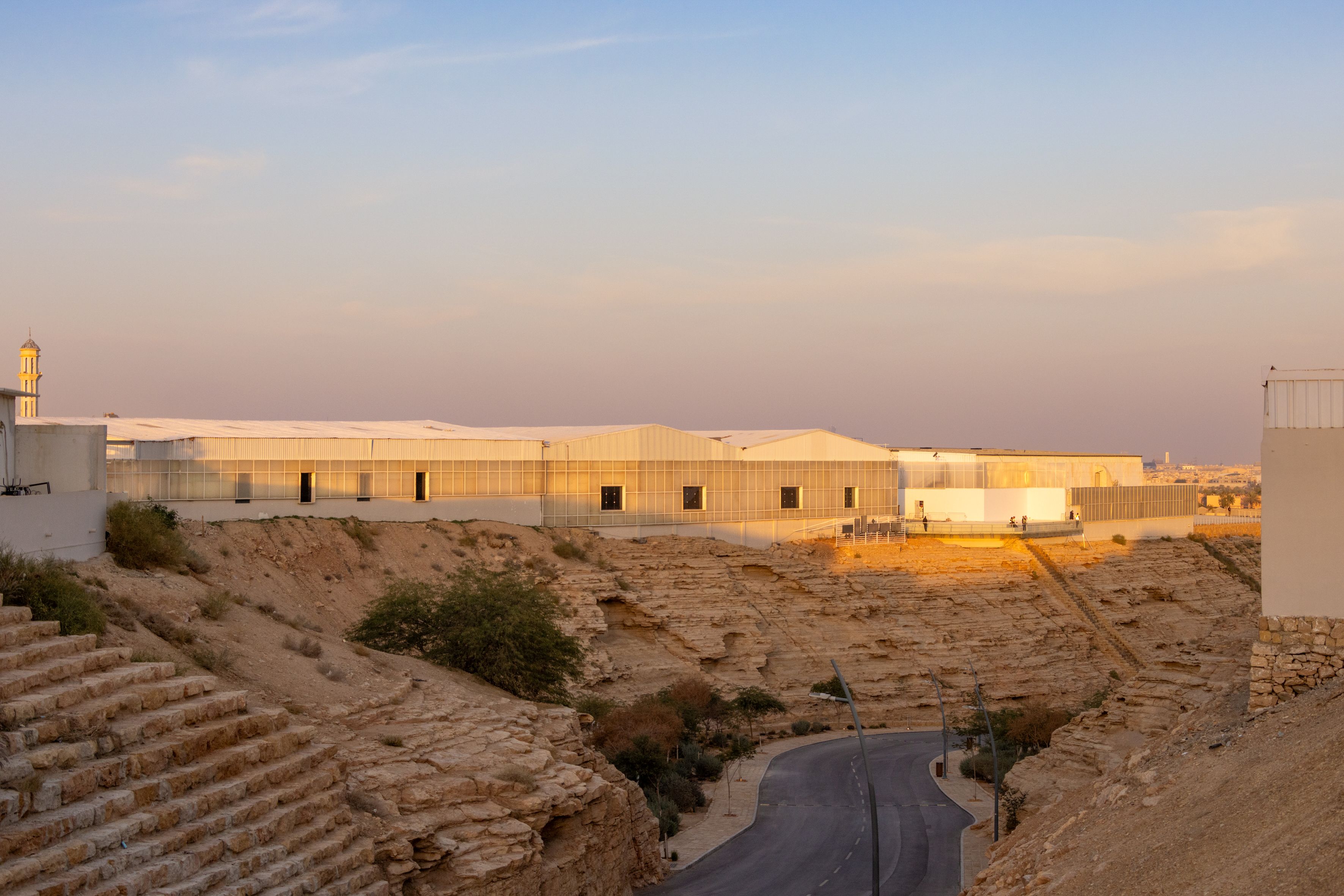
The third edition of the Diriyah Contemporary Art Biennale, titled "In Interludes and Transitions," has opened in the JAX District of Diriyah, Saudi Arabia. Featuring works by approximately 70 artists across five converted warehouses, the exhibition is curated by Nora Razian and Sabih Ahmed with a scenography designed by Formafantasma. Despite regional geopolitical tensions, the event showcases major installations by international artists such as Petrit Halilaj and Thao Nguyen Phan, emphasizing a "choreographic" rather than cartographic approach to global art.

From oil to canvas: Saudi Arabia’s emerging art economy

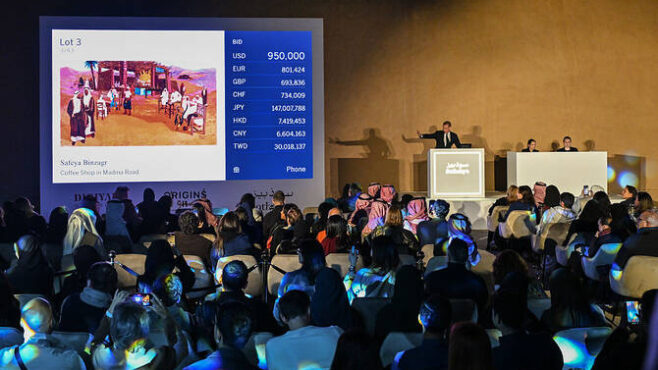
Saudi Arabia's art market reached a significant milestone with Sotheby’s second "Origins" auction in Riyadh, headlined by the $2.1 million sale of Safeya Binzagr’s painting "Coffee Shop in Madina Road." This record-breaking event, which nearly doubled its high estimate, underscores the rapid growth of the Kingdom’s art economy under the Vision 2030 plan. The auction saw a mix of local and international buyers, signaling that Saudi artists are increasingly being integrated into the global contemporary art dialogue.

Sarah Alruwayti on Riyadh's Shift from Vision to Execution

sarah alruwayti on riyadhs shift from vision to execution interview 2747182

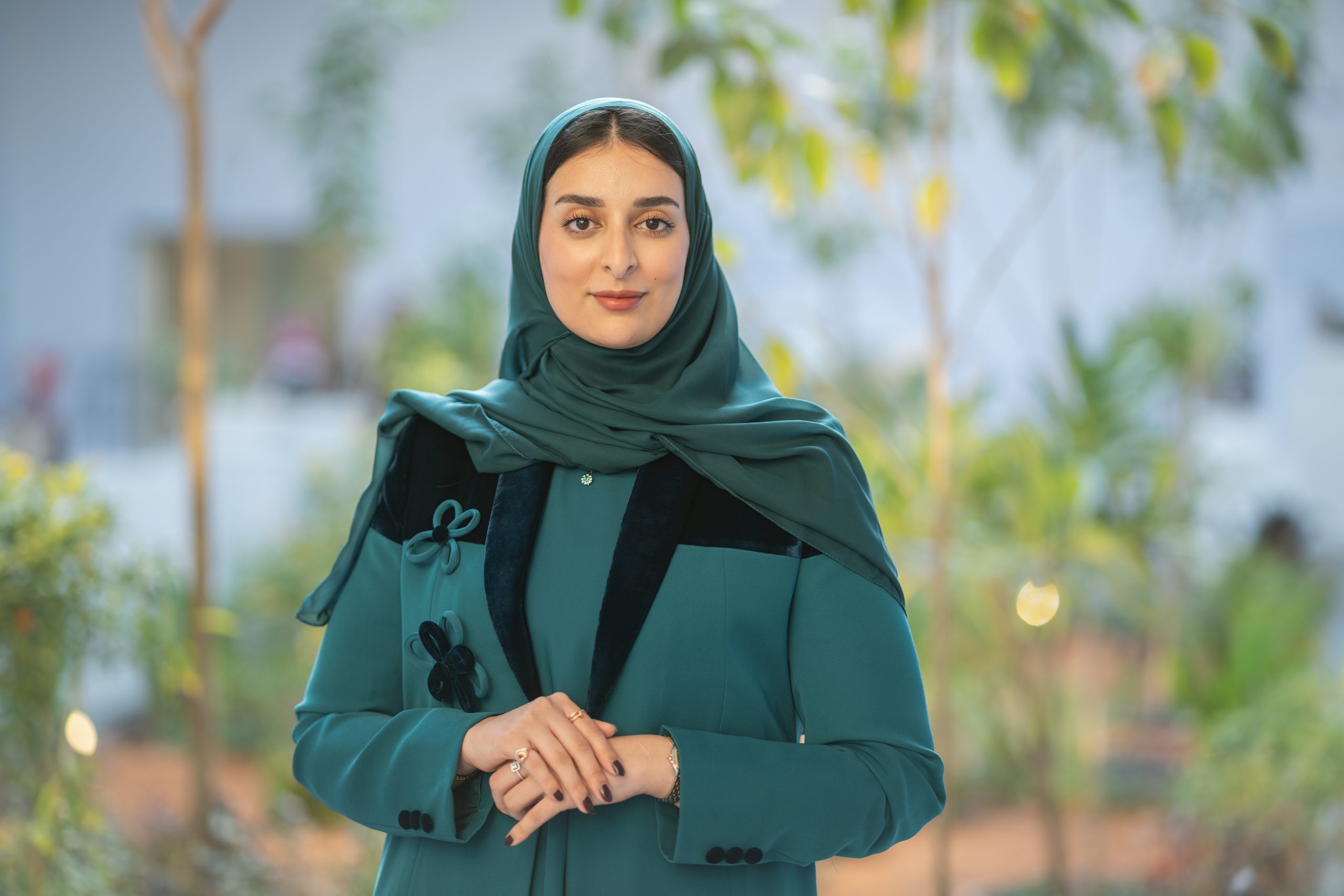
Sarah Alruwayti, director of the Tuwaiq Sculpture Symposium, discusses the evolution of Riyadh Art’s public art initiatives under Saudi Arabia’s Vision 2030. The symposium has grown from a local project into a global open-call forum, commissioning over 120 international sculptors to create permanent works using local materials like Saudi granite and reclaimed metal. The latest edition, themed "Traces of What Will Be," focuses on urban transformation and the historical context of Riyadh’s changing landscape.

saudi arabia scales back 2741687

Saudi Arabia is significantly scaling back its ambitious "Vision 2030" cultural and infrastructure spending due to falling oil prices and massive budget overruns. Major international projects, including a $200 million investment deal with the Metropolitan Opera in New York and funding for the Centre Pompidou’s refurbishment, are currently in limbo or facing payment delays. Reports of unpaid invoices to art service firms and the halting of "gigaprojects" like Neom suggest a period of financial retrenchment for the kingdom.

saudi arabia commission mural domingo zapata 1234773760

Saudi Arabia has commissioned New York-based artist Domingo Zapata to create what is being billed as the world's largest mural, spanning 540,000 square feet. The project, part of the $63 billion Diriyah cultural zone development in Riyadh, is backed by Crown Prince Mohammed bin Salman Al Saud and will involve a team of about 100 artists working over four to six years, with Zapata describing it as having "a blank check" for creative freedom.

domingo zapata worlds largest mural saudi arabia 2746229

Spanish artist Domingo Zapata has been commissioned by Saudi Arabia to create the world's largest mural, a 540,000-square-foot work the size of nine football fields. The project, part of the $63 billion Diriyah cultural zone in Riyadh, will take five to six years to complete and involves a team of about 100 artists, engineers, and architects. Zapata describes it as a "Middle Eastern version of the Sistine Chapel."