
filter_list Showing 3 results for "w.e.b. du bois" close Clear
search
dashboard All 3 museum exhibitions 3
date_range Range Today This Week This Month All
Subscribe

10 Shows Around Venice Not to Miss During the Biennale

ARTnews has published a guide to 10 exhibitions in Venice worth seeing during the 2026 Biennale, beyond the central show "In Minor Keys" curated by the late Koyo Kouoh and the national pavilions. Highlights include a major survey of Lee Ufan at the San Marco Art Centre (SMAC Venice), organized by the Dia Art Foundation and curated by Jessica Morgan; "Helter Skelter: Arthur Jafa and Richard Prince" at Fondazione Prada, curated by Nancy Spector; and "Strange Rules" at Palazzo Diedo, conceived by Hans Ulrich Obrist with Mat Dryhurst and Holly Herndon, introducing the concept of "Protocol Art." Other venues include the Gallerie dell'Accademia, Pinault Collection, Berggruen Arts & Culture, Fondazione Sandretto Re Rebaudengo, and a three-night-only performance at Teatro Goldoni.
Atlanta gallery turns political tension into art with ‘Politically inCorrect’ exhibition

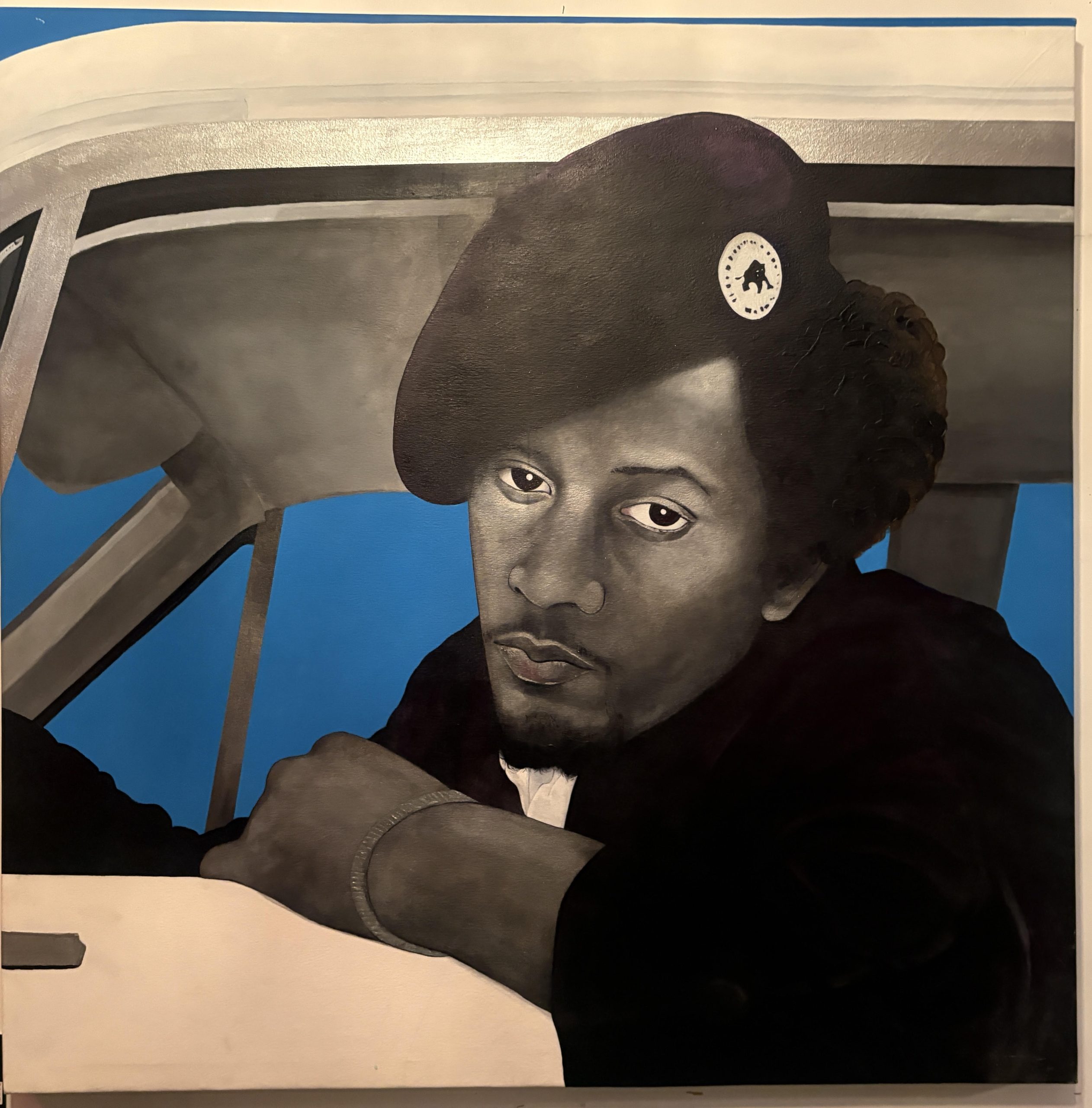
EuGene V Byrd III has curated the 'Politically inCorrect' group fine art exhibition, now open at Railroad ATL inside the Future Gallery in Atlanta. Featuring over 50 artists and 110 to 120 works across painting, photography, sculpture, and collage, the show addresses what Byrd calls an overdue conversation about art and social responsibility. Inspired by W.E.B. Du Bois, the open-call exhibition asks artists to speak their truth on political and social issues, with pieces like Faif Quin's photograph referencing the killing of Charlie Kirk and Naylon D. Mitchell's portrait 'Mama Rosa' among the highlights. The exhibition runs through May 30.

Exhibit reimagines the work of W.E.B. Du Bois

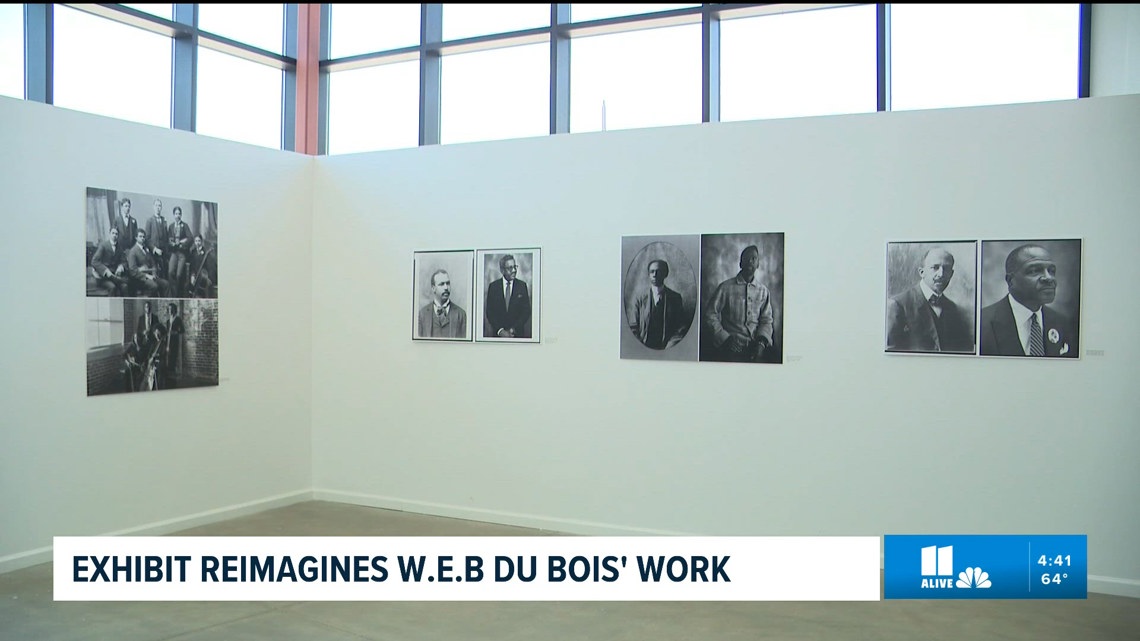
An exhibit at the African Diaspora Art Museum pairs the original sociological work of W.E.B. Du Bois with contemporary photographs of Black Atlantans, reimagining his early 20th-century data visualizations and writings through a modern lens. The show juxtaposes Du Bois's pioneering studies on Black life in America with current imagery, creating a dialogue between past and present.