
filter_list Showing 3 results for "white supremacy" close Clear
dashboard All 3 museum exhibitions 2rate_review review 1
date_range Range Today This Week This Month All
Subscribe

This Liminal Moment

The article reviews the exhibition "MONUMENTS" at the Geffen Contemporary at MOCA and the Brick in Los Angeles, which addresses the legacy of Confederate monuments through contemporary art. It highlights Cauleen Smith's installation "The Warden" (2025), which features a live-feed of the decommissioned Confederate sculpture "Vindicatrix" (also known as "Miss Confederacy") by Edward V. Valentine, originally atop the Jefferson Davis Memorial in Richmond, Virginia. The exhibition is curated by Hamza Walker, Kara Walker, and Bennett Simpson.

First Comprehensive Museum Retrospective For Detroit Artist And ‘Bead Man’ Olayami Dabls

The Museum of Contemporary Art Detroit (MOCAD) will present "Olayami Dabls: Detroit Cosmologies," the first comprehensive museum retrospective for Detroit artist Olayami Dabls, running from April 25 to July 12, 2026. Dabls, who began his career as a curator at the Afro-American Museum in Detroit (now the Charles H. Wright Museum of African American History), traces his artistic journey to a transformative moment in the 1970s when he opened a box of African masks that his colleagues feared to handle. This experience led him to investigate how Hollywood and popular culture had demonized African material culture, associating it with horror movies and voodoo, and inspired decades of work as an artist, storyteller, cultural historian, and civic champion.

Recommissioned Rebels

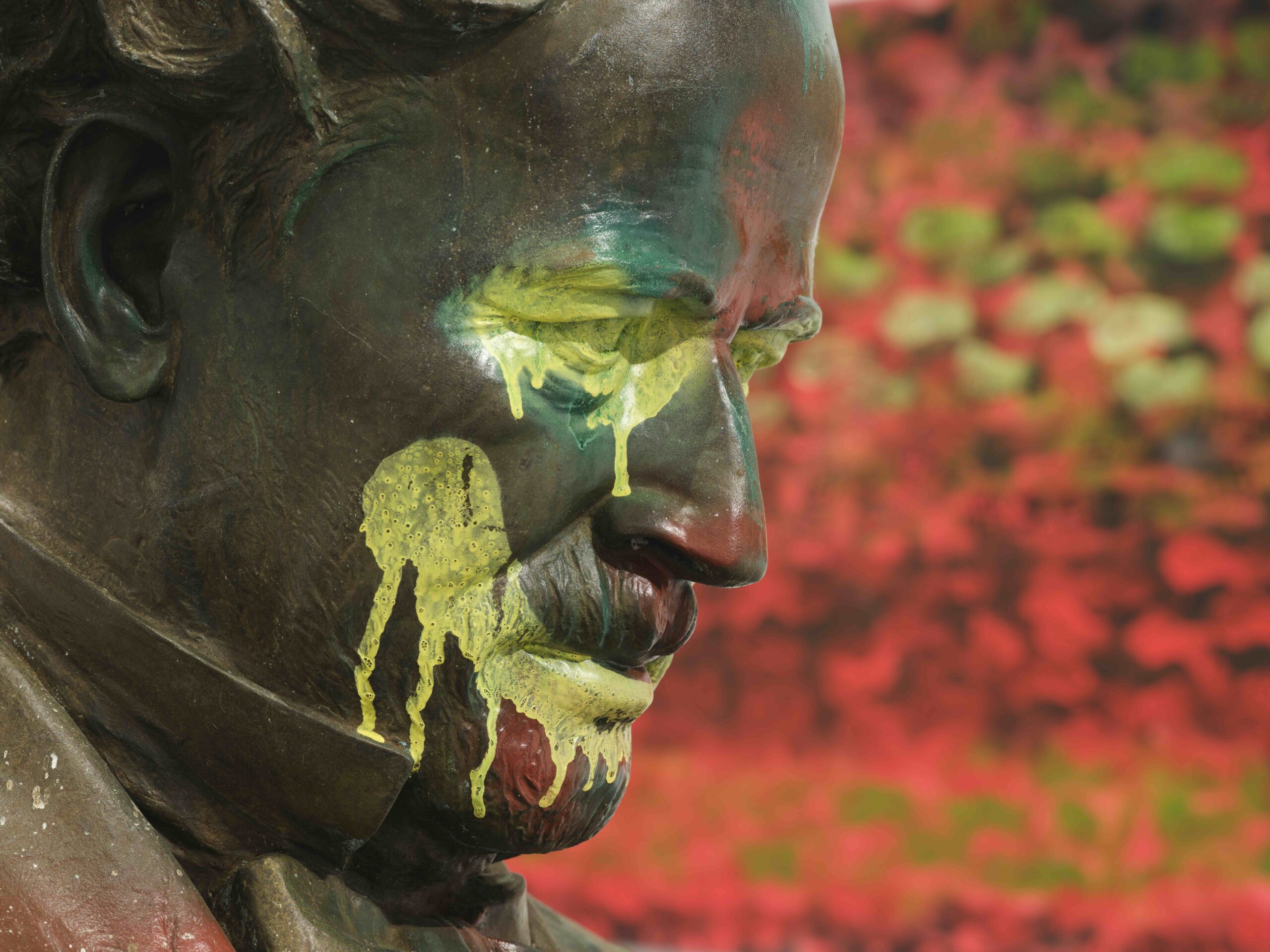
The exhibition "Monuments," co-organized by The Brick and the Museum of Contemporary Art, Los Angeles (MOCA), features ten former Confederate monuments removed from public spaces across the American South. Highlights include Kara Walker's reconfigured "Unmanned Drone" (formerly Charlottesville's Stonewall Jackson monument), Richmond's toppled Jefferson Davis statue, and a graffitied Matthew Fontaine Maury statue. Co-curator Hamza Walker explains the show began after the 2015 Charleston church shooting and gained urgency following George Floyd's murder in 2020, involving complex negotiations with city governments and stewards to secure the politically charged pieces.