
filter_list Showing 3 results for "world war ii resistance" close Clear
search
dashboard All 3 trending_up market 2museum exhibitions 1
date_range Range Today This Week This Month All
Subscribe

sothebys to sell rene magritte work bought by family of nazi executed wwii resistance fighter

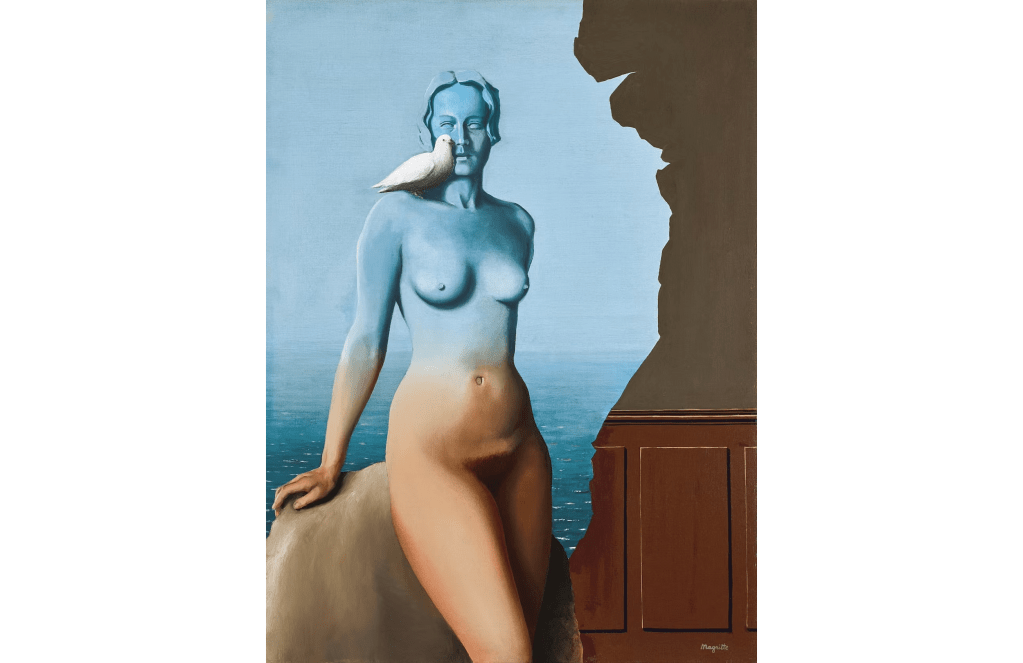
A René Magritte painting, *La Magie Noire* (1934), will be auctioned at Sotheby’s Paris on October 24 with a high estimate of €7 million ($8.1 million). The work has remained in the same private collection for nearly a century, having been acquired directly from the artist by the family of World War II resistance heroine Suzanne Spaak, who was executed by the Gestapo in 1944 for helping Jewish children escape Nazi persecution. The painting depicts Magritte’s wife, Georgette Berger, and is the first of ten portraits in which the female body merges with sky, stone, and spirit.

sothebys records highest ever totals in france for surrealist and modern sales during art basel paris week

Sotheby's Paris achieved record-breaking totals for surrealist and modern art auctions during Art Basel Paris week, with combined sales of €89.7 million ($104 million) across its Surrealism and Its Legacy and Modernités sales—a 50 percent increase over the same event last year. The top lot was Amedeo Modigliani's *Elvire en buste* (1918-1919), which sold for €27 million ($31.3 million), the highest auction price for a painting by the Italian artist in France and the most valuable work ever sold by Sotheby's Paris. Other highlights included Modigliani's *Raymond* (1915) at €10.6 million, René Magritte's *La Magie Noire* (1934) at €10.7 million, and a complete set of Pablo Picasso's *Séries 347* etchings, which set a French auction record for any print by the artist.

The tale of a French psychiatric asylum that harboured Second World War resistance fighters—and where patients became artists

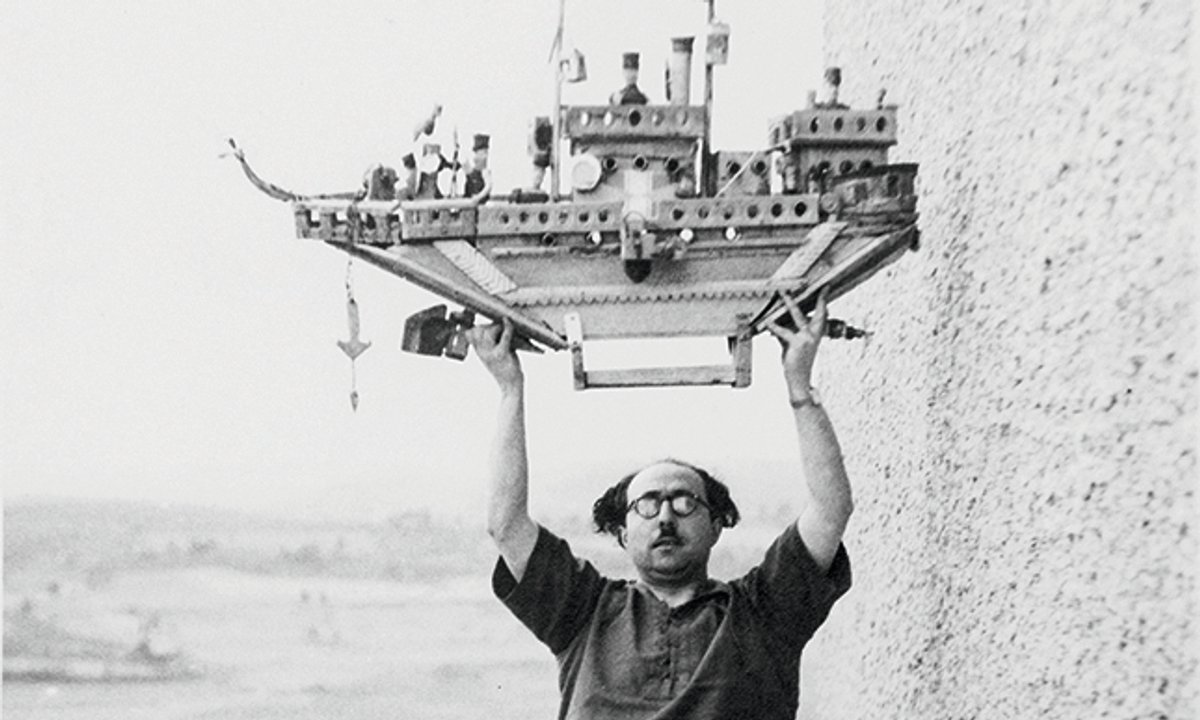
An exhibition catalogue from the American Folk Art Museum's 2024 show traces the story of Saint-Alban-sur-Limagnole, a French psychiatric asylum that sheltered Spanish Republican refugees and resistance fighters during World War II. Under Catalan psychiatrist Francesc Tosquelles, patients were encouraged to create art from found objects, producing works that later influenced Jean Dubuffet's concept of Art Brut. The asylum became a haven where hierarchies between doctors and patients were leveled, and patients bartered their creations for food during wartime austerity.