arrow_back Back to all stories

person John Yau

newspaper Hyperallergic article 17 articles

Sanford Wurmfeld’s Unstable Geometry

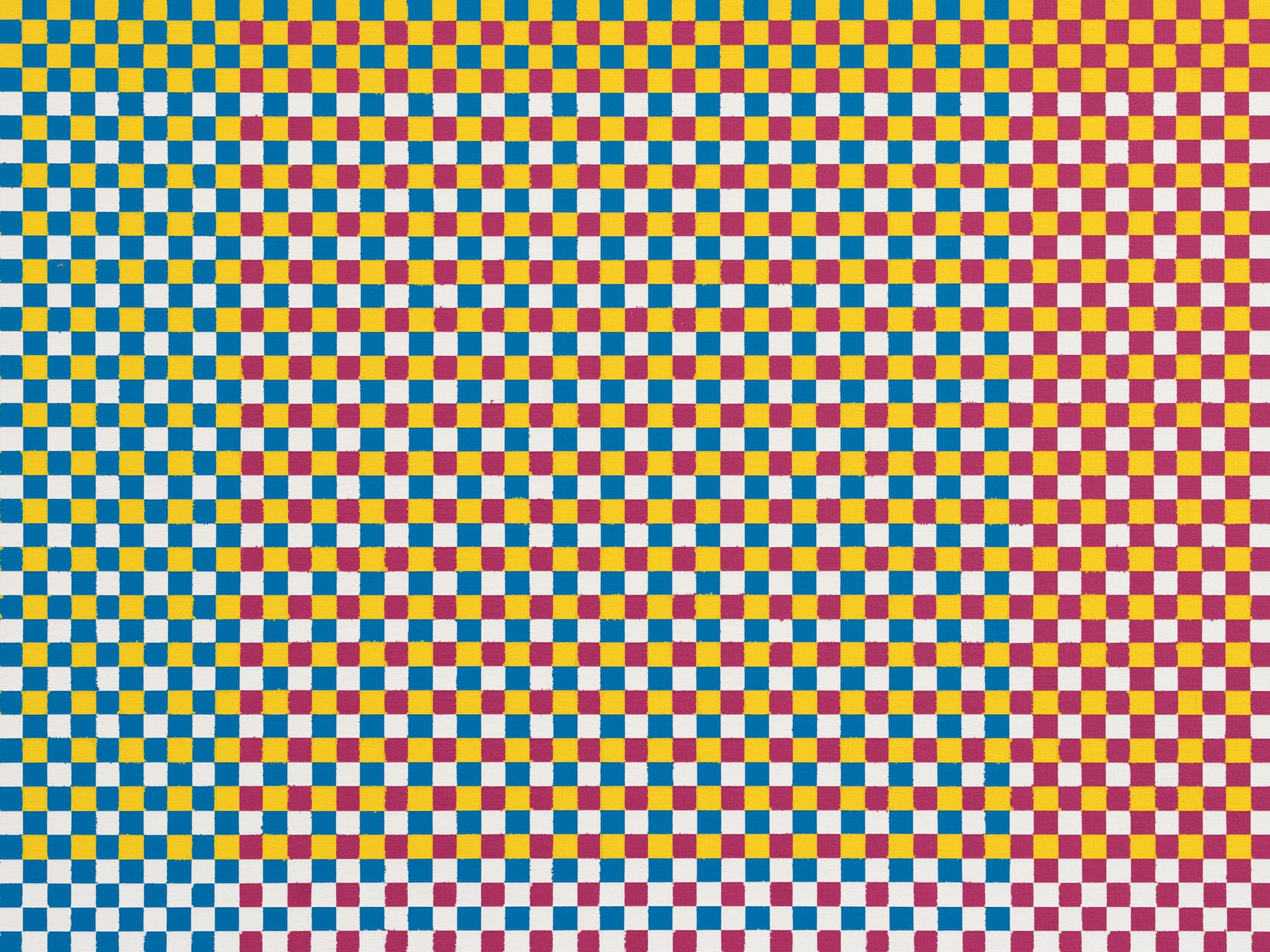
Hyperallergic reviews Sanford Wurmfeld's exhibition "Squares 1971–74" at Ceysson & Bénétière in New York, featuring six paintings and one study from 1971 to 1974. The show highlights Wurmfeld's methodical exploration of color through gridded compositions of one-inch squares, using a limited palette of four hues to create optical interactions that shift as the viewer looks. Wurmfeld, who was the youngest artist in MoMA's 1968 "Art of the Real" exhibition, has long operated under the radar of the New York art world.
Celia Paul Transcends Her Own Mythology

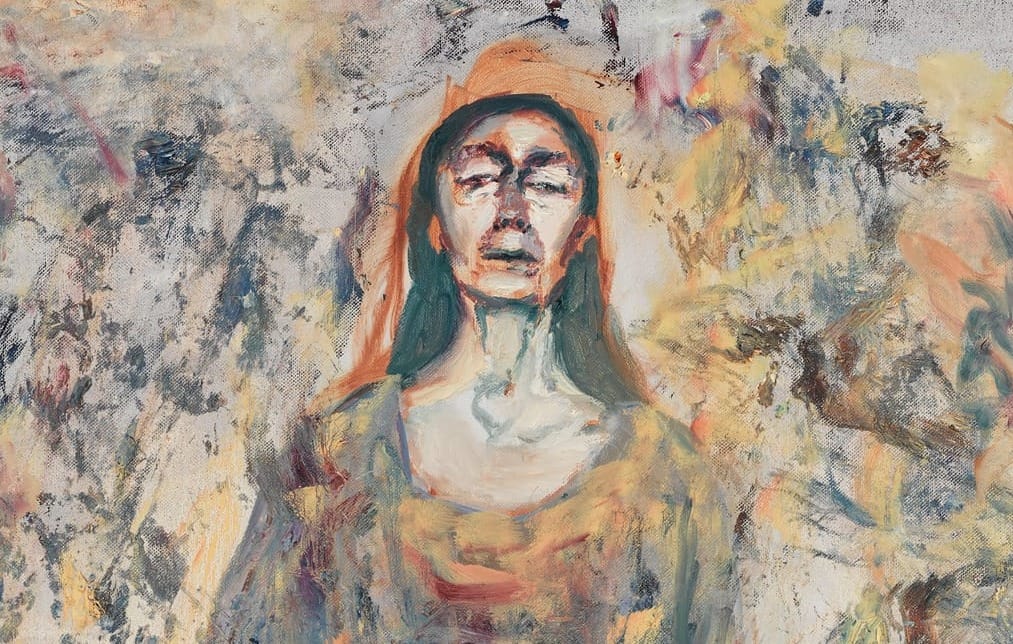
Celia Paul's exhibition "Innervisions" at Gladstone Gallery showcases her latest paintings, including works like "Cruciform Muse" (2025) and "Burning Painter" (2025). The show features her characteristic autobiographical approach, depicting family members, self-portraits, and ocean scenes, while also exploring themes of vulnerability and power through nude figures inspired by Gwen John. The exhibition builds on Paul's established reputation as a painter and memoirist, following her book "Letters to Gwen John" (2022) and a documentary by Jake Auerbach.

Nicola Florimbi’s Paintings Are Unsettling and Necessary

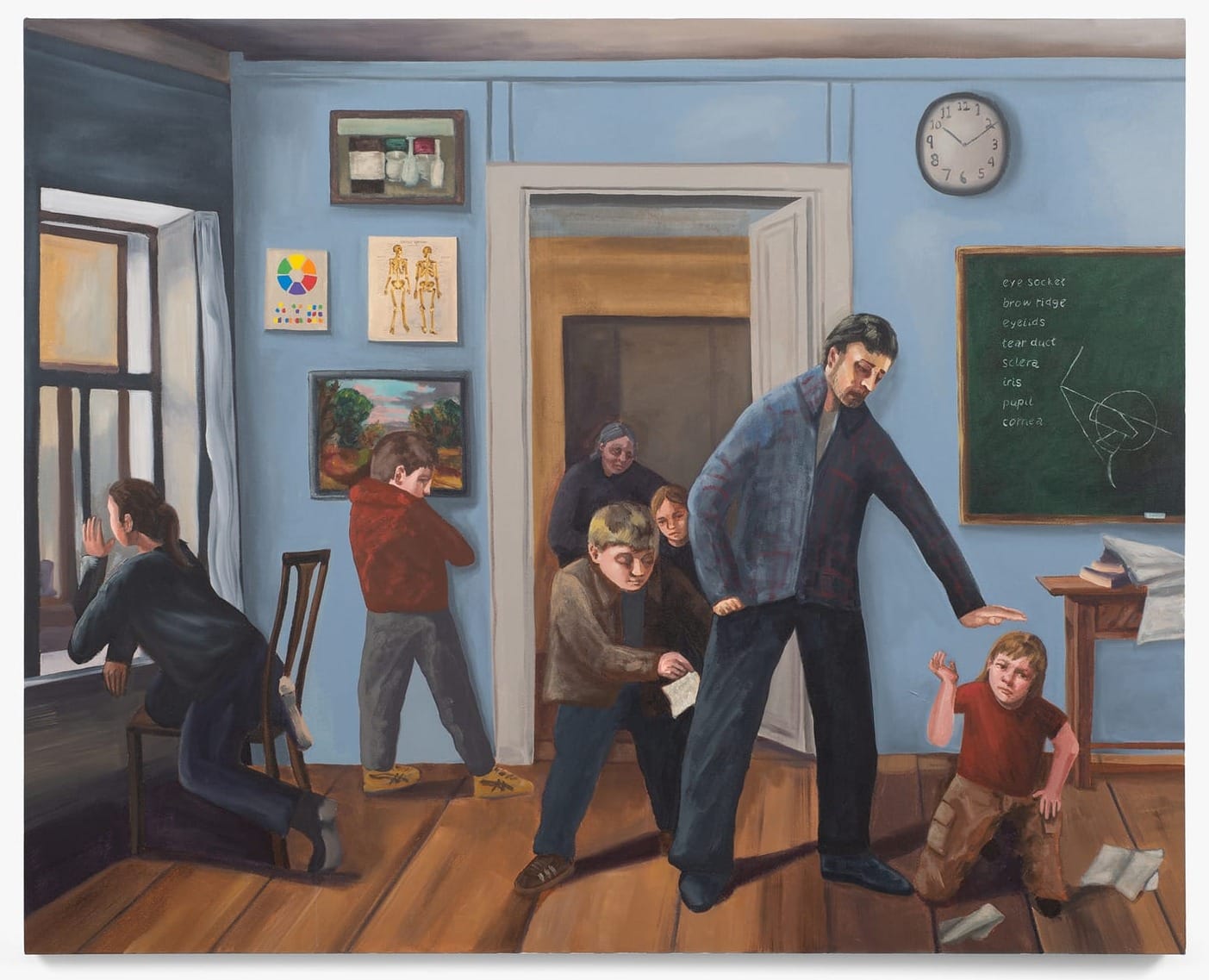
Hyperallergic reviews Nicola Florimbi's debut exhibition "Rooms" at Corbett vs. Dempsey in Chicago, featuring 10 acrylic paintings that depict individuals in ambiguous, theatrical interiors. The works reference Old Masters like Velázquez, Balthus, and Hopper, creating complex visual narratives that resist easy interpretation. Florimbi's figures—children and adults—interact in unsettling, stage-like settings that blend timelessness with contemporary unease.

David Humphrey Is Allergic to Style

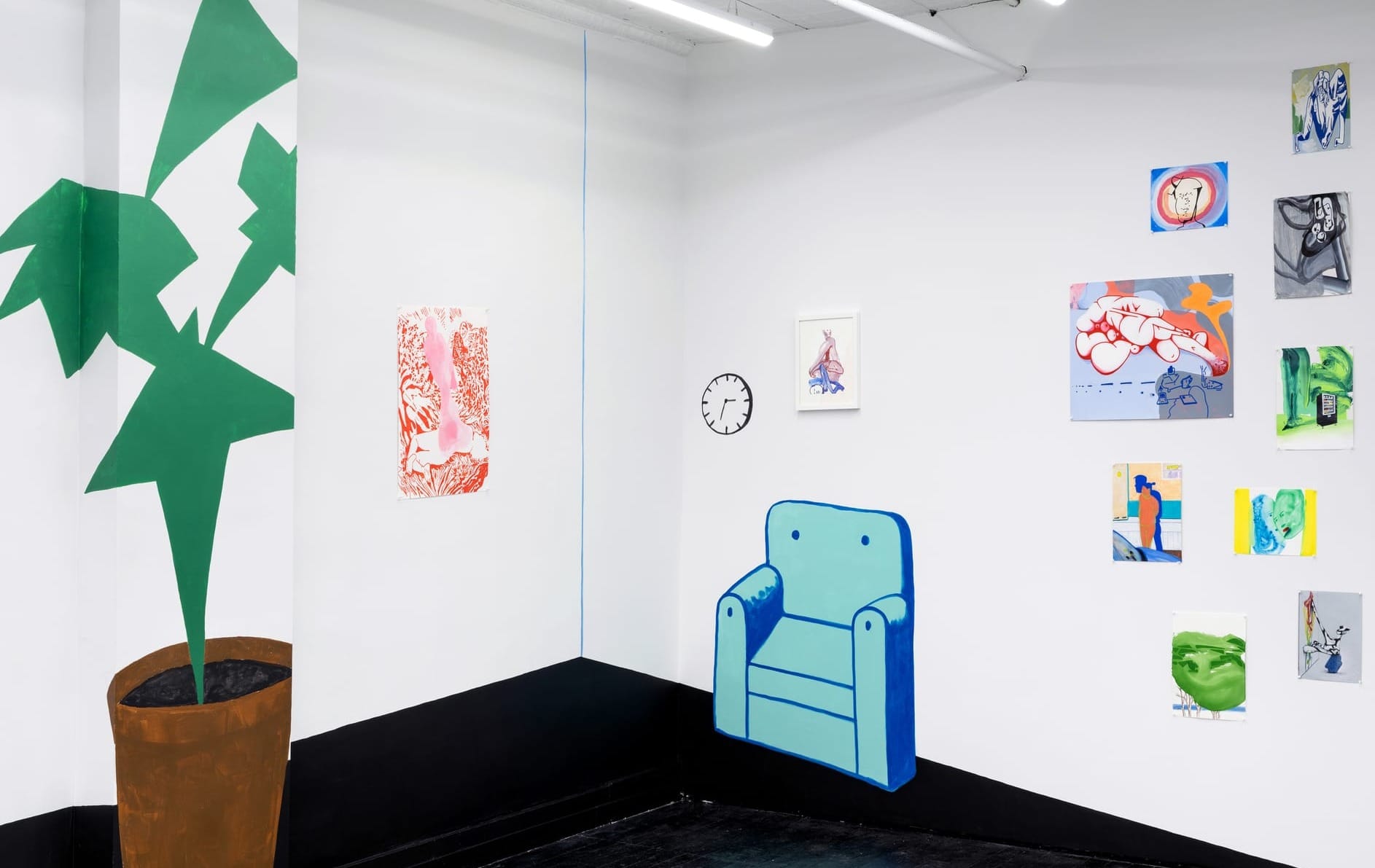
David Humphrey's exhibition "Anecdote" at Kate Werble Gallery transforms the space into a painted domestic interior, with a sofa, plant, and other furniture rendered directly on the walls. The show features works on paper that blend humor, absurdity, and a rejection of signature style, challenging postmodernist conventions through sly subversion rather than overt critique. Humphrey, a painter, sculptor, and critic active since the late 1970s, presents drawings that explore themes of consumerism, fluid identity, and dislocation, often using playful juxtapositions and self-deprecating wit.

The In-Between Worlds of Larissa Borteh

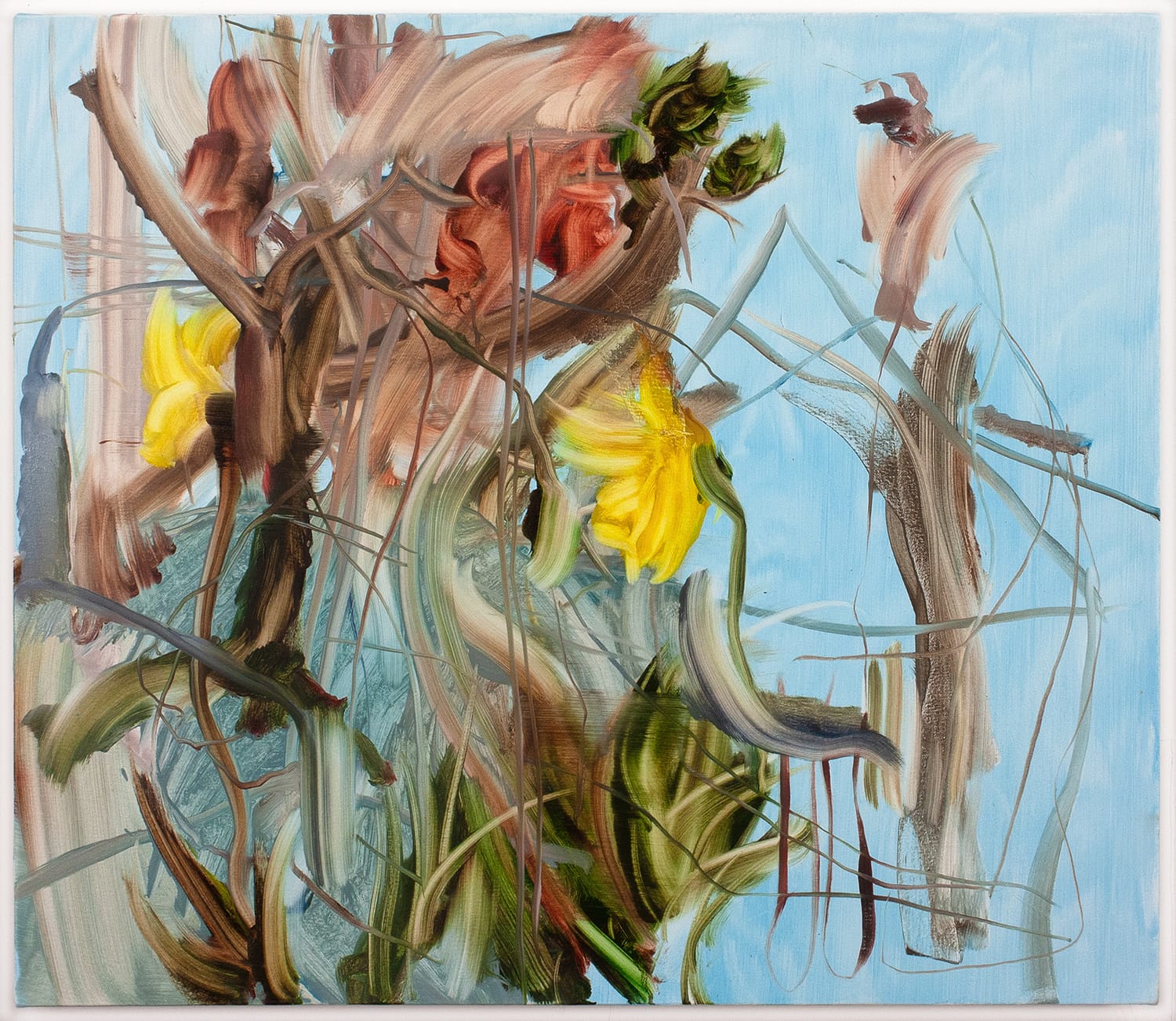
Hyperallergic reviews Larissa Borteh's solo exhibition "In the Wind" at Devening Projects in Chicago, featuring a dozen oil paintings that blur the line between still life and ethereal abstraction. The works, including "Glass House" (2025) and "Tending and Receiving" (2026), use thinned, viscous oil paint to create tactile surfaces that evoke plants in decay, ghosts, deities, or dreamlike visions. The review highlights Borteh's distinctive merging of image and elongated mark, reminiscent of fingerpainting, and her exploration of the spectrum between legibility and opacity.

Mary Frank Creates Her Own Pantheon

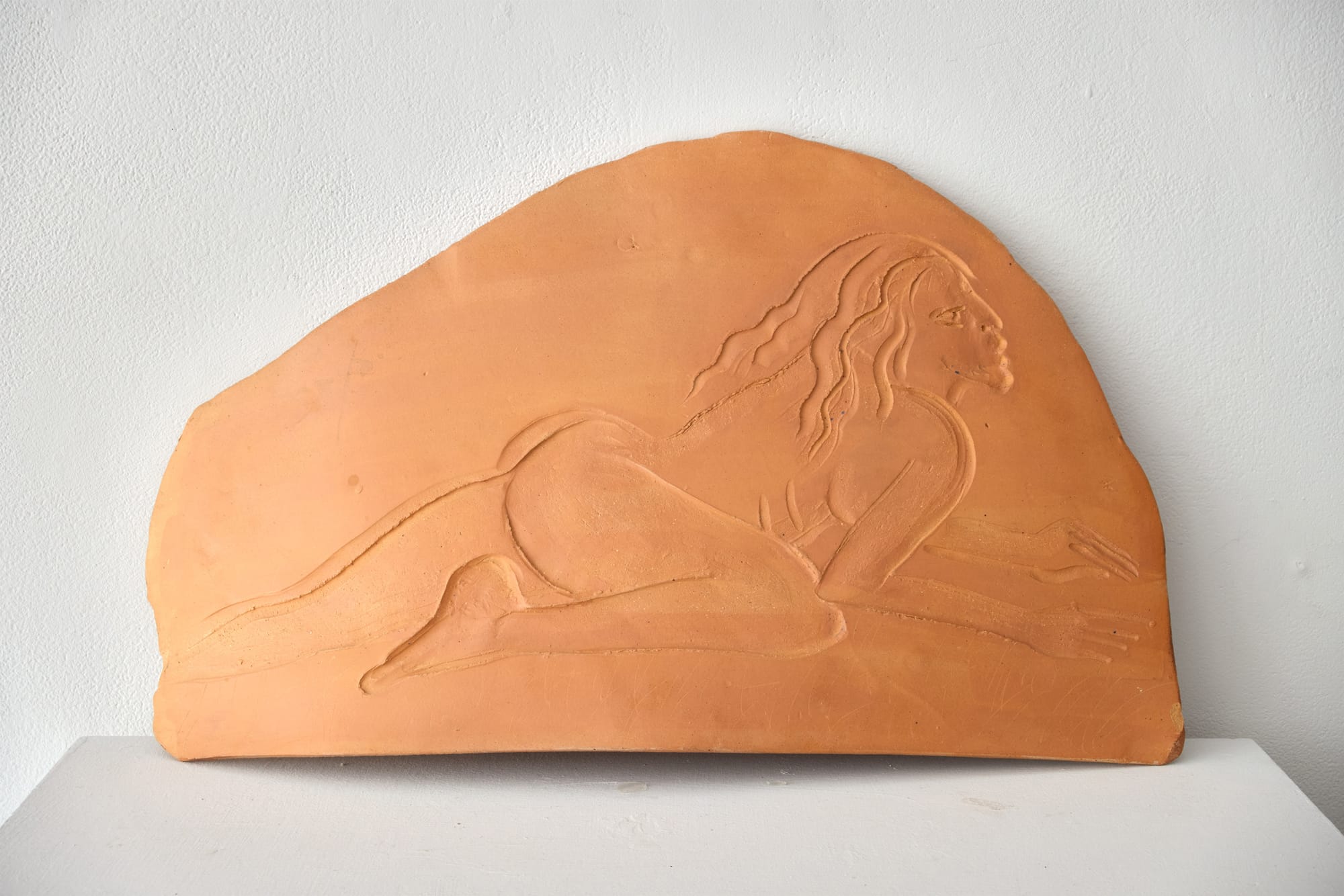
Mary Frank, an artist in her early 90s known for mythologically rooted sculpture and works on paper, is the subject of a focused exhibition at Steven Harvey Fine Art Projects in New York. Curated by Steven Harvey, the show presents 11 sculptures in wood, bronze, and ceramic from 1958 to 1985, alongside five works on paper, including a monotype and an oil-on-paper piece. Frank’s work, influenced by her study with Martha Graham, centers on self-sustaining female figures that embody agency, tenderness, and survival, often rendered in ceramic slabs or carved wood.

Édouard Glissant’s Museum-as-Archipelago

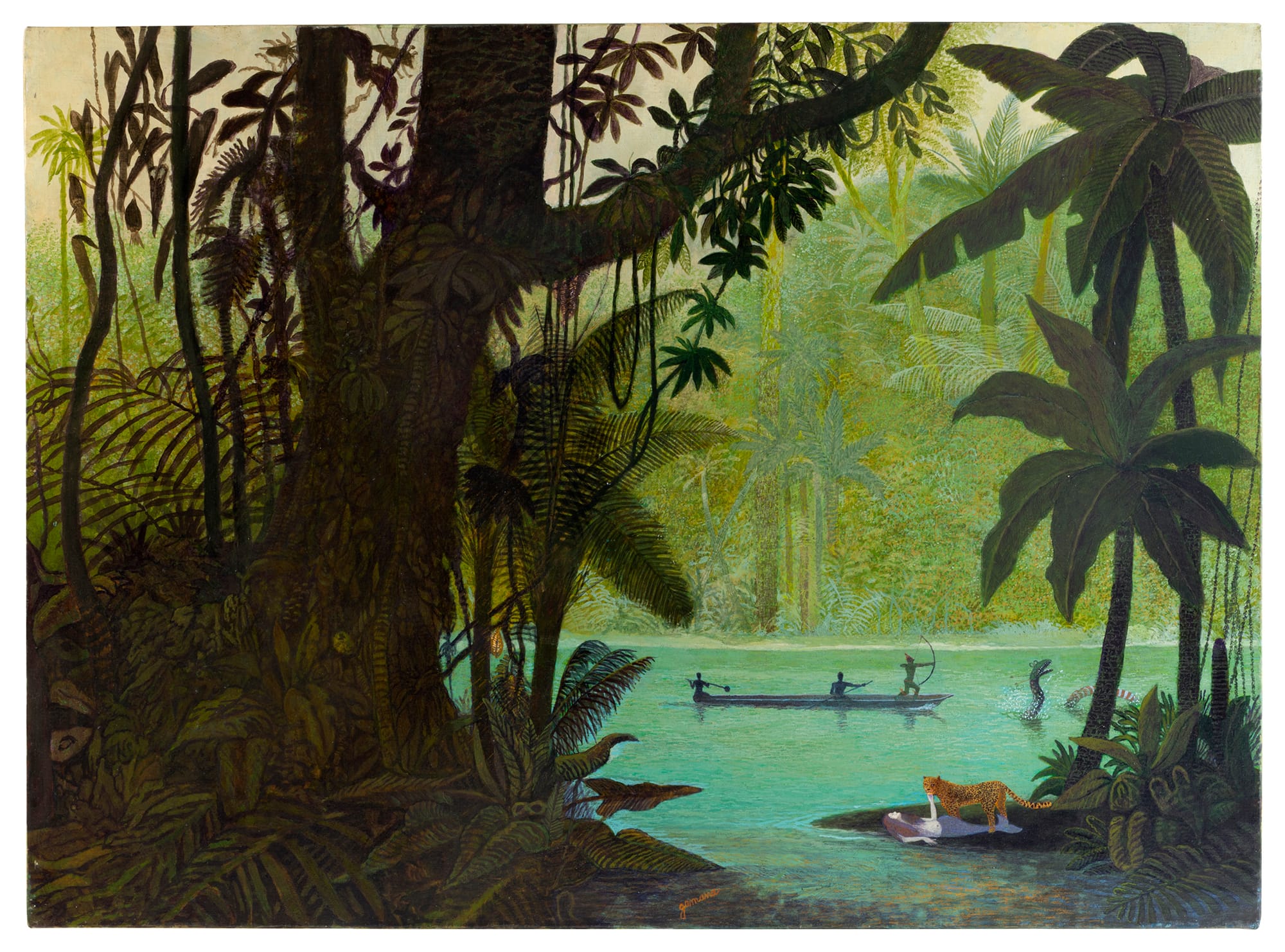
The article reviews the exhibition "The Earth, the Fire, the Water, and the Winds: For a Museum of Errantry with Édouard Glissant" at the Center for Art, Research and Alliances (CARA) in New York, the first U.S. showing of works from the personal collection of Martinician philosopher and writer Édouard Glissant. Curated from his archive, the exhibition features artists such as Roberto Matta, Wifredo Lam, Etel Adnan, Irving Petlin, Antonio Seguí, Öyvind Fahlström, Jack Whitten, and Mel Edwards, reflecting Glissant's friendships and intellectual exchanges across Europe, Africa, and the Americas. Highlights include Antonio Seguí's large pastel works from his Titanic series.

Mark Milroy Sees, Remembers, and Imagines at Once

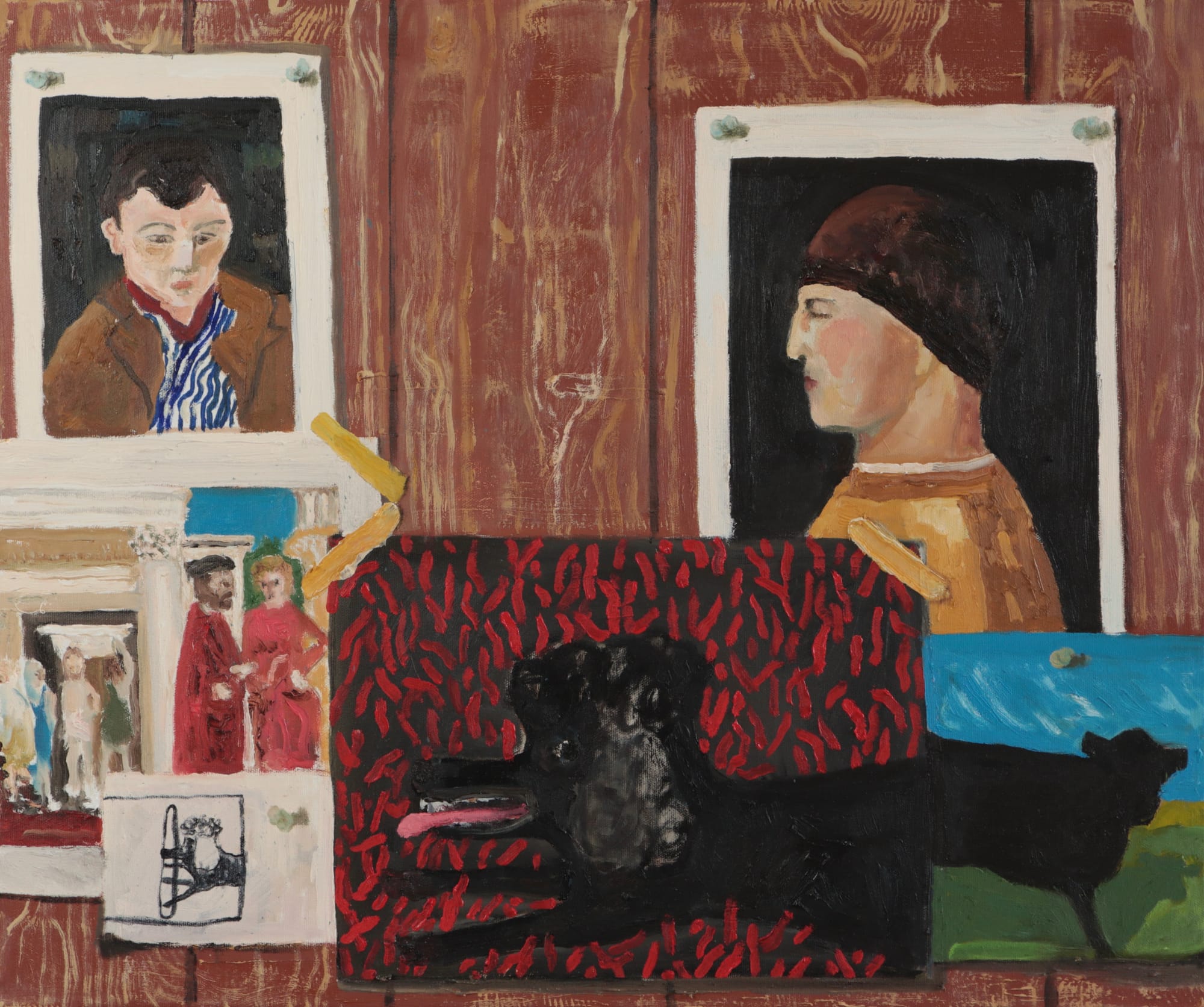
Artist Mark Milroy, an observational painter in his mid-50s who gained a following during the pandemic through Instagram and online shows at Nancy Margolis Gallery, is now holding his debut New York exhibition, "Jumbo," at JJ Murphy gallery through May 16. The show features 18 oil paintings and 12 colored pencil drawings, with subjects ranging from still lifes and portraits to a titular painting referencing the famous P.T. Barnum elephant killed in Milroy's hometown of St. Thomas, Ontario, in 1885. Milroy's work blends personal memory, art historical insight, and a deliberate gaze, drawing influences from Cedric Morris and 15th-century Florentine painting.

Jule Korneffel Finds Meaning at the End of Light

Artist Jule Korneffel's solo exhibition 'In Search of Lost Light' is on view at Spencer Brownstone Gallery through May 2. The show features seven paintings from 2023 to the present, including a site-specific wall work, that explore themes of fading light, memory, and melancholia through a nuanced palette of grays and blues.

Steve DiBenedetto’s Cosmic Sense of the Absurd

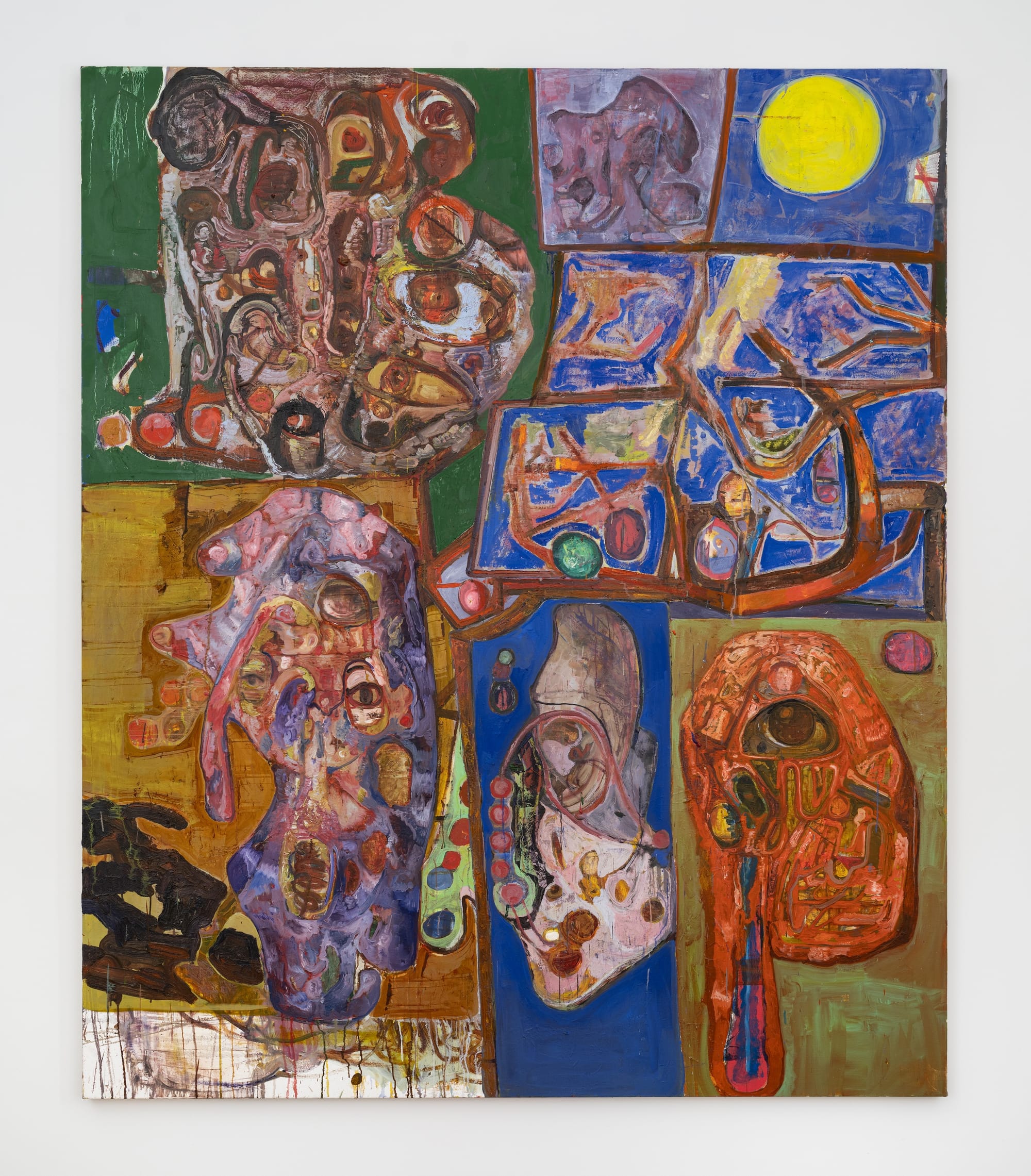
Artist Steve DiBenedetto presents a new body of work in his solo exhibition, "Spiral Architect," at Derek Eller Gallery. The show features 17 paintings ranging from large-scale canvases to intimate works, all characterized by a restless movement between abstraction and figuration. DiBenedetto utilizes a process-heavy technique of adding, scraping, and reworking oil paint to create dense, visionary landscapes filled with octopi, cellular forms, and Rube Goldberg-esque machinery.

David Novros’s Portable Murals

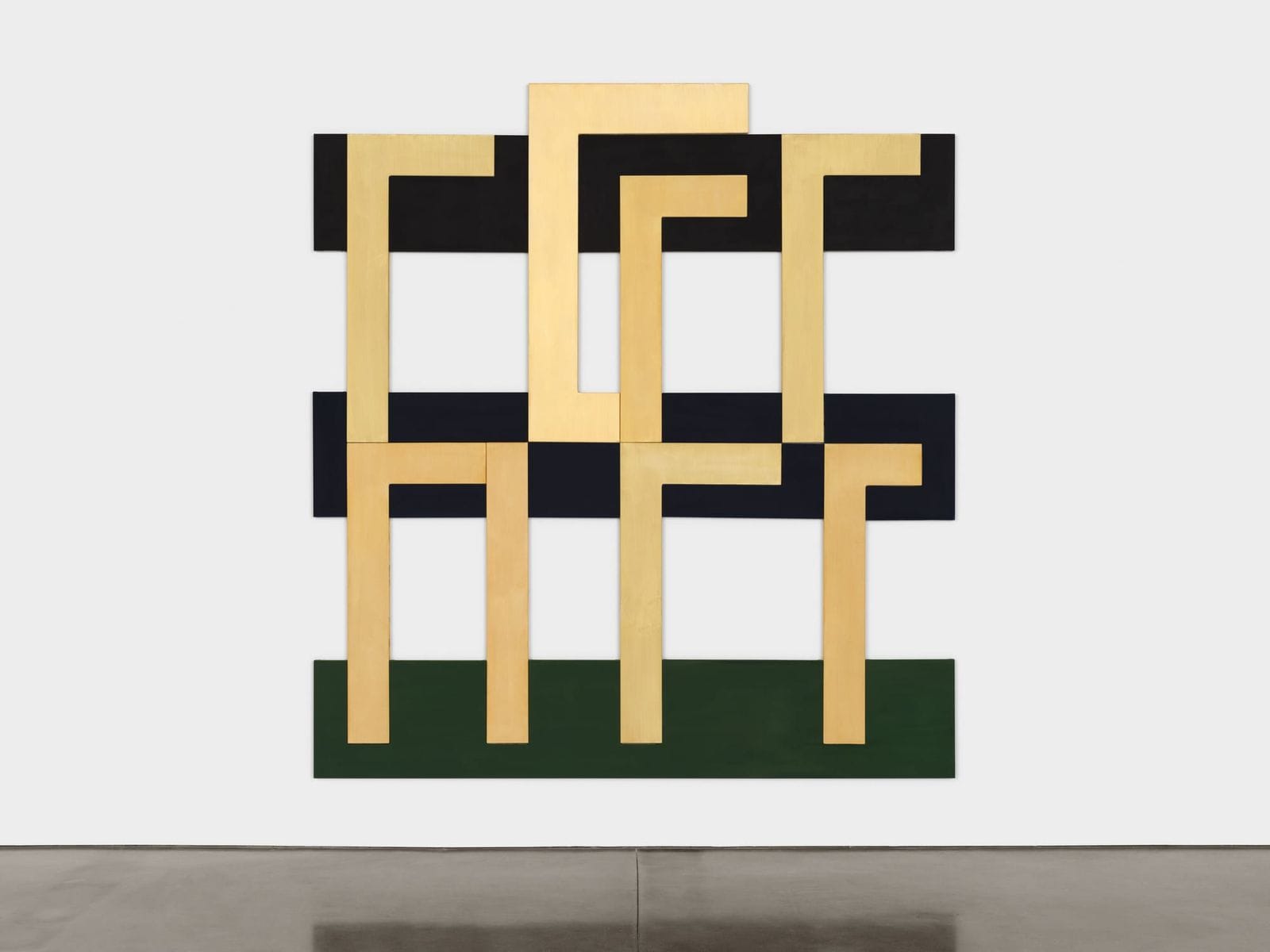
David Novros’s latest exhibition at Paula Cooper Gallery showcases his "portable murals," intricate multi-paneled paintings that challenge the traditional concept of art as a mere object on a wall. Utilizing oil and murano on canvas, Novros assembles monochromatic, L-shaped, and horizontal panels with precise intervals that incorporate the gallery wall into the composition. These works are designed to be experienced kinesthetically, responding to shifting natural light and the viewer's physical movement through the space.

Jasper Johns Keeps Looking

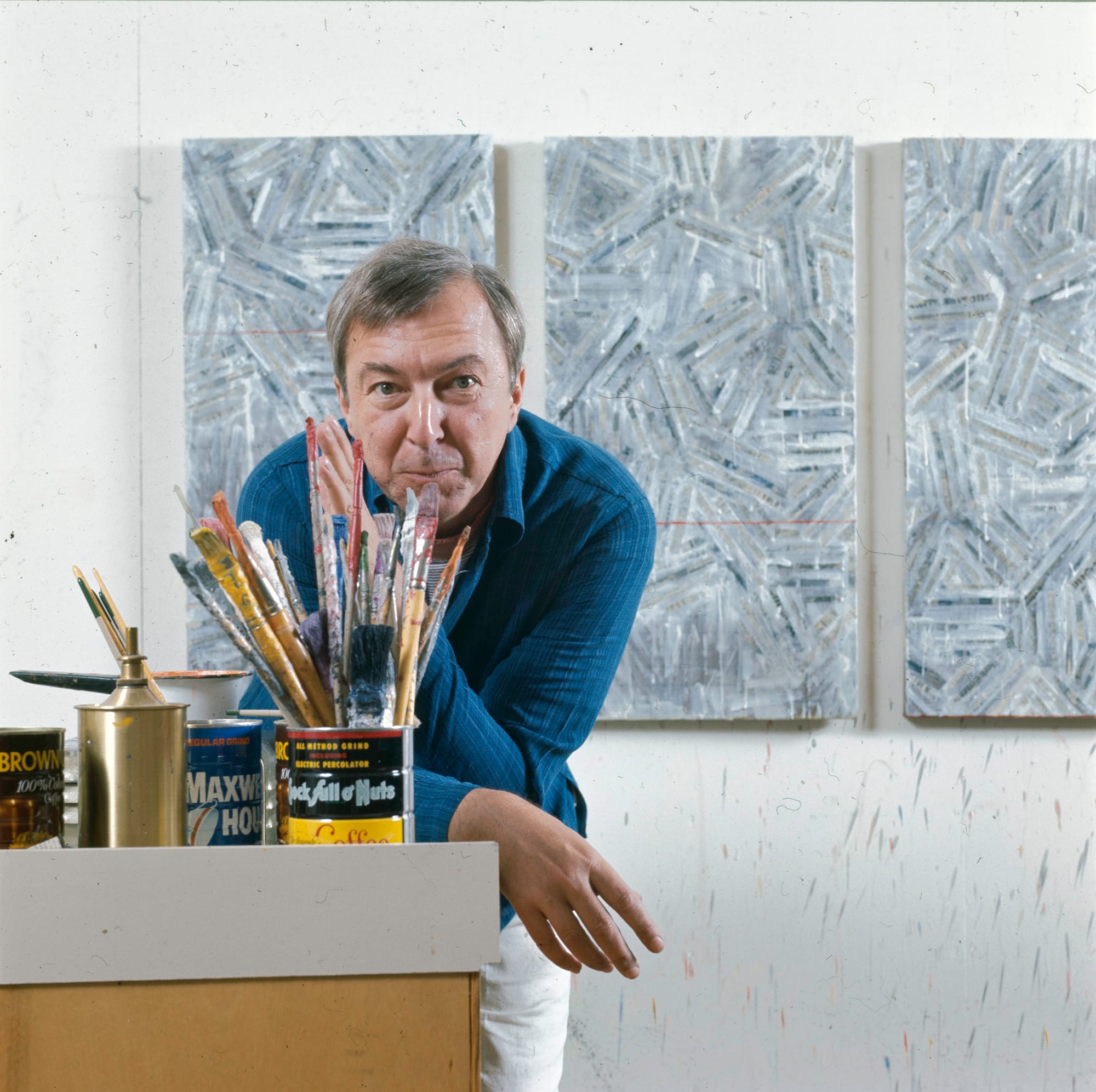
Jasper Johns’s latest exhibition at Gagosian, 'Between the Clock and the Bed,' serves as a profound meditation on the artist's career-long investigation into the 'things the mind already knows.' By revisiting his signature motifs—including flags, targets, and crosshatch patterns—the show highlights Johns’s rejection of Abstract Expressionist spontaneity in favor of a deliberate, analytical process using encaustic and collage. The works document a transformation where familiar symbols are rendered into a complex visual language that bridges the gap between memory and physical presence.

The Unbearable Strangeness of Being

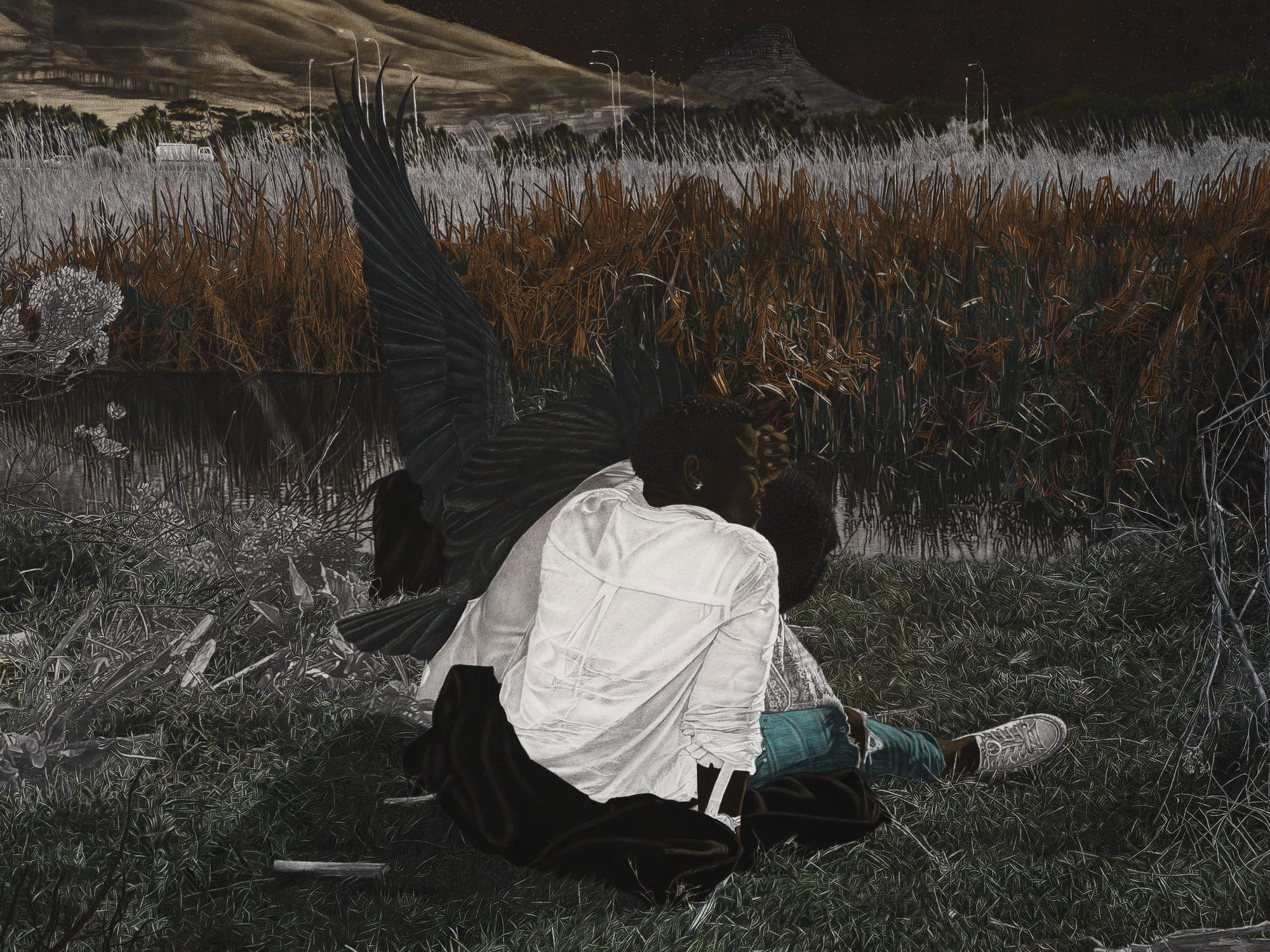
South African artist Cinga Samson makes his New York debut at White Cube with "Ukuphuthelwa," an exhibition of haunting, large-scale oil paintings. The works feature figures with distinctive white pupils engaged in enigmatic rituals within dark, crepuscular landscapes. Drawing from the isiXhosa concept of spiritual alertness during sleeplessness, Samson’s compositions blend the palpable with the unearthly, often depicting scenes that feel choreographed yet remain stubbornly illegible to the Western gaze.

Leah Ki Yi Zheng’s Personal I Ching

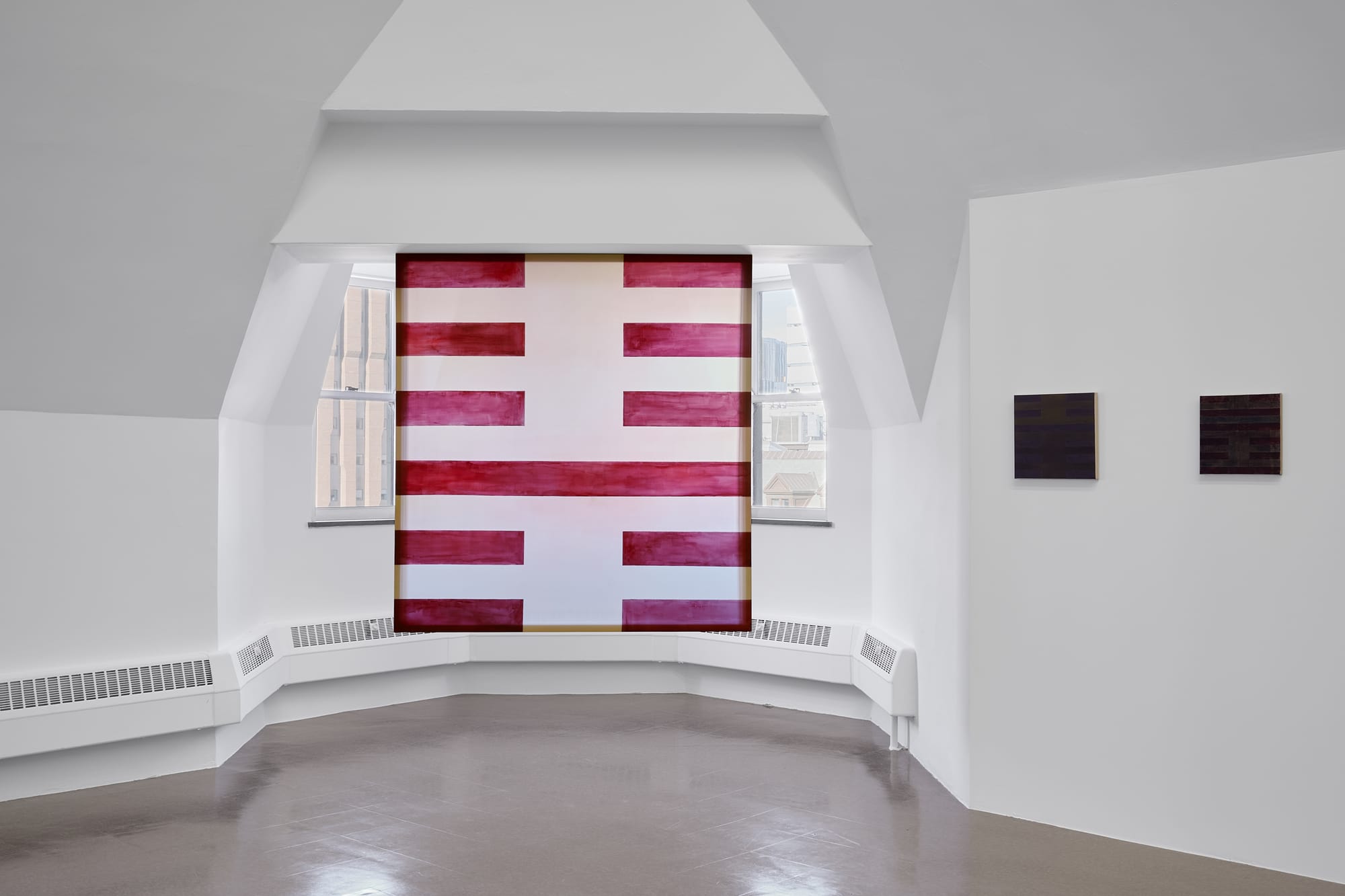
Artist Leah Ke Yi Zheng's exhibition "Change, I Ching (64 Paintings)" at the Renaissance Society in Chicago presents a series of oil and acrylic paintings on silk, each depicting one of the 64 hexagrams from the ancient Chinese divination text, the I Ching. The artist physically altered the gallery's architecture to control light and create a specific viewing rhythm, synthesizing materials and techniques from Chinese ink painting traditions with Western geometric abstraction and oil painting.

Beacons in a Grim World

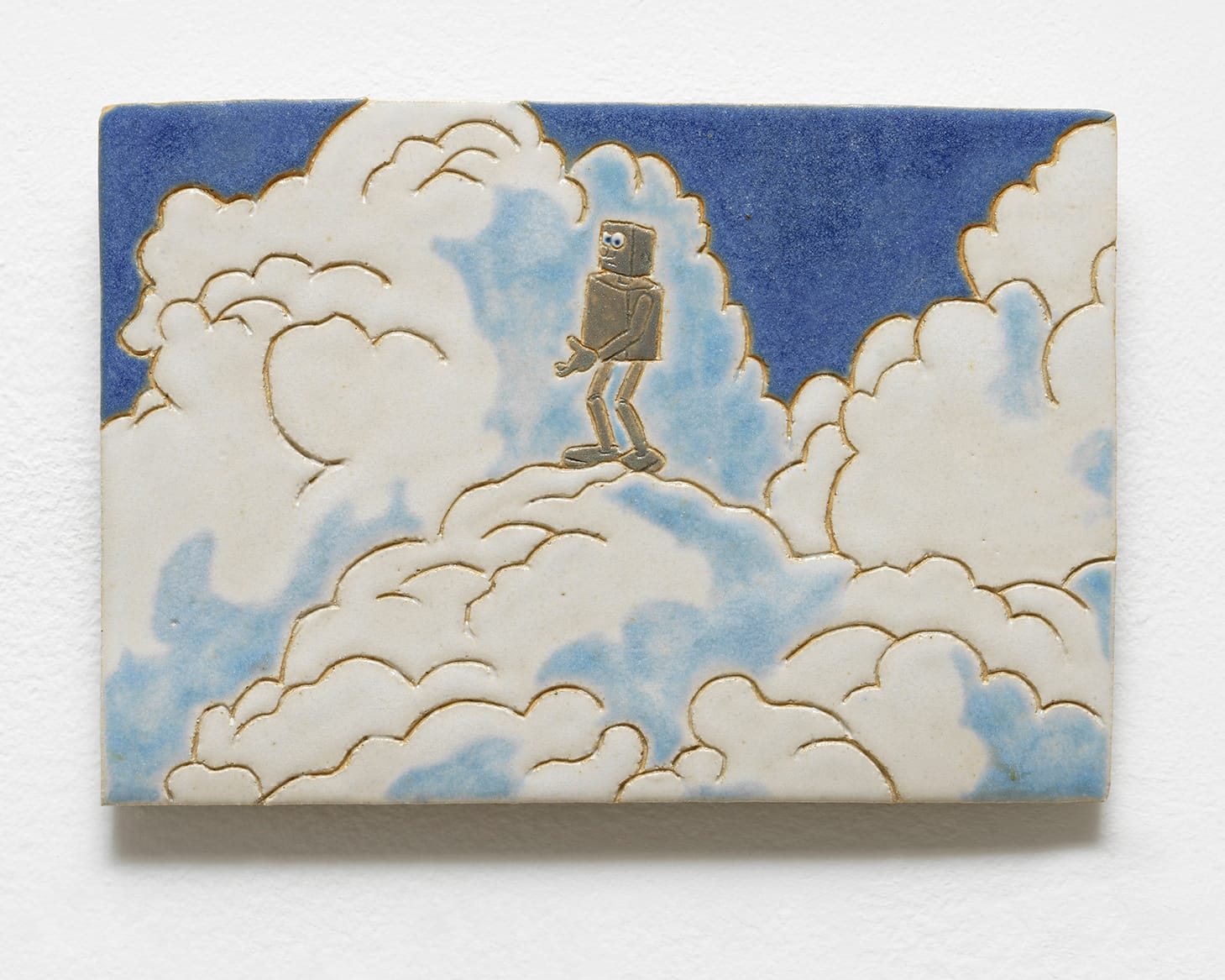
Two concurrent solo exhibitions at Alexander Berggruen Gallery feature the work of artists Kevin McNamee-Tweed and Tajh Rust. McNamee-Tweed presents enigmatic, tenderly absurd ceramic scenes, while Rust debuts in New York with figurative paintings that explore perception and Black identity through portraits of leisure and experimental silvered glass works.

Anki King’s Nordic Noir

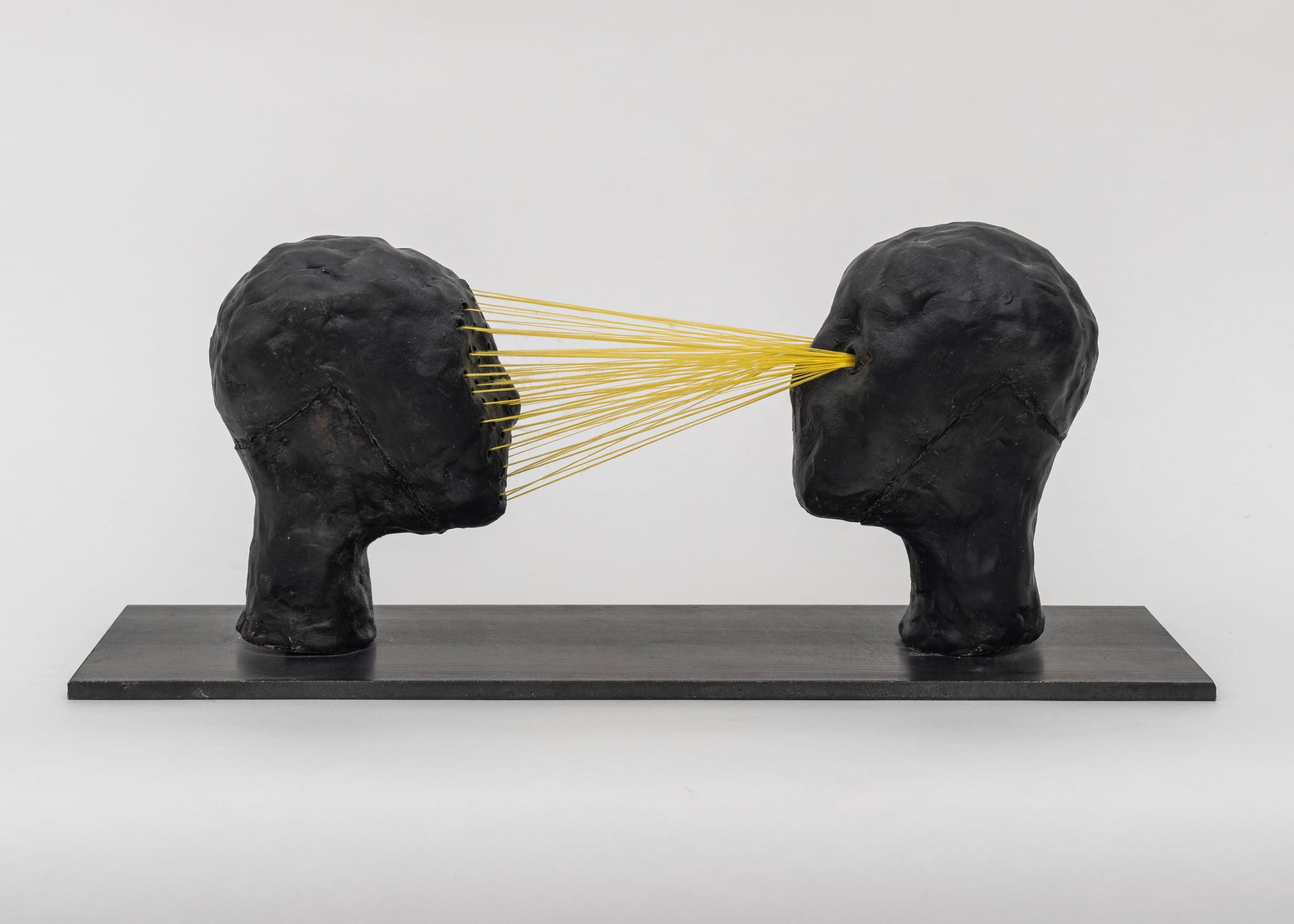
Anki King's solo exhibition at the Lace Mill in Kingston, New York, presents 40 works from 2015-2026 that explore themes of isolation and miscommunication through a moody, Nordic-inspired palette. The Norwegian-born, New York-based artist employs a distinctive visual language of featureless, long-limbed figures and recurring motifs like threaded ceramic heads and figures with leafless branches.

Why I Wanted to Meet Thaddeus Mosley

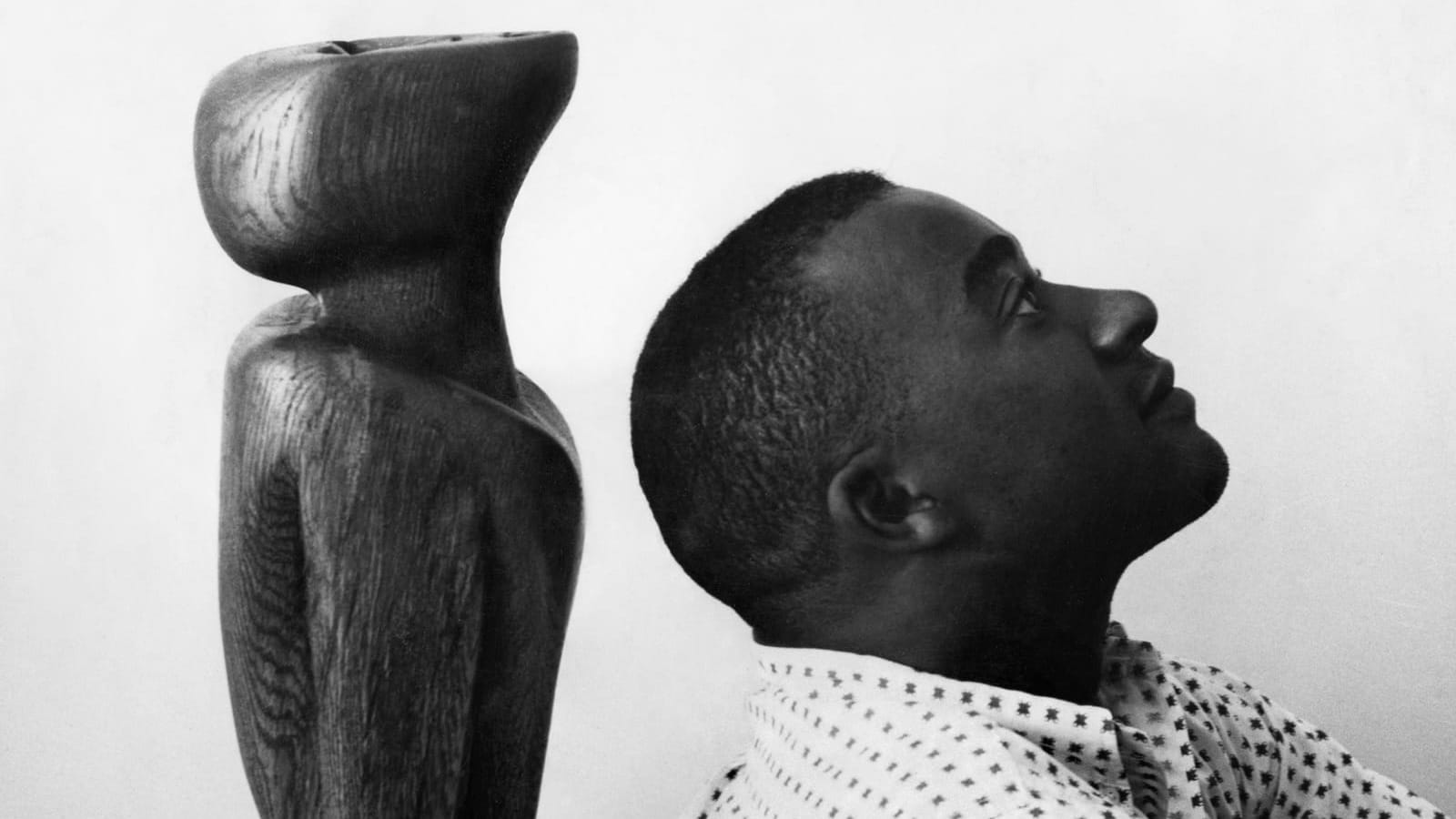
The author recounts their personal journey to meet the self-taught sculptor Thaddeus Mosley, driven by a profound impression left by his 2004 New York debut exhibition. After a late-night phone call revealed Mosley's vibrant spirit, the author reflects on the artist's decades-long practice of carving salvaged wood into towering, abstract sculptures in Pittsburgh, inspired by jazz, African visual culture, and modernist art, yet operating largely outside the mainstream art world.