arrow_back Back to all stories

person Louis Gevart

newspaper Beaux Arts Magazine article 5 articles

What You (Maybe) Didn't Know About Édouard Manet

Ce que vous ne saviez (peut-être) pas sur Édouard Manet

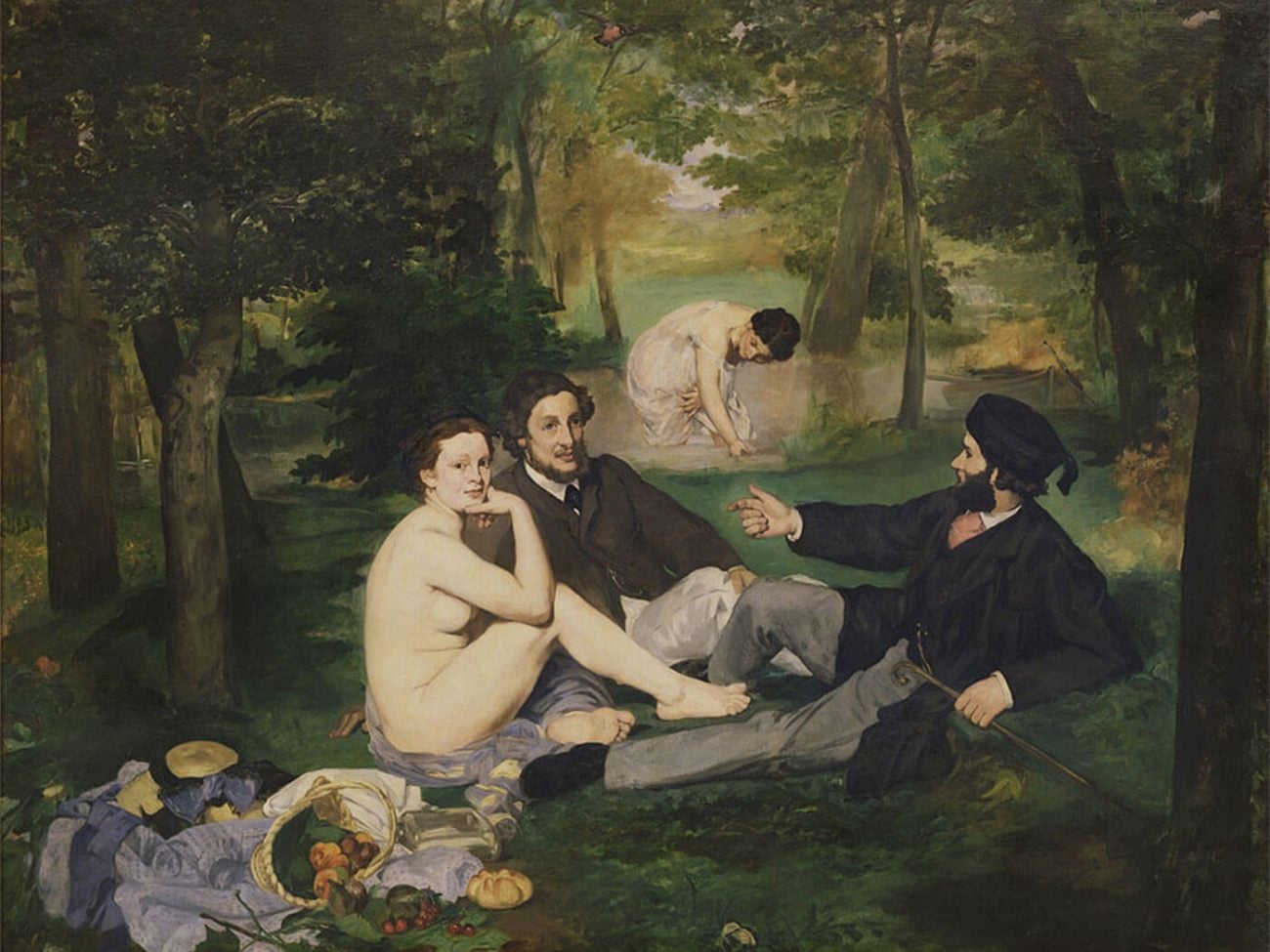
Édouard Manet (1832–1883), a pivotal figure bridging realism and impressionism, is the subject of a feature article in Beaux Arts Magazine. The piece explores lesser-known aspects of his life and career, including his near-miss as a naval officer, his rivalry with Gustave Courbet, his refusal to join the impressionist exhibitions despite close ties to the movement, and his deep fascination with Spanish culture. It highlights his scandalous works like *Le Déjeuner sur l'herbe* (1863) and *Olympia*, the latter entering the Louvre after a subscription launched by Claude Monet in 1889.
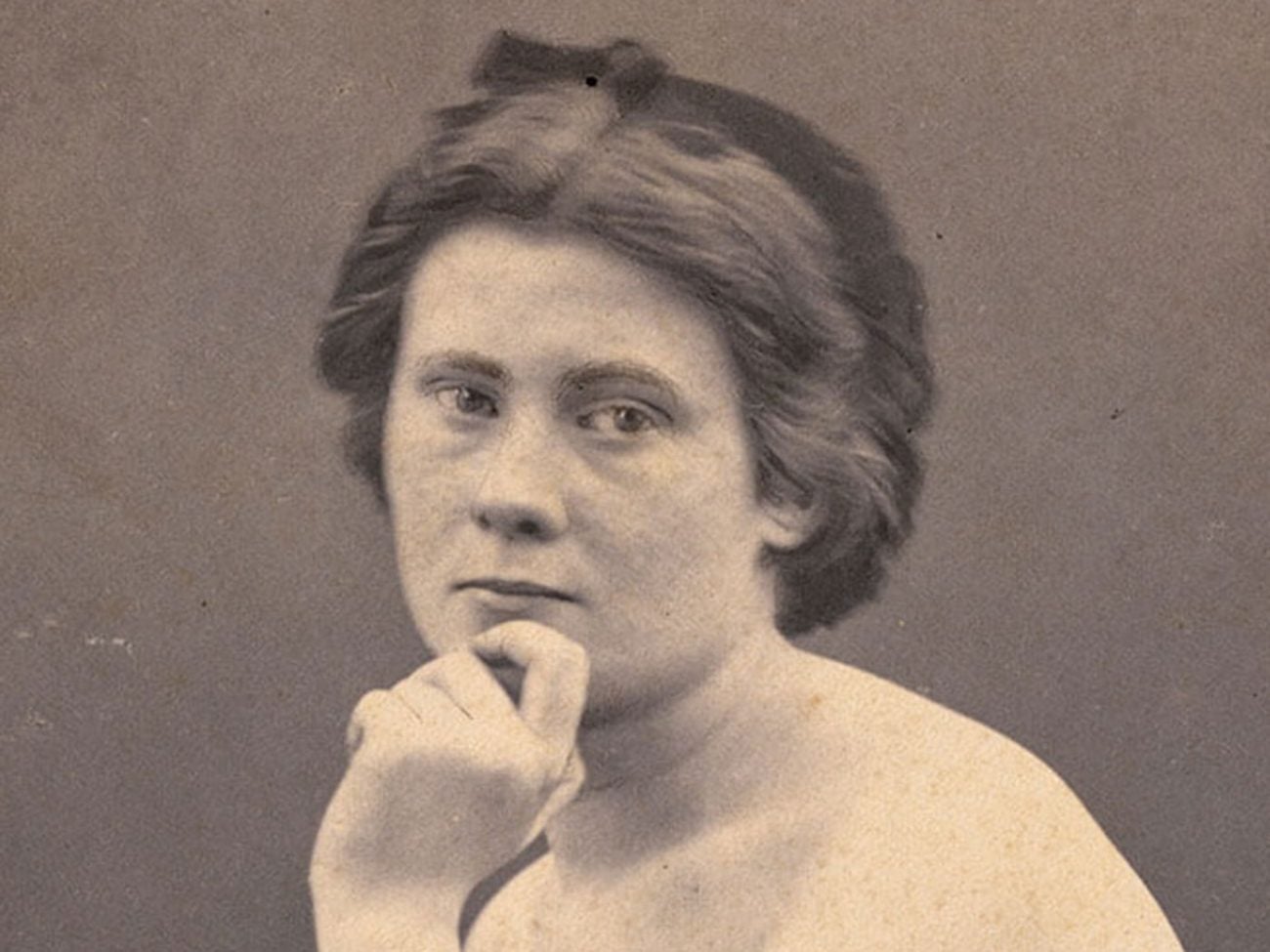
Photographs of Victorine Meurent who posed for 'Le Déjeuner sur l'herbe' discovered by chance in Grenoble

Les photos de Victorine Meurent qui ont servi de modèle au « Déjeuner sur l’herbe » retrouvées par hasard à Grenoble

A chance discovery at the Musée de Grenoble has unearthed two previously unknown photographs of Victorine Meurent, the favorite model of Édouard Manet, taken by Gaudenzio Marconi in 1863. Art historian Laure Boyer, while researching a different subject, recognized Meurent in the images and realized they directly served as studies for Manet's iconic paintings *Le Déjeuner sur l'herbe* and *Olympia*. The photographs show Meurent in poses nearly identical to the figures in both works, with only the orientation reversed in one case and facial expressions swapped between the two paintings.

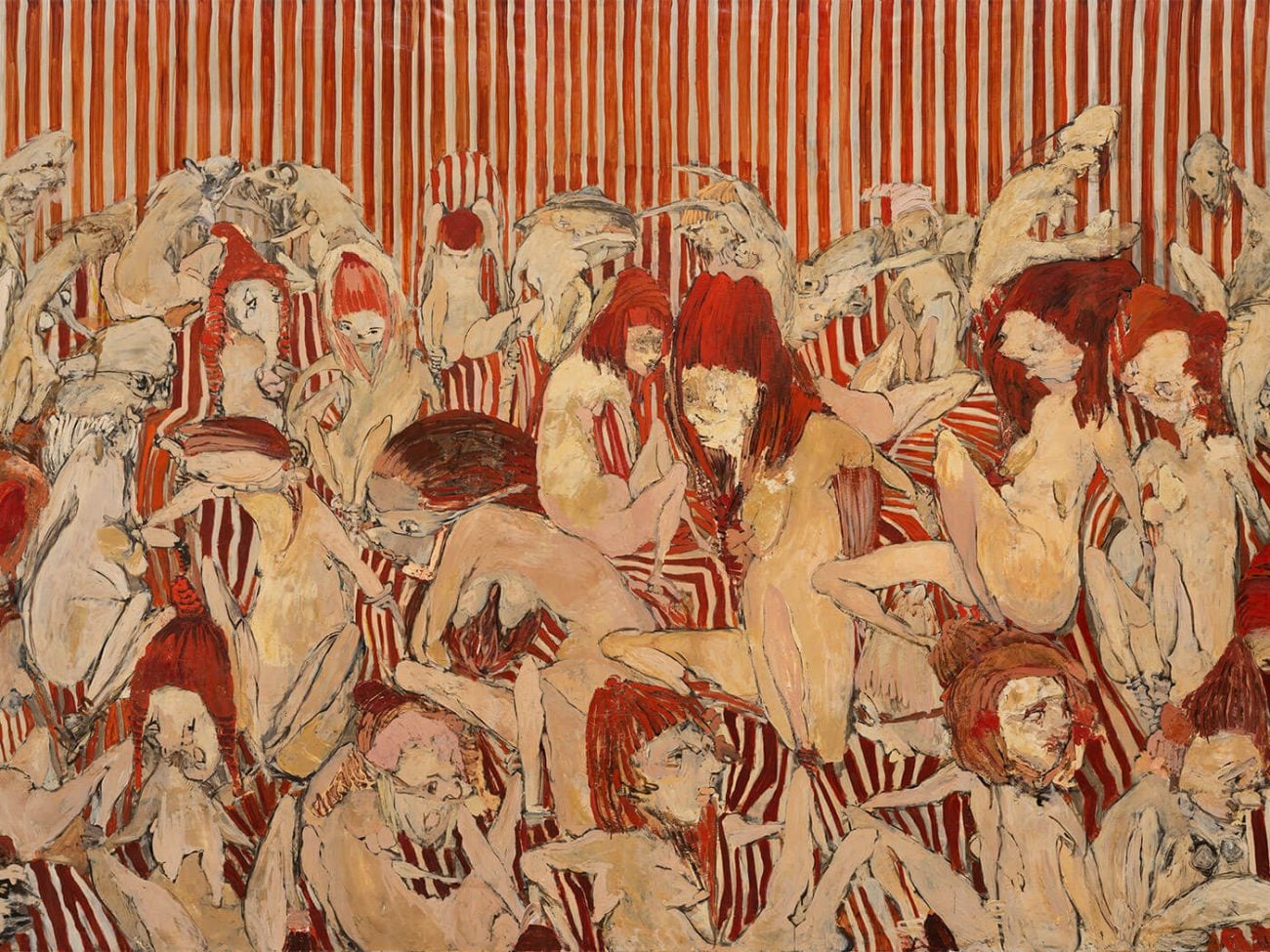
Heir of Goya and Abstract Expressionism, the painting of Roger-Edgar Gillet finally rediscovered in an unprecedented retrospective

Héritière de Goya et de l’expressionnisme abstrait, la peinture de Roger-Edgar Gillet enfin redécouverte dans une rétrospective inédite

A major retrospective at the Musée Estrine in Saint-Rémy-de-Provence finally brings long-overdue recognition to French painter Roger-Edgar Gillet (1924–2004), an artist who emerged from the post-war abstraction scene of the Nouvelle École de Paris but later forged a singular figurative style blending Goya, Delacroix, and Northern grotesque traditions. The exhibition follows two important donations—to the Centre Pompidou in 2017 and the Musée des Beaux-Arts de Rennes in 2022—that helped revive institutional interest in Gillet, whose work had been marginalized since the 1960s.

What you (perhaps) didn't know about Alexander Calder

Ce que vous ne saviez (peut-être) pas sur Alexander Calder

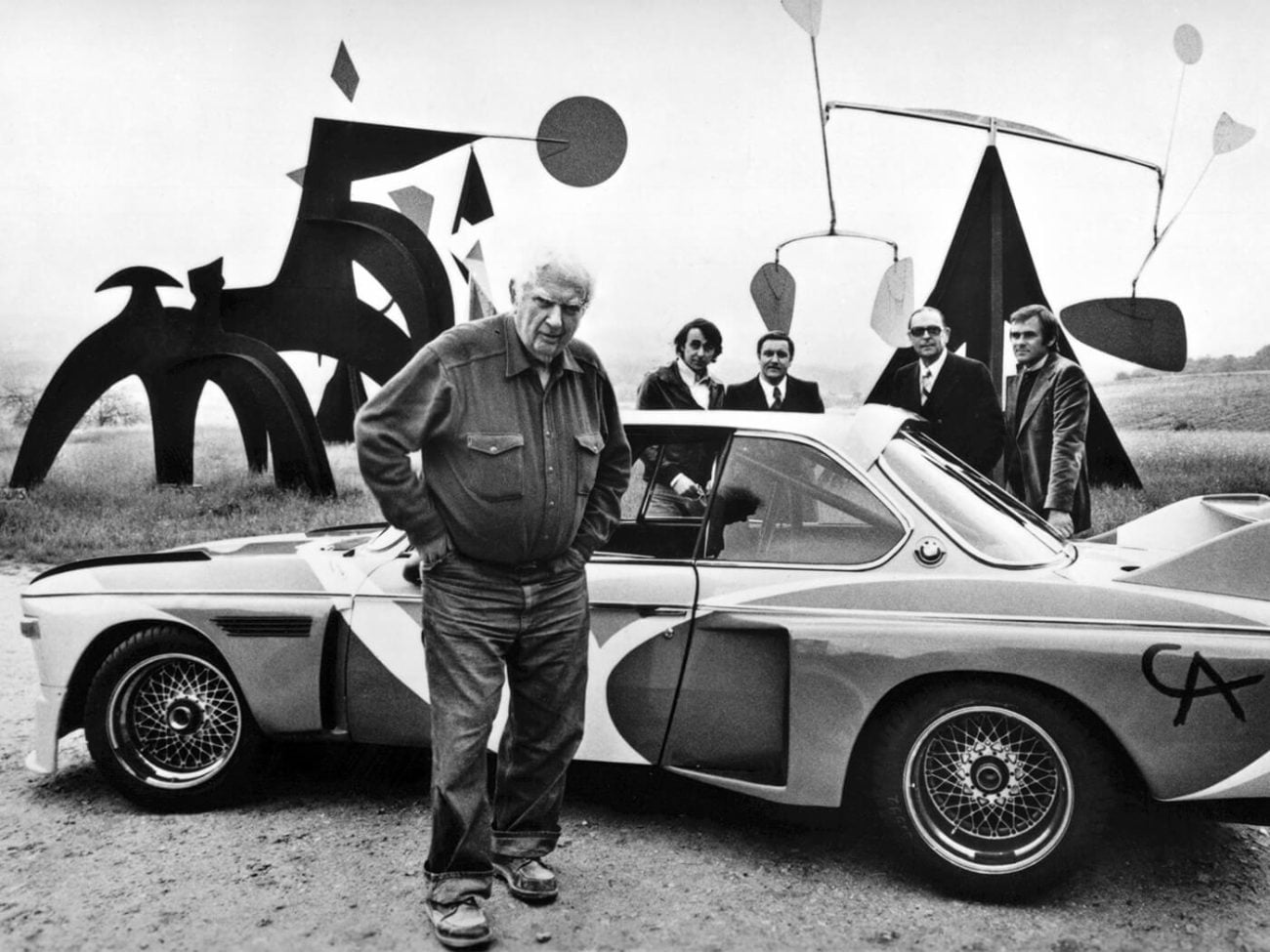
The Fondation Louis Vuitton in Paris has launched the exhibition "Calder. Rêver en équilibre," prompting a retrospective look at the life and technical mastery of Alexander Calder. The article explores the artist's journey from his arrival in Paris in 1926 to his interactions with avant-garde masters like Duchamp and Miró, highlighting how he defied traditional artistic labels through his innovative use of movement and simple materials.

The True Story of the Caravaggio Theft by the Sicilian Mafia Behind the 'Le Complot Caravaggio' Series on Arte

La véritable histoire du vol du Caravage par la mafia sicilienne derrière la série « Le Complot Caravaggio » sur Arte

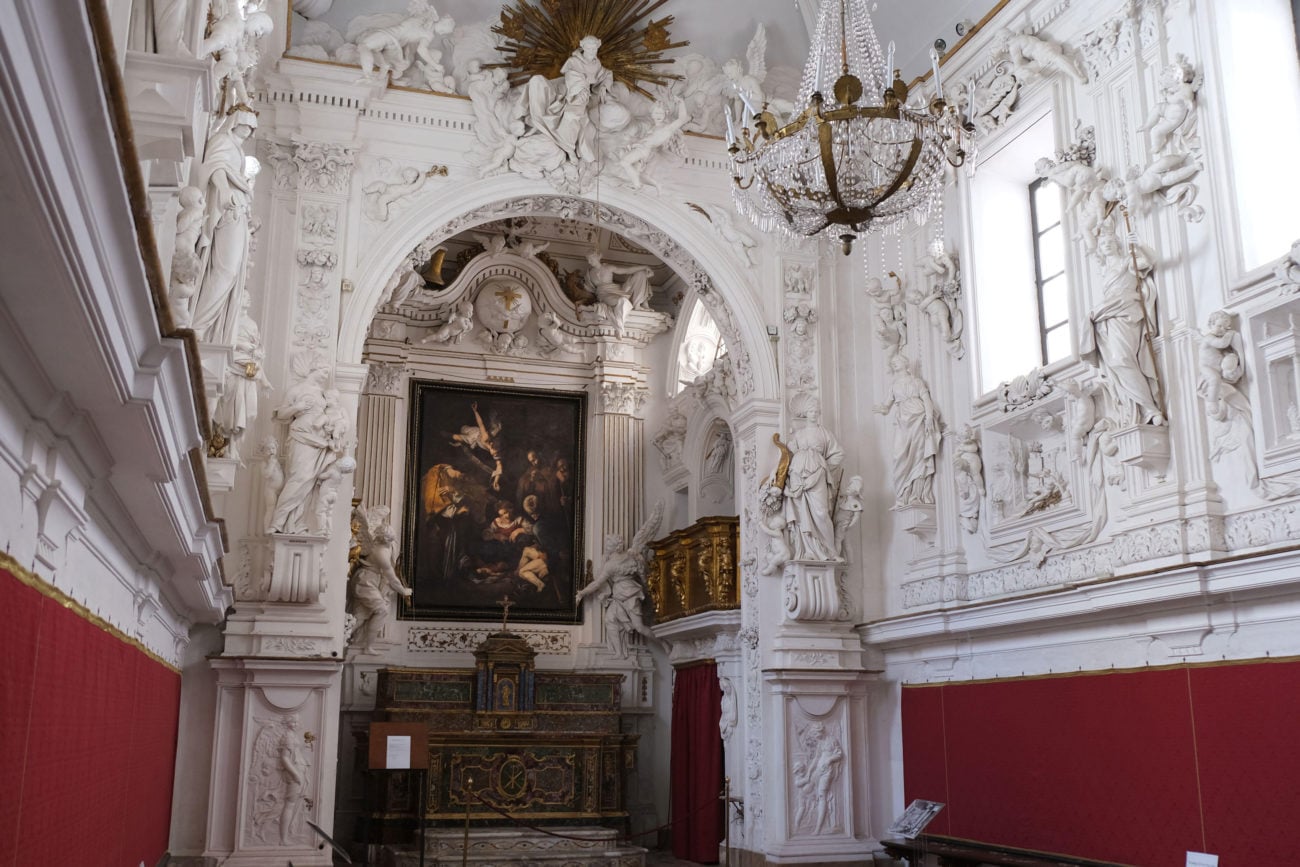
The article details the infamous 1969 theft of Caravaggio's masterpiece, "Natività con i santi Lorenzo e Francesco d'Assisi" (The Nativity with Saint Francis and Saint Lawrence), from the Oratory of San Lorenzo in Palermo, Sicily. The painting, a large-scale work measuring three by two meters, was expertly cut from its frame and has never been recovered, remaining second on the FBI's Top Ten Art Crimes list. The theft is widely attributed to the Sicilian Mafia, with theories suggesting it was stolen to order or for use in secret mafia gatherings.

The true story of the Caravaggio theft by the Sicilian Mafia behind the Arte series 'The Caravaggio Conspiracy'

La véritable histoire du vol du Caravage par la mafia sicilienne derrière la série « Le Complot Caravaggio » sur Arte

The theft of Caravaggio’s 'Nativity with Saint Francis and Saint Lawrence' from the Oratory of San Lorenzo in Palermo remains one of the world's most notorious unsolved art crimes. Stolen in October 1969 by professional thieves who cut the massive three-meter canvas from its frame, the masterpiece has been missing for over 50 years. Investigations have long pointed toward the Sicilian Mafia, with various theories suggesting the work was displayed at secret summits, hidden in Switzerland, or tragically destroyed.