
arrow_back Back to all stories

person Nina Siegal

newspaper New York Times Art article 5 articles

Uncertainty, But Also Optimism, Mark New York Art Week

New York Art Week in May will feature high-value auction items and several major private collections going to market, serving as a key indicator of the art market's health amid current economic and political uncertainty. The event brings together galleries, auction houses, and collectors for a concentrated period of sales and exhibitions.

A Dutch Art Studio Lights Up Venice’s Grand Canal

Dutch artists Lonneke Gordijn and Ralph Nauta of Studio Drift have installed their kinetic light sculptures along Venice’s Grand Canal, bringing their work outdoors for the first time during the Venice Biennale. The installation transforms the iconic waterway with moving, illuminated forms that interact with the surrounding architecture and water.

In Central Java, an Eco-Resort Aims to Build Sustainability Through Creativity

An Indonesian and Australian couple, Wiyoga Muhardanto and Hannah O’Flynn, have transformed a plot of land in Central Java into an eco-resort and creative hub called Yabbiekayu. The project includes a gallery, artist residencies, and workshops, aiming to foster a sustainable creative economy by connecting local artisans with international artists and designers.

Dutch Panel Designs Plan to Deal With ‘Orphaned’ Nazi-Looted Art

A Dutch advisory panel has recommended the creation of a new independent Jewish foundation to manage a vast collection of artworks looted by the Nazis that remain unclaimed. The collection, known as the NK collection, consists of over 3,000 objects currently held by the Dutch state, but whose original owners or heirs have not been identified.

Imagining the Manosphere as a Kinder, Gentler Place

Two new art exhibitions are tackling the aesthetics and ideology of the online "manosphere," a network of communities promoting hypermasculinity and often misogyny. The shows, 'The Manosphere: A New Hope?' at the New Museum and 'Soft Boys' at the Institute of Contemporary Art, Los Angeles, use video, sculpture, and installation to dissect this digital subculture and its visual language.

How to Reduce the Environmental Impact of Collecting

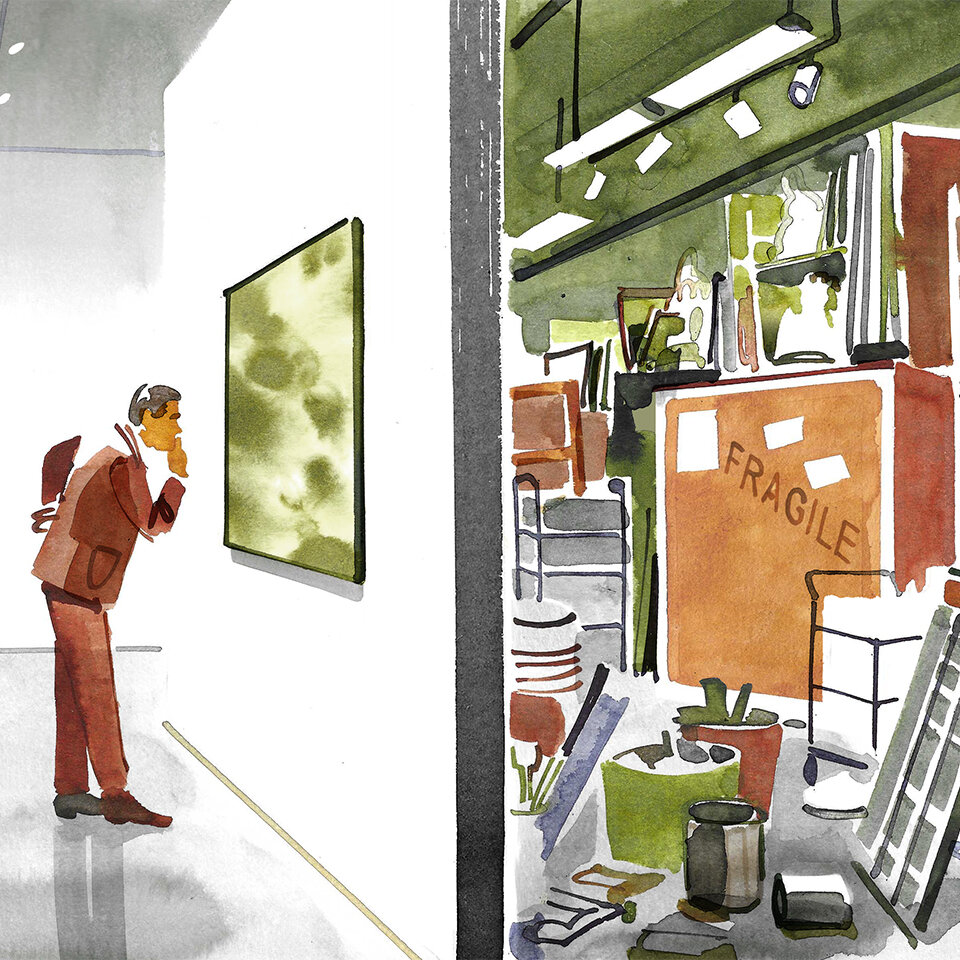
The article outlines practical strategies for art collectors to minimize their environmental footprint. It details specific actions such as opting for commercial flights over private jets, selecting reusable and sustainably sourced packing crates, consolidating shipments, and choosing local artists or galleries to reduce transportation emissions.