arrow_back Back to all stories

person Olivia McEwan

newspaper The Guardian article 2 articles

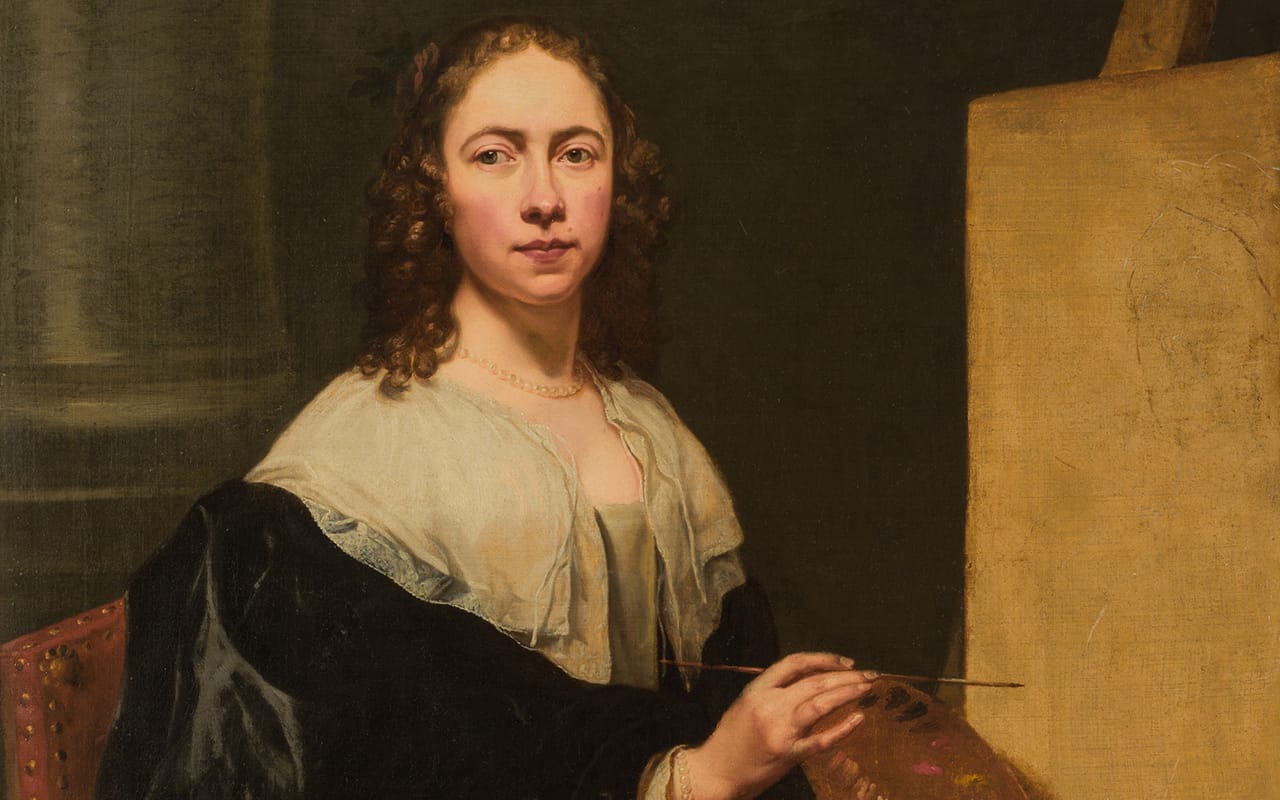
Michaelina Wautier Finally Known by Her Name

The Royal Academy of Arts in London has launched a monographic exhibition dedicated to Michaelina Wautier, a 17th-century Brussels-based painter whose work was misattributed to male contemporaries for centuries. Despite her mastery across diverse genres—including portraiture, floral still lifes, and large-scale history paintings typically reserved for men—her identity was obscured by patriarchal societal norms and a lack of biographical documentation. The show highlights her technical brilliance, notably in works like "The Triumph of Bacchus," which was long credited to male artists due to the era's restrictions on women studying nude models.

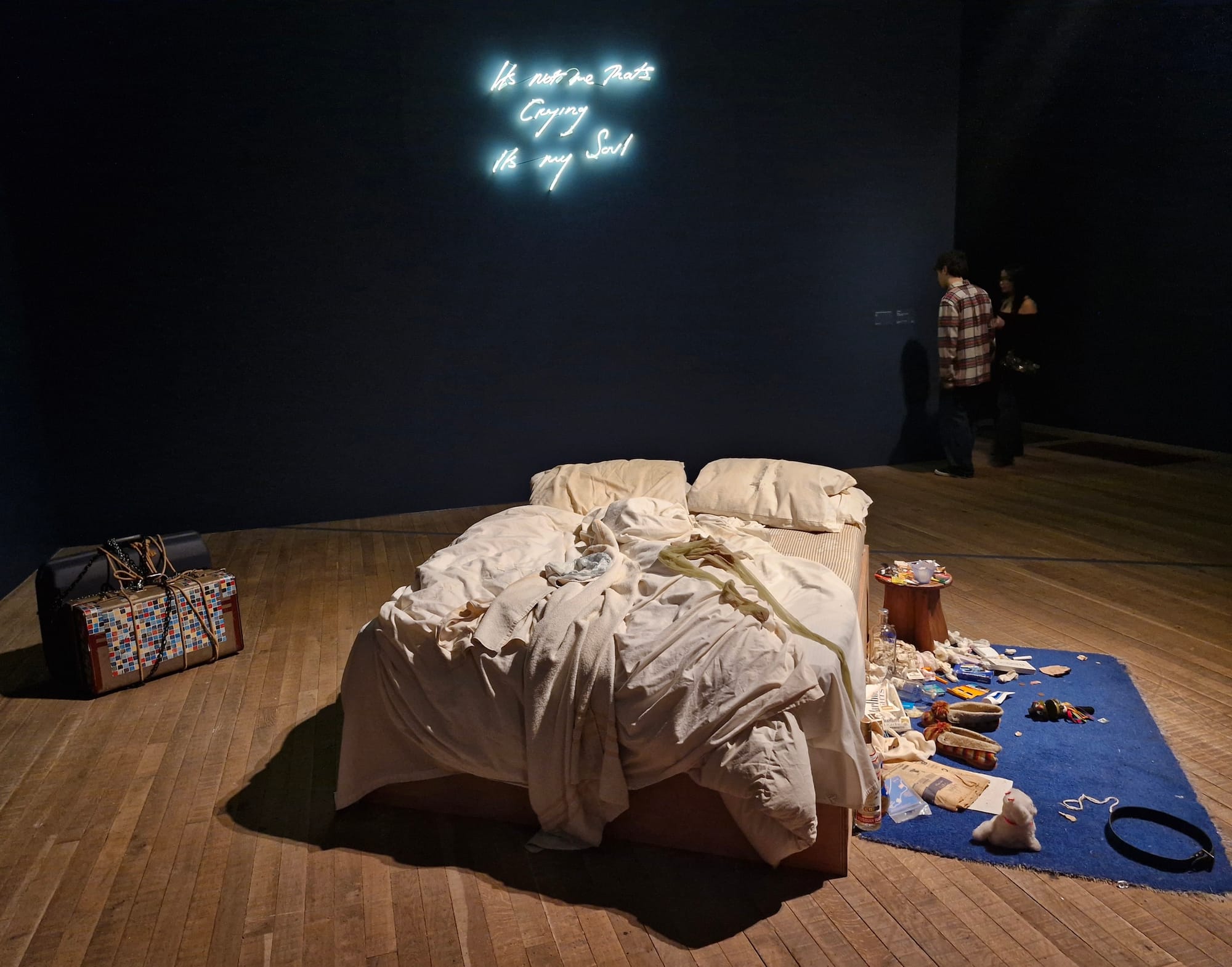
Tracey Emin’s Cult of the Self

A major retrospective of Tracey Emin's work, "A Second Life," is on view at Tate Modern in London. The exhibition presents the artist's deeply personal and confessional body of work, including iconic pieces like "My Bed" and "Exorcism of the Last Painting I Ever Made," which chronicle intimate experiences of love, trauma, and self-exploration through text, objects, and raw imagery.

Michaelina Wautier review – an astounding lost artist steps out of her male contemporaries’ shadows

A major exhibition at the Royal Academy is presenting the work of 17th-century Flemish painter Michaelina Wautier, an artist whose significant oeuvre was long misattributed to her male contemporaries, including her brother Charles. The show acts as a real-time art historical investigation, using scientific analysis, scholarship, and connoisseurship to reconstruct her career and assert her authorship of ambitious works like the monumental 'The Triumph of Bacchus'.

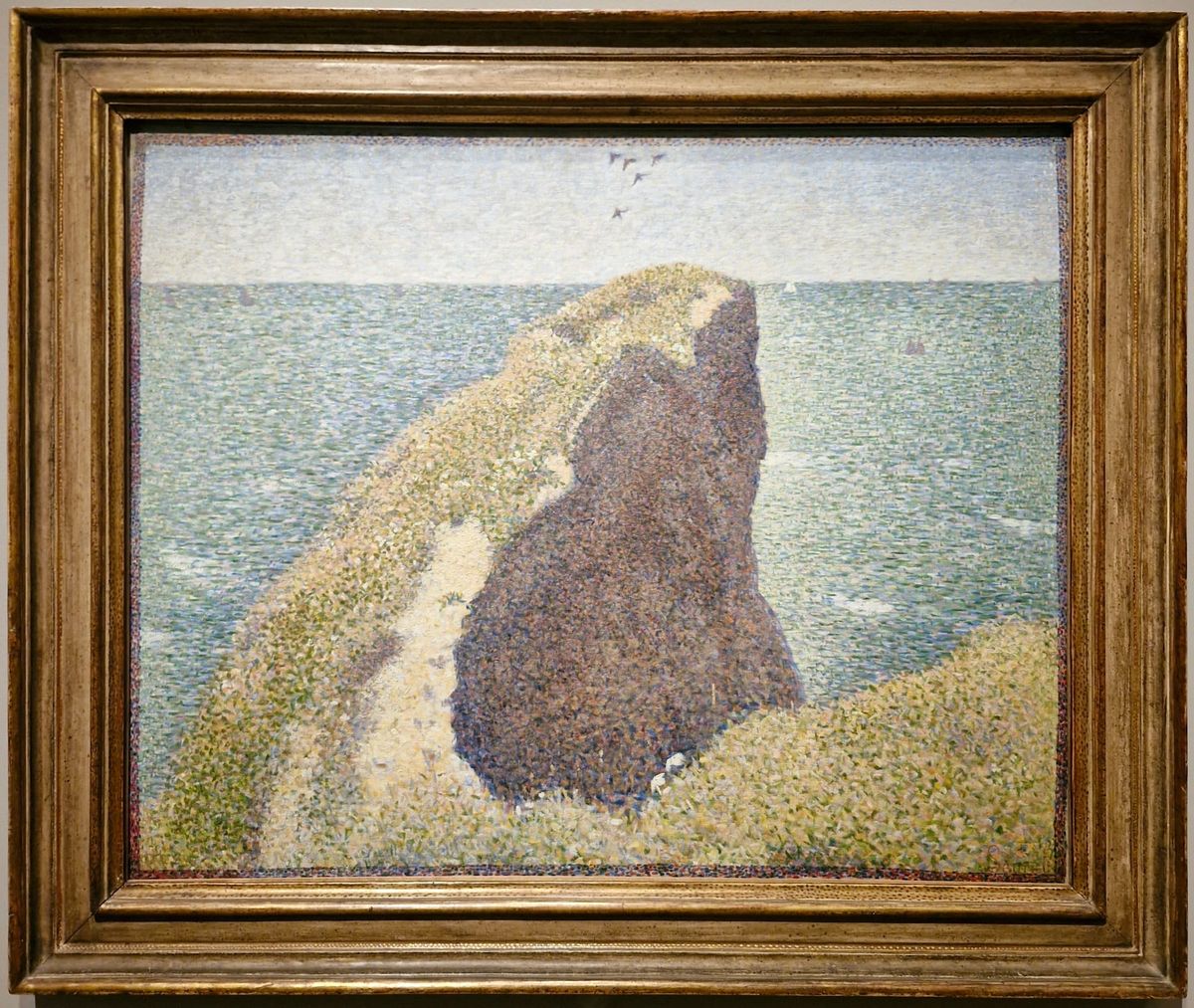
Seurat and the Sea Is Postcard Perfect

Seurat and the Sea Is Postcard Perfect

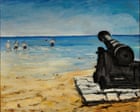
The Courtauld Gallery in London is hosting 'Seurat and the Sea,' the UK's first exhibition dedicated to Georges Seurat's seascapes. The show features over half of the artist's lifetime output of canvases, painted during summer trips to the Channel coast between 1885 and 1890, which he intended as visual cleansers from studio work. The exhibition highlights his pointillist technique, using contrasting dots of color to capture seaside light.