arrow_back Back to all stories

person Stefano Monti

newspaper Artribune article 6 articles

In internal areas, the line between public and private is increasingly blurred. Especially in culture

Nelle aree interne il confine tra pubblico e privato è sempre più sottile. Soprattutto in fatto di cultura

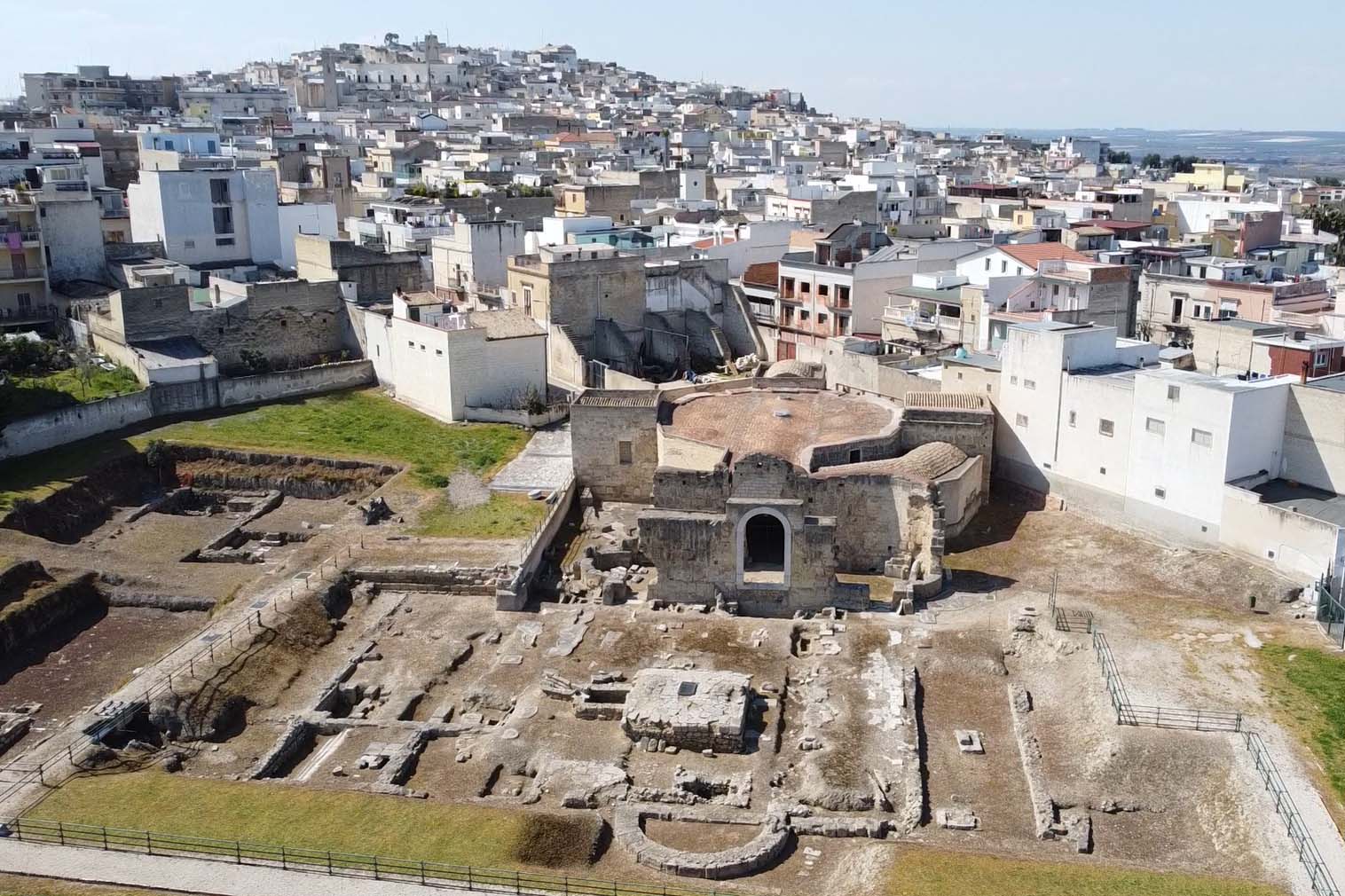
The article examines the blurring line between public and private roles in Italy's internal areas, particularly in cultural heritage management. It contrasts 20th-century certainties—such as Milton Friedman's clear division between state and market—with today's more ambiguous reality, where private entities like foundations and companies increasingly take charge of archaeological sites, maintenance, and cultural assets that generate public benefits. Examples include the Fondazione Archeologica Canosina, which won the Premio Francovich, and the Fondazione Mont'e Prama.

Reasoning beyond accounting: here is the first step for a valuation of cultural heritage

Ragionare oltre la contabilità: ecco il primo step per una valutazione del patrimonio culturale

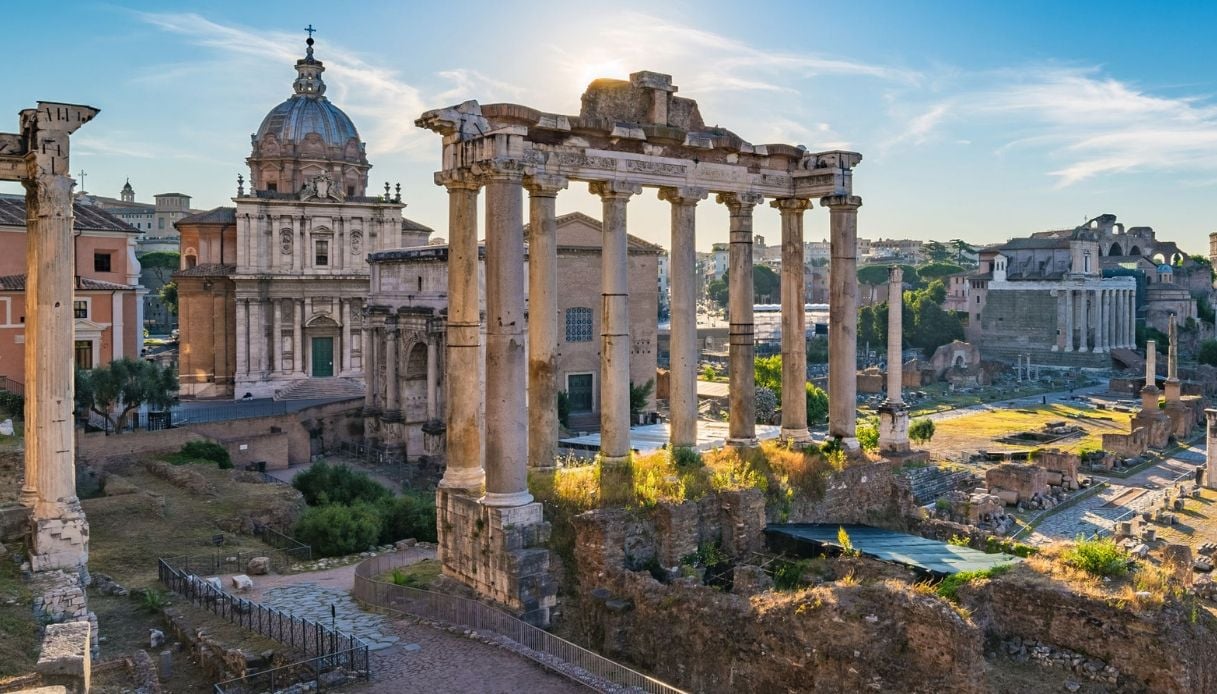
Angelo Argento recently published an article examining the valuation of cultural heritage in light of ongoing public accounting reforms in Italy. The piece moves beyond iconic landmarks like the Colosseum or Uffizi to focus on smaller, territorial assets such as archives, civic museums, and lesser-known archaeological sites, questioning how and whether a specific economic value can be assigned to them. It explores different international approaches—from market-based valuations in Australia and France to symbolic €1 entries in the U.S.—highlighting the global trend toward quantifying cultural heritage.

Cultural Observatories: Dinosaurs or Subjects Capable of Interpreting the Present?

Osservatori culturali. Dinosauri o soggetti in grado di interpretare il presente?

The Cultural Observatory of Canton Ticino has published a study on cultural observatories worldwide, including a map and list of surveyed organizations. The analysis reveals that cultural observatories are not a global phenomenon but are concentrated mainly in Europe and South America, with occasional presence in North America (especially Canada and Hispanic-oriented organizations in the US). Africa, Asia, and Oceania are almost entirely absent from the map. The study also highlights a high rate of inactive observatories: among the top 10 countries by active observatories, only Germany shows an effective activity ratio. Spain has 26 active observatories out of about 45 total, while Italy has 11 active out of over 20 inactive. The research defines observatories as non-profit organizations that combine cultural and statistical expertise to deepen and transfer knowledge about the cultural sector, and classifies as inactive those with no recent activity on web or social channels.

Should Wine Also Become UNESCO Heritage? Yes, But New Certification Criteria Must Be Imagined

Anche il vino diventa Patrimonio Unesco? Ok, ma si dovrebbero immaginare nuovi criteri di certificazione

EU Agriculture Commissioner Christophe Hansen has proposed that the culture of wine and vine be officially recognized as UNESCO World Heritage, citing its deep roots in European and Italian tradition. While wine-related practices like Pantelleria’s 'vite ad alberello' and various vineyard landscapes are already protected, this new proposal seeks a broader, more unified cultural designation for the industry.

We Don't Need New Museums (We Need New Museum Forms!)

Non abbiamo bisogno di nuovi musei (abbiamo bisogno di nuove forme museali!)

The Museum of Artificial Intelligence and Immersive Art (MAIIA) has announced the opening of a second location in Palermo, signaling a growing international interest in Italy's contemporary art scene. While the expansion is welcomed, critics warn that such developments often prioritize real estate investment over genuine cultural production, potentially leading to neighborhood gentrification rather than authentic community enrichment.