
arrow_back Back to all stories

person The Cut

newspaper Google News article 2 articles

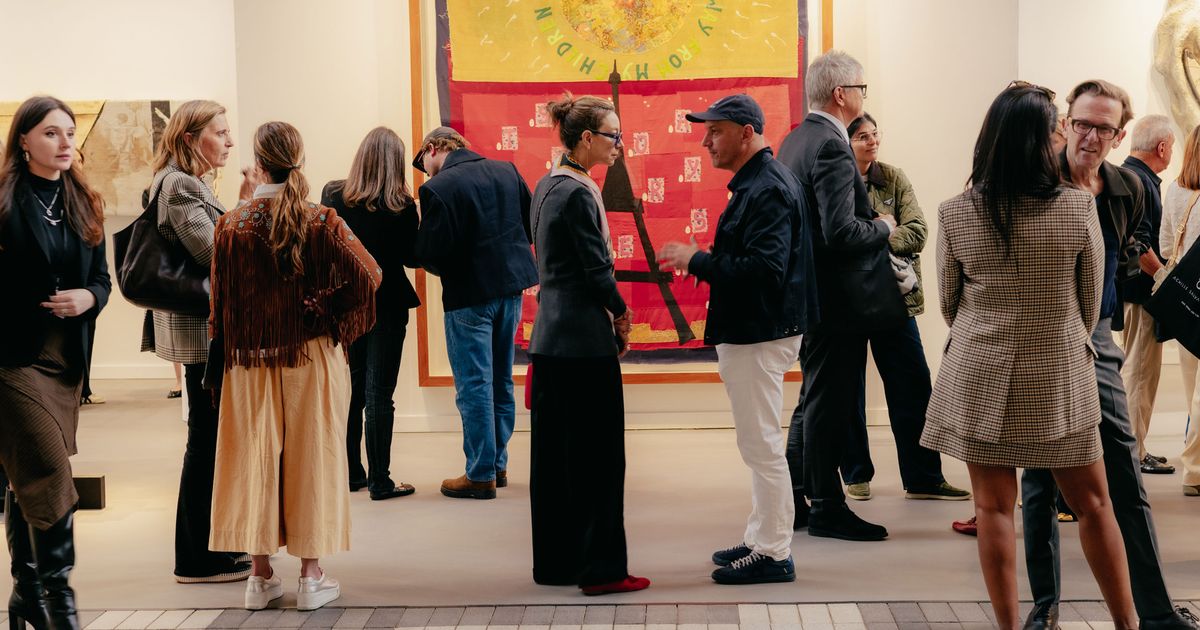
At Frieze New York With the Art-World Elite

Frieze New York 2026 opened at the Shed with 68 galleries from 26 countries, marking the fair's 15th year. The event drew art-world elite including curators, gallery owners, and advisers, with notable attendees such as Paulina Kolczynska, Jim Kelly, Larry Ossei-Mensah, and Ludlow Bailey. Latin American and African galleries had a strong presence, and conversations highlighted increased diversity and representation from the Global South. The fair is part of a broader art sprint that includes the Whitney and Venice Biennials, TEFAF, and the Independent Art Fair.
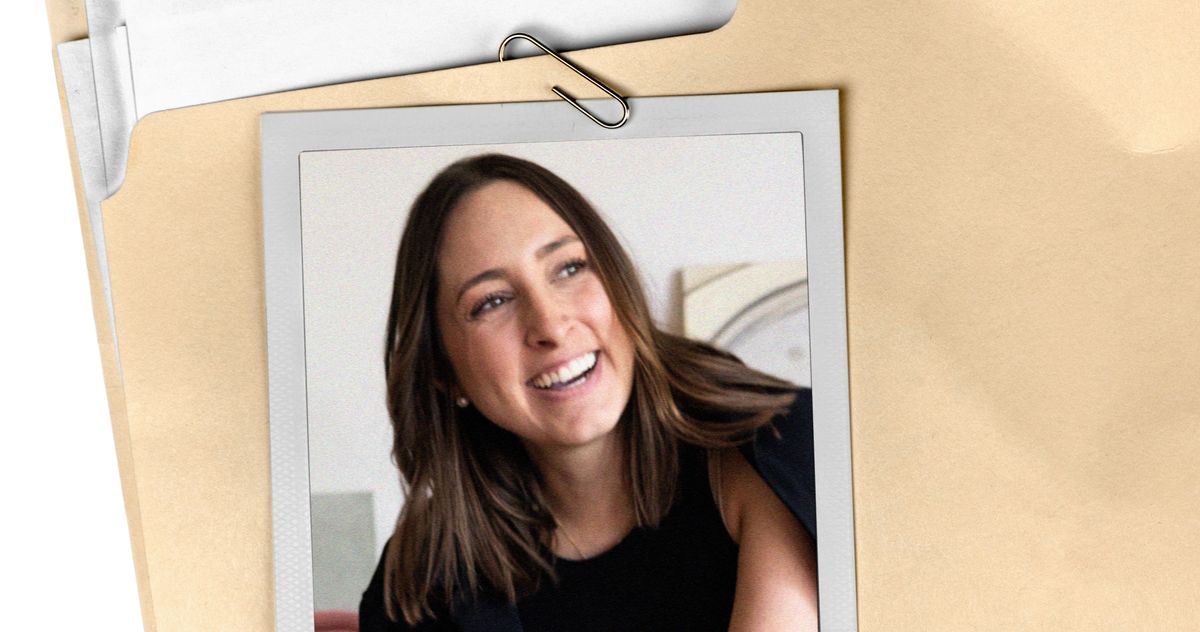
Fátima González Doesn’t Want You to Shy Away From Asking Your Art Questions

Fátima González, founder of Mexico City-based gallery Campeche, recounts her journey from working the front desk at Kurimanzutto to opening her own gallery. After earning a graduate degree at the School of Visual Arts in New York and returning to Kurimanzutto in sales, she left in February 2020, just before lockdown. During the pandemic, she planned her gallery, found a space in one day, and opened with a group show of all-women artists from Mexico City. Campeche is now making its Frieze New York debut.

The Enviable Life of a 1970s Soho Gallerist

Paula Cooper opened her pioneering gallery in Soho in 1968, betting on the then-desolate industrial neighborhood as artists began moving into its lofts. She cultivated deep, personal relationships with the artists she represented, such as Lynda Benglis and Joel Shapiro, as well as with other major figures like Jasper Johns, fostering a slower, more humane art world pace. Her success helped transform Soho into a major gallery district, attracting institutions like Sonnabend and Castelli.

The Six Female Artists With Major Solo Shows This Fall

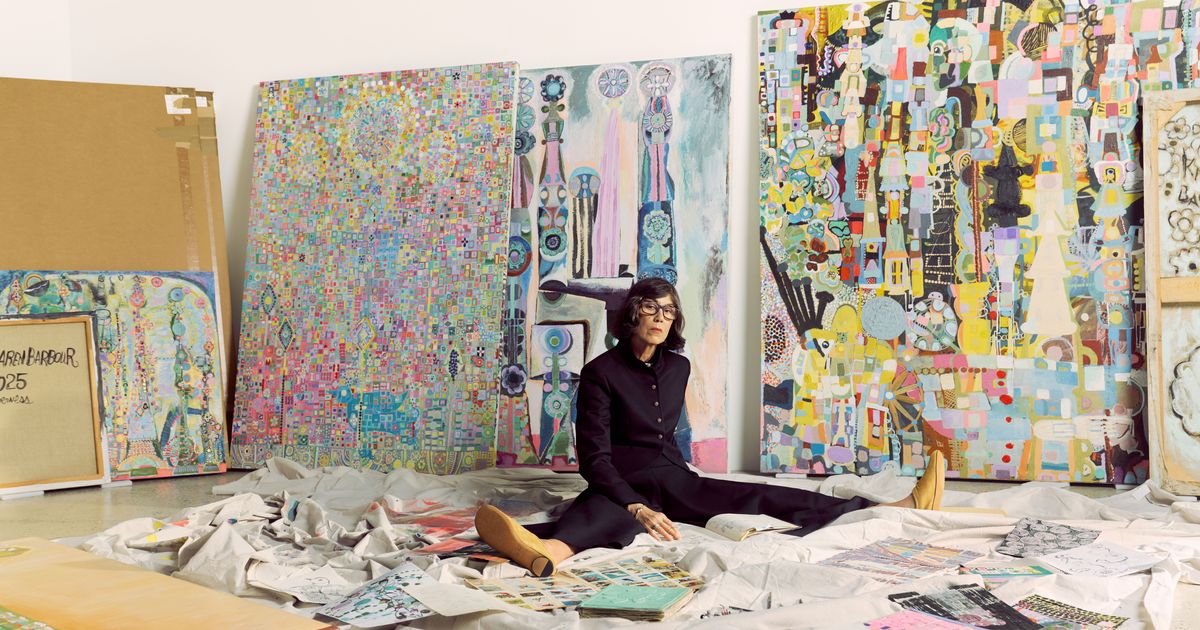
Six female artists—Karen Barbour, María Berrío, Ana Cláudia Almeida, Adebunmi Gbadebo, Sasha Gordon, and Olivia van Kuiken—are each opening major solo exhibitions in September. The article profiles their distinct practices, from Barbour's abstract dot-filled dreamscapes and Berrío's collaged visions to Gbadebo's sculptures using human hair and indigo dye. It includes first-person accounts from the artists about their creative processes, with exhibitions at venues such as Harkawik and Matthew Brown.