
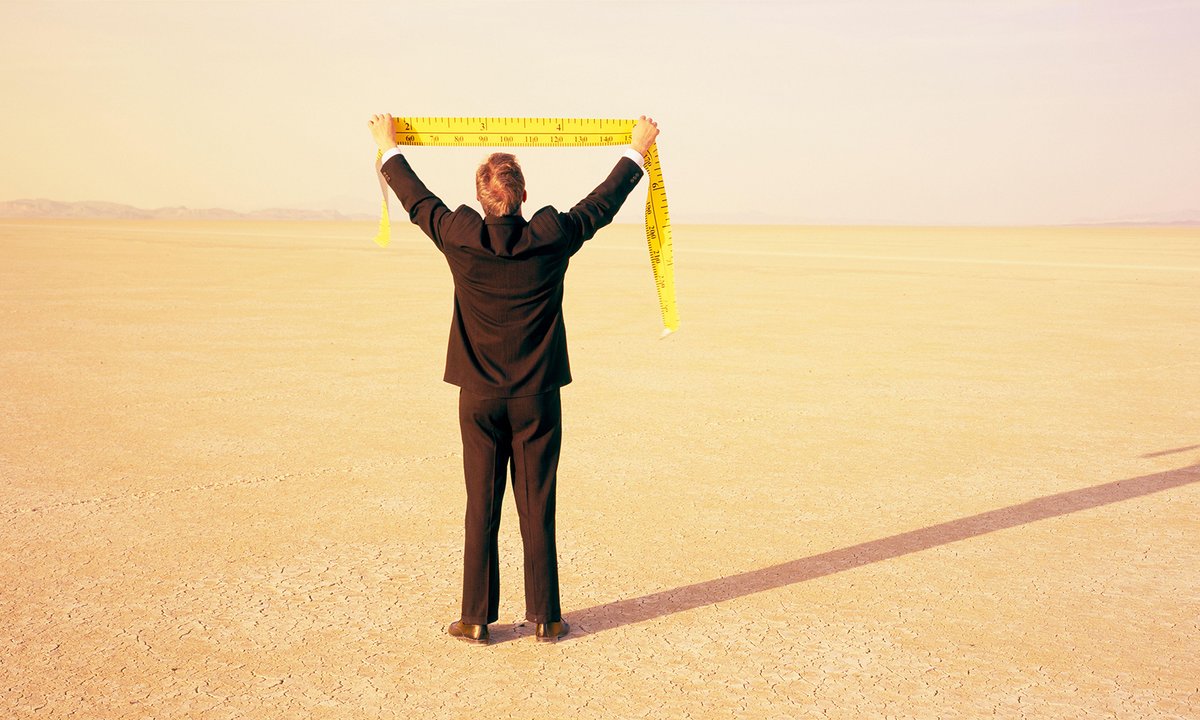
The article reflects on the art market's turbulent 2025, marked by gallery closures, weak auction results, and canceled art fairs. Rather than viewing this as a collapse, the author argues it represents a necessary "right-sizing" of an industry that over-expanded during boom years. Key figures like Philip Hoffman of the Fine Art Group advocate for leaner, more agile business models, such as his new advisory firm New Perspectives Art Partners. Meanwhile, dealers in New York and Los Angeles are adapting through shared exhibition spaces and strategic mergers, including Marian Goodman Gallery hosting Jenkins Johnson Gallery and the formation of Hoffman Donahue.
This matters because it signals a structural shift in the art trade away from speculative growth toward sustainability and collaboration. The article challenges the assumption that bigger is always better, suggesting that the industry may emerge wiser and more resilient. These adaptations—shared spaces, smaller advisory firms, and cross-coastal partnerships—could redefine how galleries and dealers operate in a post-boom era, making the art world more accessible and less vulnerable to market volatility.