
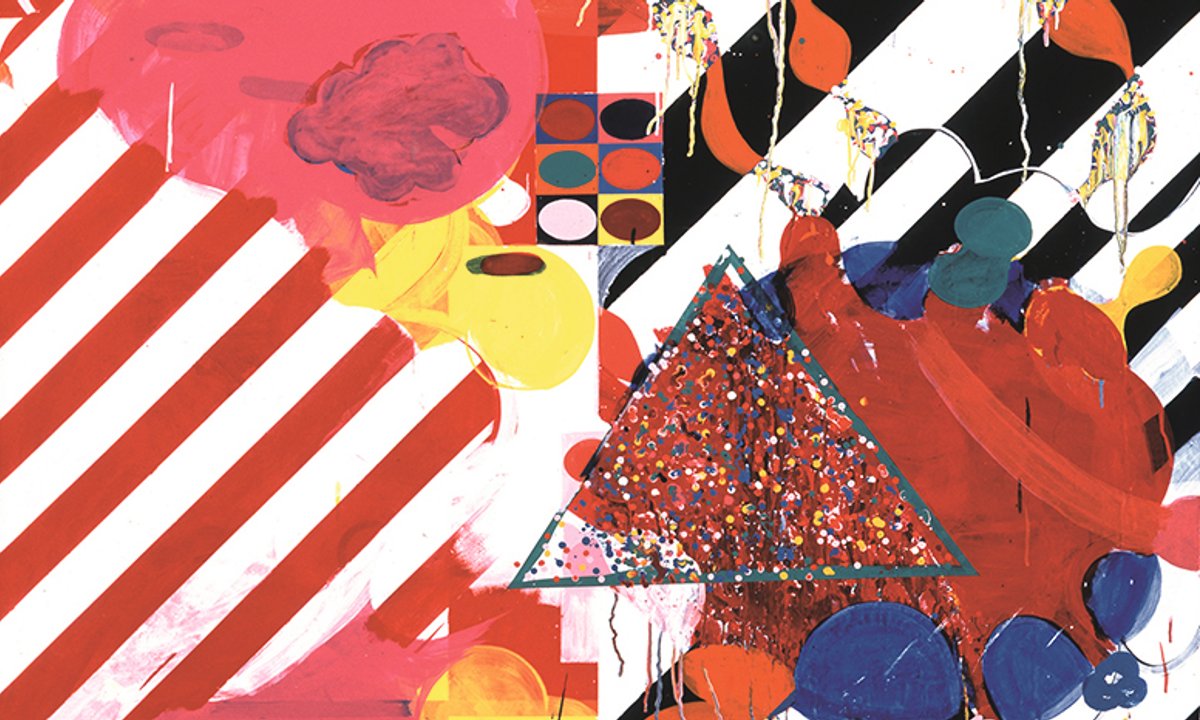
The National Museum of Modern Art, Tokyo (Momat) is presenting "Anti-Action: Artist-Women’s Challenges and Responses in Post-war Japan," an exhibition that highlights the work of women artists in 1950s and 1960s Japan. Curated by Hajime Nariai, the show features Yayoi Kusama alongside figures like Atsuko Tanaka, Tsuruko Yamazaki, and Hideko Fukushima, as well as ten lesser-known artists whose names have been largely forgotten. The exhibition uses the term "anti-action," coined by art historian Izumi Nakajima, to describe these artists' shared determination to resist the dominant masculine ethos of action painting and Eurocentric art trends, instead forging their own unique practices.
This exhibition matters because it challenges a biased art historical narrative that has systematically overlooked women artists in post-war Japan, despite their significant achievements—such as Kinuko Emi becoming the first woman to represent Japan at the Venice Biennale in 1962. By recovering forgotten works and re-evaluating critical responses from the era, the show not only corrects the record but also underscores how gender bias in art criticism and historiography has shaped which artists are remembered. It gives these pioneering women a renewed visibility and a rightful place in the canon of modern Japanese art.