
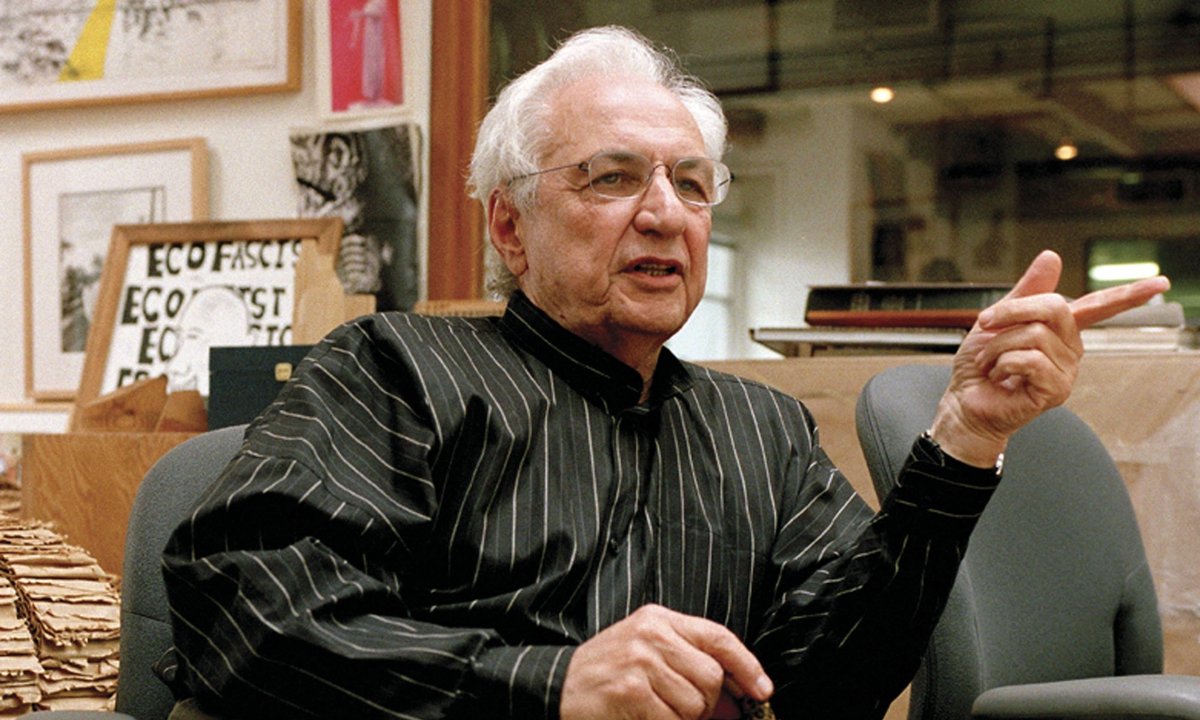
Frank Gehry (1929-2025) is remembered as the ultimate artist's architect, a figure whose career was deeply intertwined with the visual arts. The article highlights his lifelong friendships with numerous Los Angeles artists, his design of exhibitions for them, and his creation of iconic art museums like the Museo Guggenheim Bilbao (1997) and the Fondation Louis Vuitton in Paris (2014). Gehry believed his buildings offered artists a strong alternative to the white cube, and he renovated museums such as the Geffen Contemporary at MOCA and the Philadelphia Museum of Art with a remarkably light touch. His early exposure to art through a ceramics course with Glen Lukens at USC helped steer him toward architecture.
This matters because Gehry's legacy redefined the relationship between architecture and art, proving that museums could be both sculptural masterpieces and functional spaces that inspire artists. His approach challenged conventional museum design, prioritizing the needs of artists over the preferences of museum directors. By listening to artists for decades and incorporating industrial materials inspired by their work, Gehry created buildings that are themselves works of art, influencing how art is displayed and experienced globally. His death marks the end of an era, but his impact on museum architecture and the art world endures.