
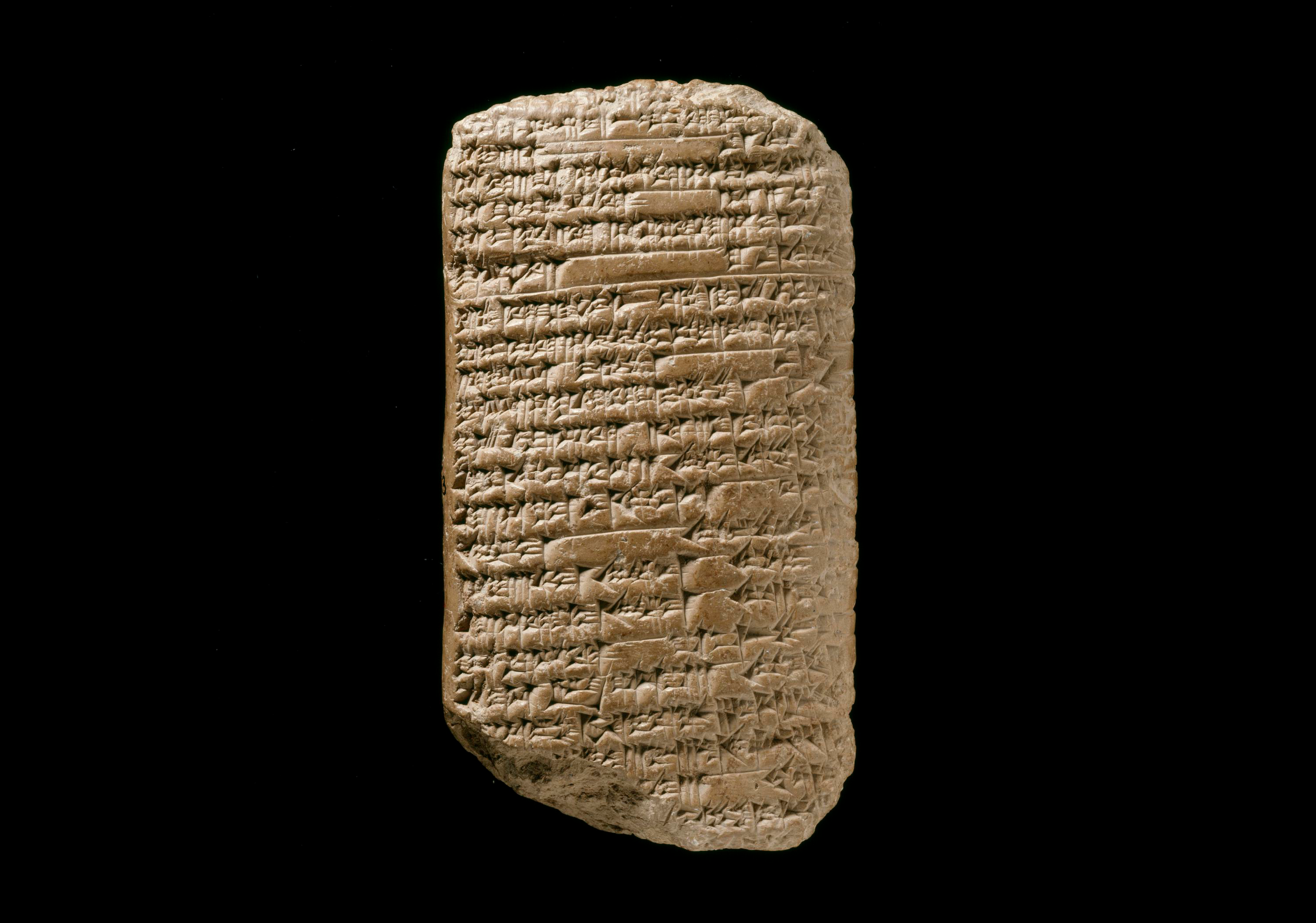
The article explores the discovery and significance of the Amarna Letters, a collection of 382 clay tablets found in the ancient Egyptian city of Amarna. Initially dismissed as forgeries due to their unusual material (clay instead of papyrus) and language (cuneiform Akkadian, not Egyptian), the letters date to the 14th century B.C.E. and were written by vassal rulers and rival kings to the pharaoh, primarily Akhenaten. They document diplomatic correspondence, including reports on trade, governance, and military operations, as well as gift exchanges and marriage proposals between equal powers.
These letters matter because they provide a rare, direct window into the diplomatic networks and geopolitical relations of the ancient Near East, revealing a sophisticated system of codified rules and customs. Their preservation—likely both for practical record-keeping and sentimental value—underscores their role as ceremonial artifacts as well as administrative documents. The article is part of a series, "The Hunt," which focuses on historically significant lost or legendary treasures.