
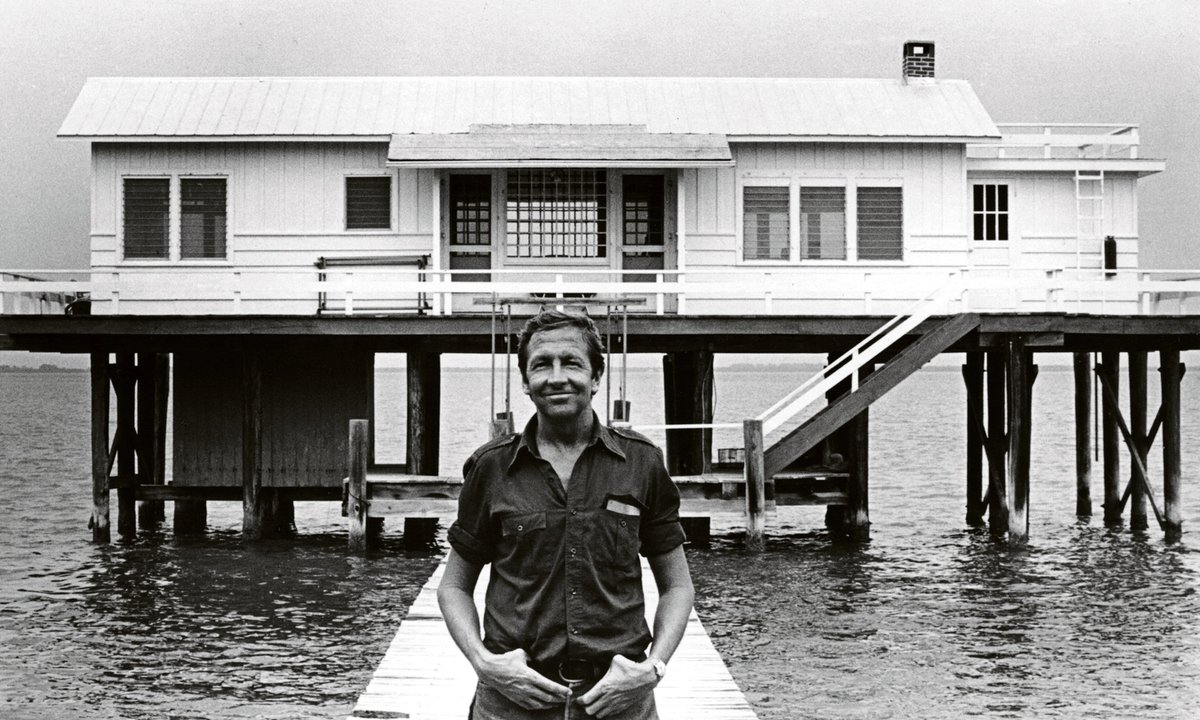
Robert Rauschenberg (1925-2008), described by critic Robert Hughes as "the most important American artist of the last century," spent four decades in Florida, where materials and collaborators from the state fueled breakthroughs like his scrap-metal sculptures and the Rauschenberg Overseas Cultural Interchange (Roci). As Miami Art Week unfolds, two projects mark his centennial: "Robert Rauschenberg: Real Time" at NSU Art Museum Fort Lauderdale (through April 2026) and the forthcoming book "Out of the Real World: Robert Rauschenberg at USF Graphicstudio." However, the Robert Rauschenberg Foundation announced it will end its Captiva Island residency and sell the artist's home and studio, prompting reflection on how Florida shaped his legacy.
This matters because Rauschenberg's Florida years were pivotal to his artistic innovation—from fabric works to scrap-metal assemblages—and the foundation's decision to close the residency marks a significant shift in preserving his legacy. The article also contextualizes Rauschenberg's move to Captiva within a broader post-war trend of artists leaving New York City, including Agnes Martin, Ellsworth Kelly, Jasper Johns, and Brice Marden. Understanding this chapter deepens appreciation of Rauschenberg's work and the institutional choices that affect how his history is remembered.