
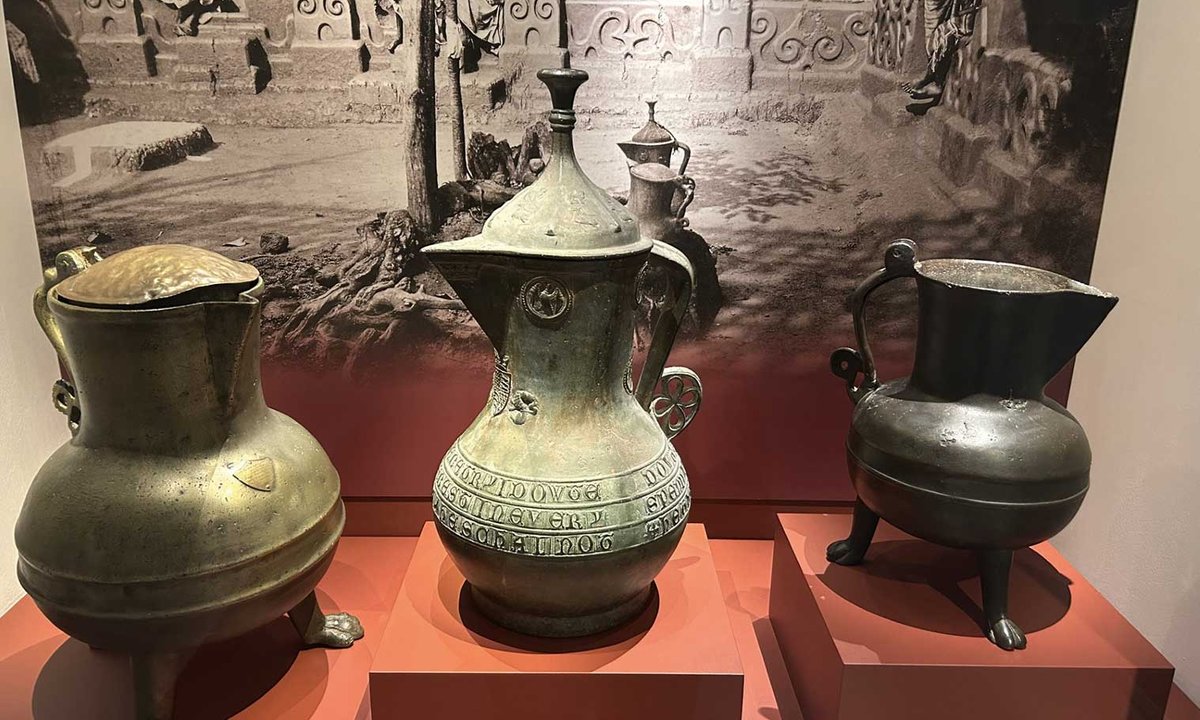
The British Museum is expected to loan the 14th-century Asante Ewer to Ghana on a long-term basis, following discussions between the Manhyia Palace Museum in Kumasi and the London institution. The ewer, made in England and later looted from the Asante royal palace in 1896, has been in the British Museum's collection ever since. Ivor Agyeman-Duah, director of the Manhyia Palace Museum, plans to travel to London to make a formal loan request on behalf of Asantehene Otumfuo Nana Osei Tutu II. The British Museum has already lent other looted artefacts to the Ghanaian museum, and the loan would likely be for three years, with Ghanaian authorities acknowledging British Museum ownership.
This development matters because it represents a significant shift in the British Museum's approach to contested colonial-era objects, as the institution now explicitly acknowledges the ewer as looted—a term it avoided until recent years. However, by agreeing to a loan rather than permanent restitution, Ghana effectively rules out any claim for full return, highlighting the ongoing tension between cultural cooperation and demands for repatriation. The case also raises questions about how such objects should be displayed: in European medieval galleries or African collections, reflecting their complex dual histories.