
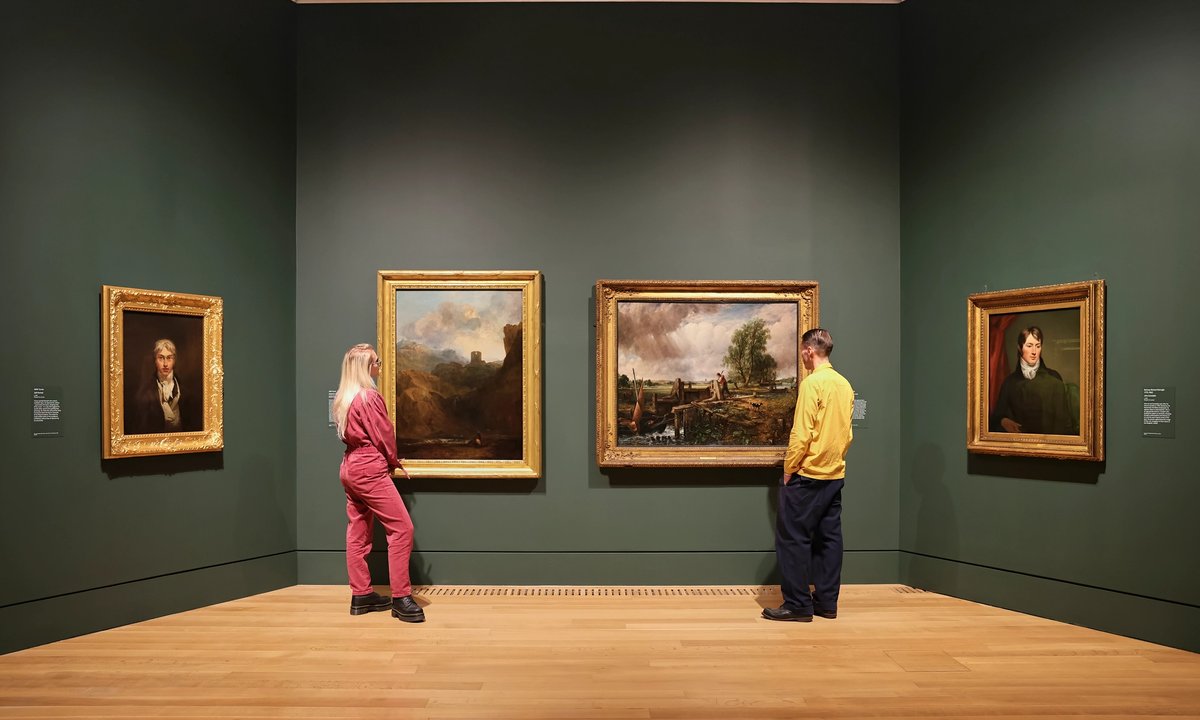
A commentary argues that John Constable, not J.M.W. Turner, was the truly radical painter, despite Turner receiving far greater public recognition through a museum, a prize, and a place on the £20 note. The article highlights a new exhibition, "Turner and Constable," opening at Tate Britain (until 12 April 2026), which recreates their 1831 Royal Academy display and contrasts Constable's English pastoral scenes with Turner's dramatic, un-British visions. It contends that Constable's full-size oil sketches, such as those at the Victoria and Albert Museum, had a deeper and more lasting effect on modern painting than Turner's work.
This matters because it challenges the long-held art historical narrative that Turner was the primary fire starter of Modern art, arguing that Constable's radical approach to painting—capturing light and atmosphere through plein-air studies—was more influential on subsequent generations of painters, from the Impressionists to contemporary artists. The piece also critiques institutional bias, noting the lack of a permanent gallery honoring Constable in his native Dedham Vale, and calls for a reassessment of his legacy in the visual art world.