
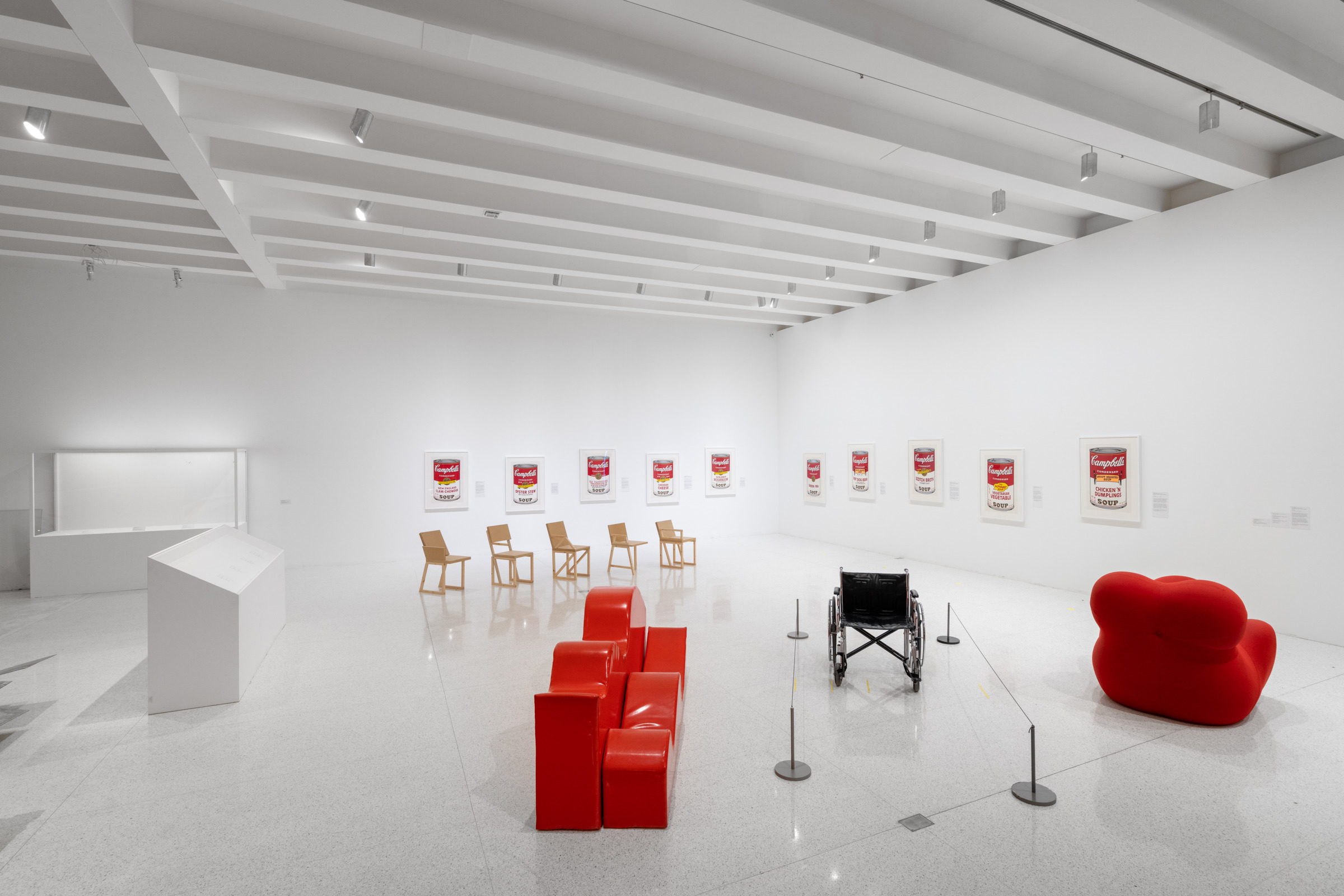
The Walker Art Center in Minneapolis developed a holistic, people-centered set of guidelines for accessible exhibition design, moving beyond legal ADA compliance. The project involved collaboration across curatorial departments, artists, d/Deaf and disabled staff and community members, and the Institute for Human Centered Design (IHCD). The guidelines were created in three stages: identifying the need, drafting and revising, and implementing, with strategies including cross-departmental working groups, targeted interventions for bottlenecks, shared terminology, and embodied learning for staff.
This case study matters because it offers a replicable model for museums seeking to embed accessibility as an ongoing, collaborative process rather than a checklist. By centering disabled voices and fostering shared accountability across an institution, the Walker demonstrates how cultural organizations can transform their exhibition-making practices to be genuinely inclusive, potentially influencing broader museum standards and visitor experiences.