
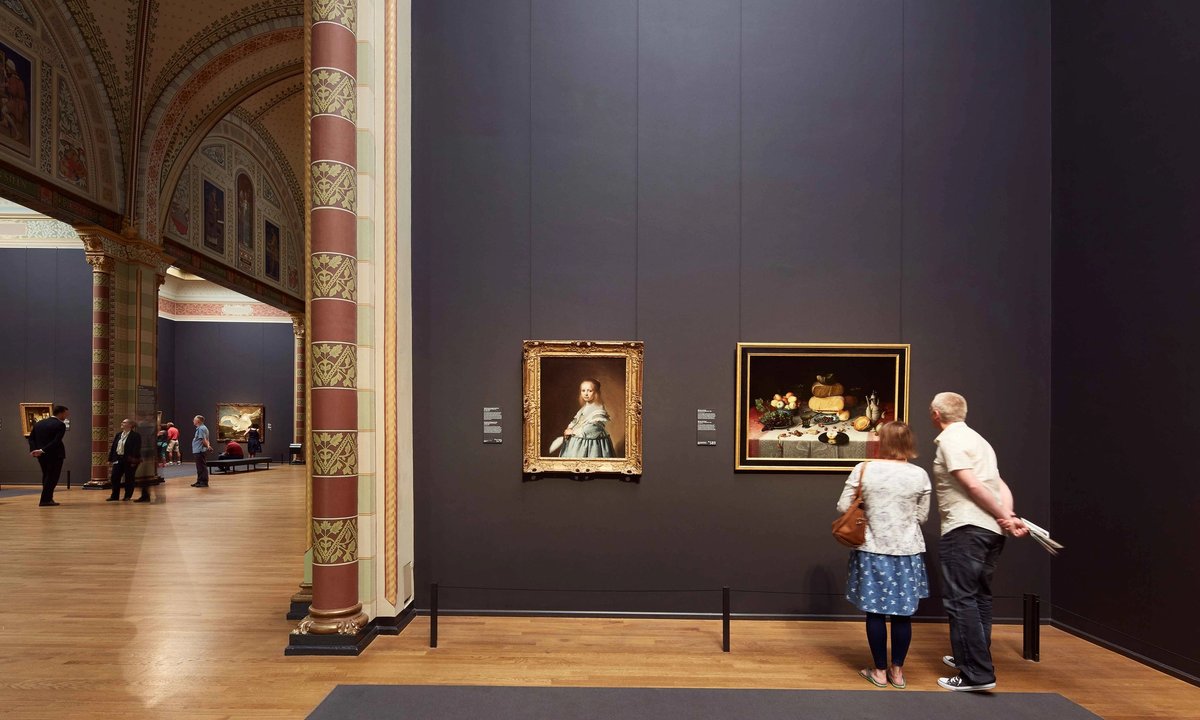
The Rijksmuseum in Amsterdam is participating in an 18-month scientific study, funded by a $200,000 research prize from the Michael J. Fox Foundation, to investigate whether viewing art can reduce symptoms of Parkinson’s disease. The study will compare three groups: one that does not engage with art, one that visits the Rijksmuseum’s collection (including digital tours, free annual passes, and low-sensory evenings), and one that actively makes art. The research builds on a pilot study led by Bas Bloem, director of the Centre of Expertise for Parkinson and Movement Disorders at Radboudumc, which found that creative arts therapy reduced anxiety, stress, and tremors, and decreased hospital visits.
This matters because it represents a rigorous, large-scale effort to quantify the therapeutic benefits of visual art for a specific neurological condition, potentially shifting how healthcare systems view art as a non-pharmacological intervention. If successful, the study could pave the way for integrating museum visits into Parkinson’s treatment protocols, reduce healthcare costs, and open new research avenues for other brain disorders. The involvement of a major national museum like the Rijksmuseum also signals growing institutional commitment to art’s role in public health.