
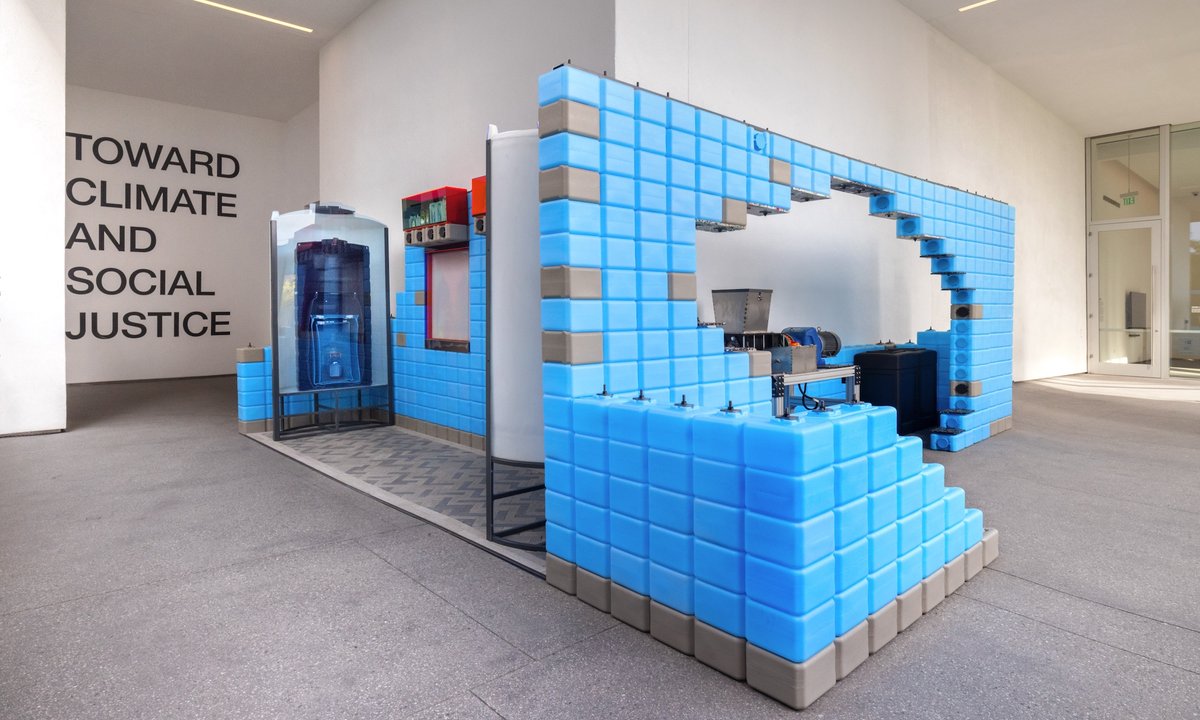
The Getty has released a comprehensive climate impact assessment of its PST Art initiative, titled Art & Science Collide (2024-25), based on its inaugural Climate Impact Program (CIP). Developed with climate adviser Laura Lupton and artist Debra Scacco, the program offered webinars, guidance, and networking to participating institutions, with over two-thirds completing a climate impact report. Key findings include that air travel and air freight of art are the most carbon-intensive activities, and shifting to sea freight could reduce total emissions by 18%. Many institutions adopted simple waste-reduction strategies, with some committing to permanent sustainability changes.
This matters because it provides the first large-scale, standardized data on the environmental toll of museum exhibitions, offering a model for an industry struggling to measure and reduce its climate impact. The findings will shape the next PST Art edition in 2030 and could influence how cultural organizations worldwide approach sustainability, moving beyond pledges to actionable, measurable change. The report demonstrates that voluntary, flexible programs can achieve significant participation and waste reduction, potentially transforming exhibition practices across the art world.