
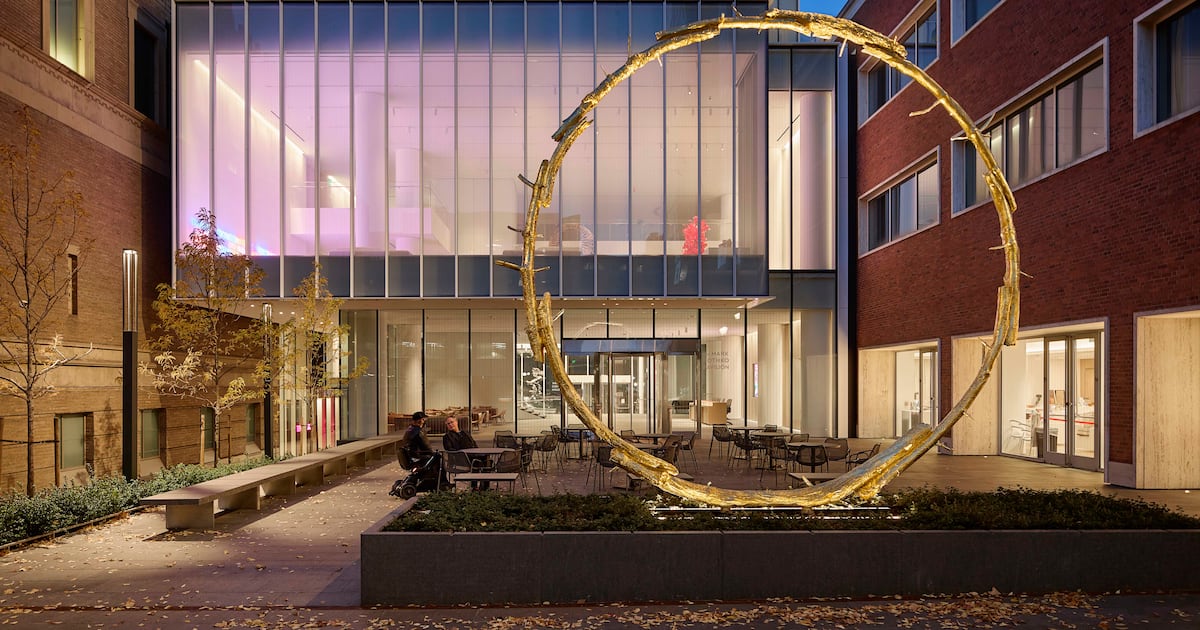
The Portland Art Museum (PAM) will reopen its completely transformed campus on November 20 after nine years and $111 million in renovations. The centerpiece is the Mark Rothko Pavilion, a glass structure that provides a new intuitive entrance and connects the museum's two historic buildings—the Main Building (designed by Pietro Belluschi in 1932) and the Mark Building (a former Masonic temple from 1924). The renovation eliminates the confusing underground tunnel that previously caused visitors to miss entire exhibitions, replacing it with a media gallery and accessible hallways across four floors. The project also includes a public passageway open 24/7, addressing earlier community backlash over plans to close a walkway.
This renovation matters because it solves a long-standing navigational problem that had become a local joke—getting lost in the museum was practically a Portland rite of passage. By creating a seamless, welcoming campus, PAM aims to enhance visitor experience and increase accessibility, potentially boosting attendance and engagement. The new Rothko Pavilion also honors the museum's connection to the famed abstract expressionist Mark Rothko, who grew up in Portland and took his first art classes at PAM. An exhibition of eight Rothko paintings from his children's collection will open alongside the pavilion, reinforcing the museum's cultural significance and its role in preserving local artistic heritage.