
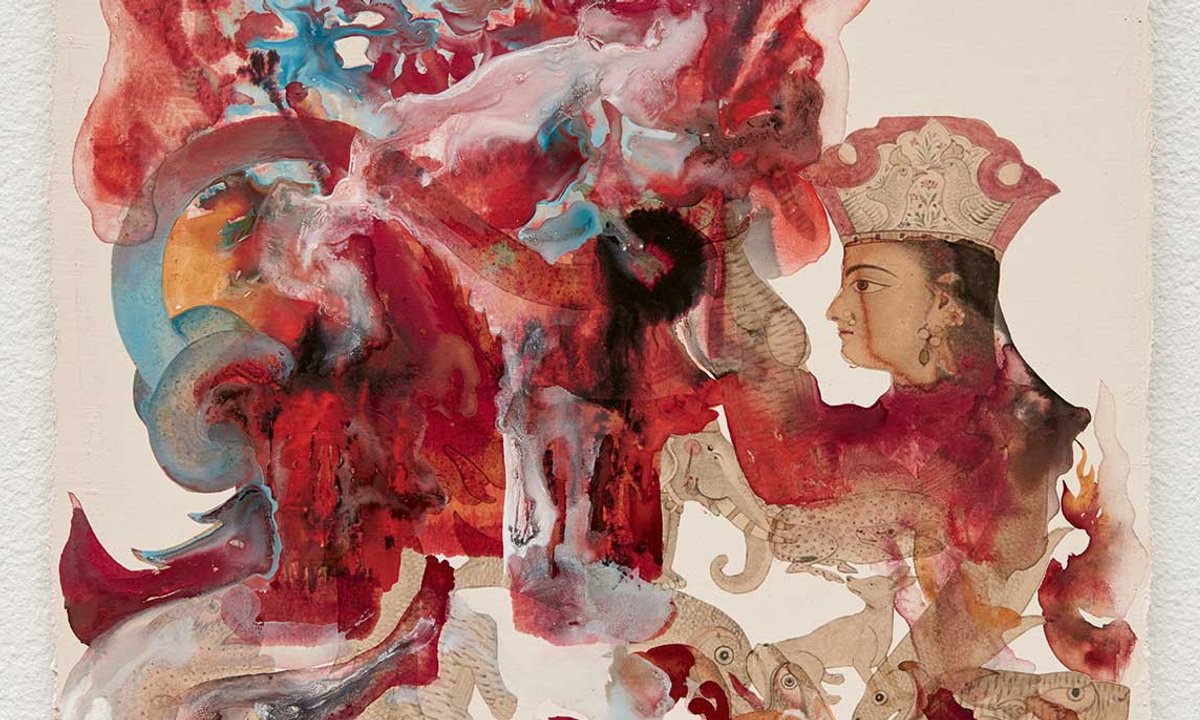
Shahzia Sikander, a Pakistani artist born in Lahore after the Partition of India, is the subject of a new monograph by art historian Jason Rosenfeld. The article traces her rise from the National College of Arts (NCA) in Lahore, where she studied contemporary miniature painting—a genre uniquely associated with Pakistan—to international prominence. It highlights her graduate thesis, *The Scroll* (1989-90), which used the traditional Indo-Persian miniature form to critique General Zia ul Haq's military dictatorship, and positions her alongside Imran Qureshi as one of the best-known living artists of Pakistani origin.
The article matters because it contextualizes Sikander's work within Pakistan's complex cultural and political history, showing how the country's art emerged from the visual traditions of the Indian subcontinent and Islamic world, filtered through global modernism and political trauma. By examining the NCA's legacy, the British colonial influence on art education, and the Neo-Miniaturist movement, the piece underscores how contemporary artists like Sikander use traditional forms to address personal and political issues, offering a lens into Pakistan's evolving identity and its place in the global art world.