
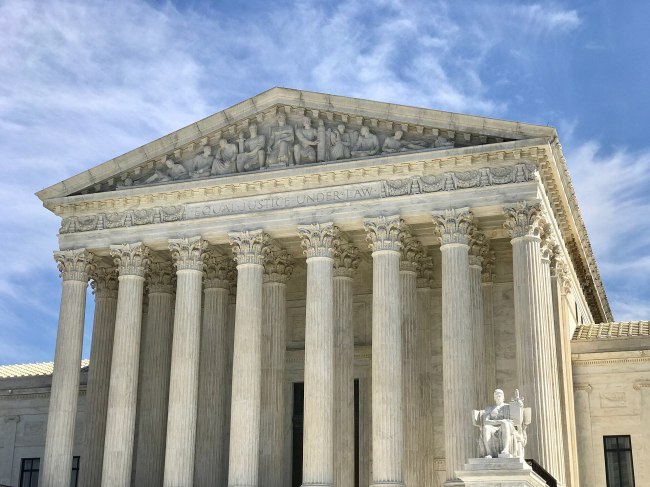
The US Supreme Court declined to hear an appeal from computer scientist Stephen Thaler, who sought to copyright an artwork generated by his AI system, the Creativity Machine. This decision upholds a lower court ruling that affirmed the US Copyright Office's rejection, which was based on the requirement that a human being must be the author of a creative work for it to be eligible for copyright protection.
The ruling solidifies a critical legal boundary in the rapidly evolving field of AI-generated art, explicitly stating that copyright law, as written, protects only human authorship. While the decision maintains the status quo, it leaves open the possibility for human artists who use AI as a tool to secure copyright, highlighting the ongoing need for legislative clarity as technology continues to challenge traditional definitions of creativity and ownership.