
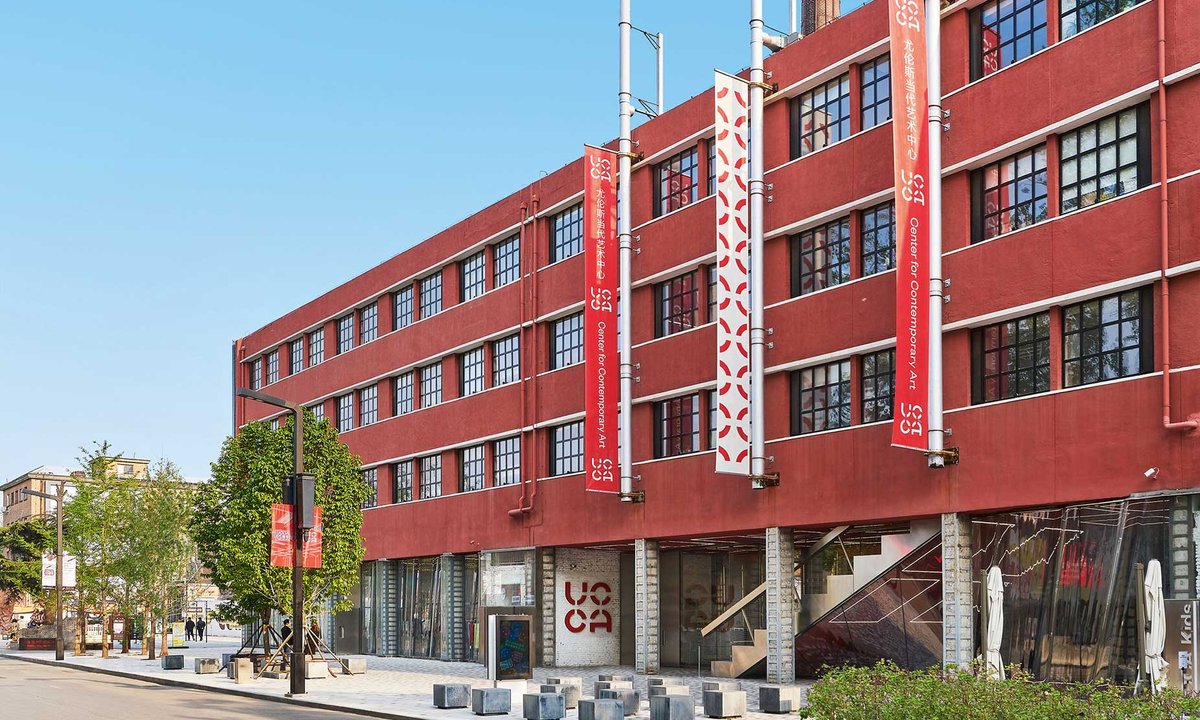
China's private museum sector, which boomed in the 2010s with hundreds of new institutions often tied to property developments or vanity projects, is now contracting. Notable closures include Guangzhou's Times Museum (shuttered in 2022, later relaunched as a project space), OCAT Shanghai (closed indefinitely in 2021), and Qingdao's TAG Museum (suspended operations in 2024). Other prominent museums like Sifang Art Museum, Yinchuan MoCA, and Shanghai MoCA have scaled back, while Long Museum's future appeared uncertain after its owners auctioned part of their collection. The downturn follows the collapse of China's property sector, Covid-19 restrictions, and a broader economic slump.
This consolidation matters because it marks a shift from speculative, real-estate-driven museum building toward a more sustainable, focused model. Curator Li Anqi and UCCA director Philip Tinari describe the current period as a natural maturation, where founders are rethinking operations and channeling passion into smaller, more contained projects. The shakeout may ultimately strengthen China's art ecosystem by forcing institutions to prioritize curatorial vision and long-term viability over flashy expansion, potentially leading to a more resilient and credible private museum landscape.