
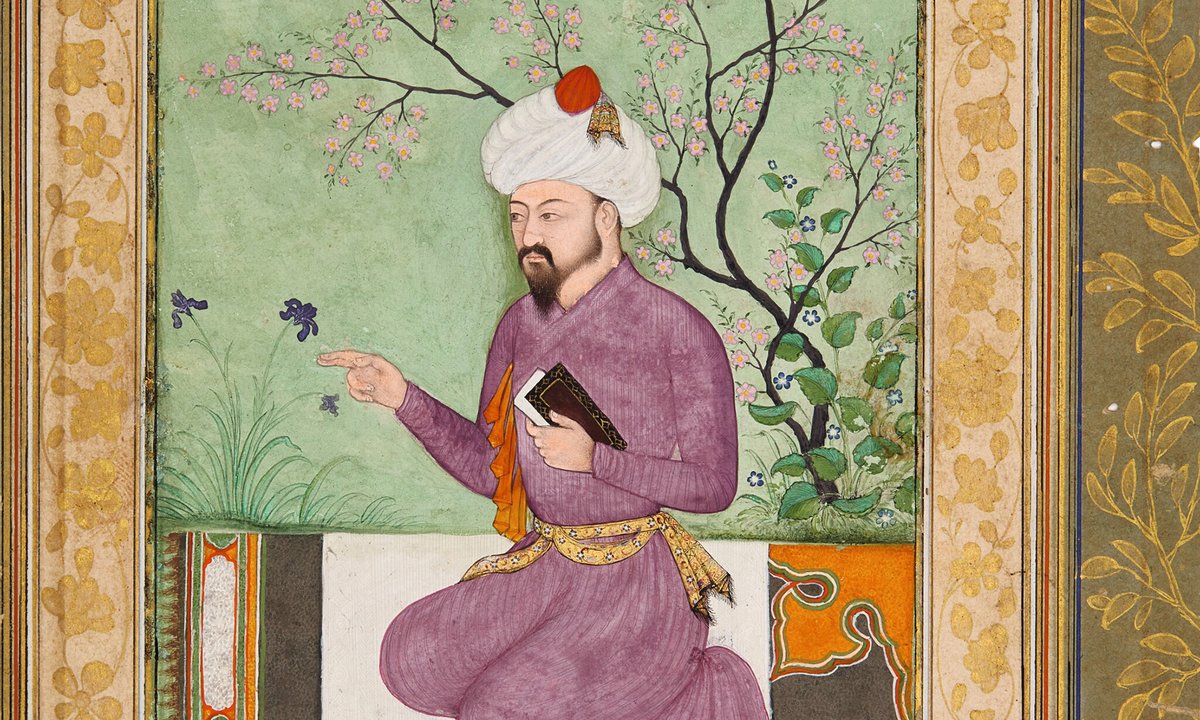
The article reports a significant shift in the Islamic art market, where traditional Persianate works from Iran are declining in sales and value, while art from India and historic Arab polities is rising. At Sotheby's April 2025 sale, 14 of 27 Persian works went unsold, continuing a long-term slump. Key factors include U.S. sanctions on Iran that restrict export of Iranian-origin works, aging collectors, maturing museums, and a generational shift away from classical art toward contemporary pieces. In contrast, Mughal art from India is experiencing a steady price increase, reflecting the repositioning of the market away from Persianate mainstays.
This matters because it illustrates how geopolitics, sanctions, and generational change can fundamentally reshape a global art market category. The decline of Persian art sales and the rise of Indian and Arab works signal a realignment of collecting tastes and capital flows, with implications for dealers, auction houses, and museums worldwide. The article also highlights the vulnerability of niche markets to external forces like international sanctions and the difficulty of sustaining demand when key collector bases shrink or become unable to participate.