
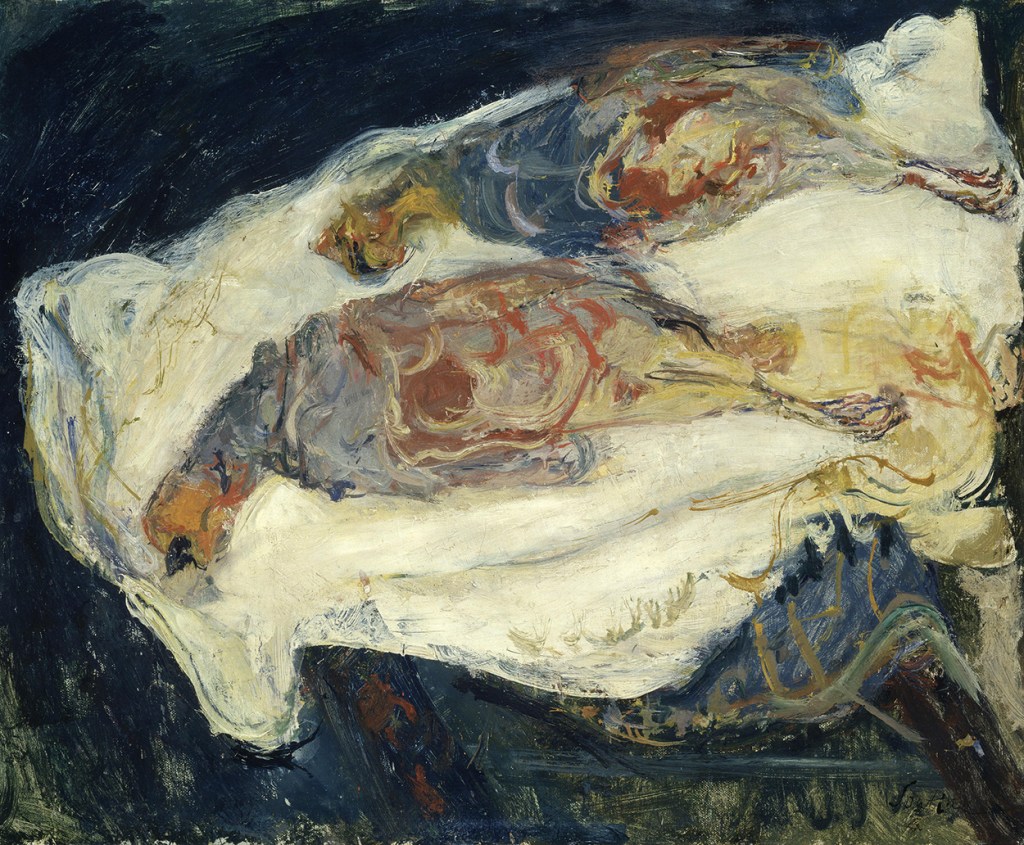
A new biography titled *Chaïm Soutine: Genius, Obsession, and a Dramatic Life in Art*, written by Celeste Marcus, explores the life and work of the early 20th-century painter Chaïm Soutine. Marcus argues that Soutine’s intensely visceral paintings—featuring dizzying landscapes, bloody carcasses, and penetrating portraits—are the key to understanding the artist, who left behind few personal records. The book challenges the tendency to read historical tragedy, particularly Soutine’s identity as an Eastern European Jew before WWII, into his turbulent brushwork, instead emphasizing the life force and internal logic of his compositions.
The biography matters because it reframes Soutine’s legacy, separating his art from the biographical and historical narratives that have often overshadowed it. By focusing on the paintings themselves and their formal innovations—such as the relational logic in works like *Group of Trees* (1922)—Marcus offers a fresh perspective on an artist whose work has been both celebrated and misunderstood. The book also highlights Soutine’s relationships with figures like Amedeo Modigliani and collector Albert Barnes, underscoring his place in the modernist canon alongside Matisse and Picasso.