
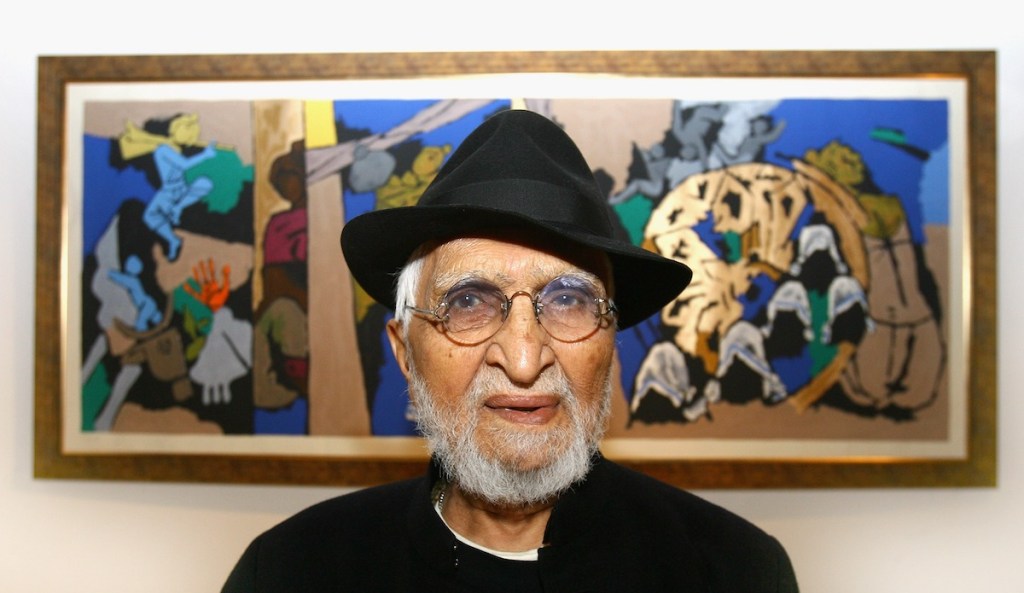
Indian officials have released a charge sheet in an ongoing investigation into the sale of forged paintings attributed to major modern Indian artists M. F. Husain, S. H. Raza, Manjit Bawa, and F. N. Souza. The alleged scheme involved a poor farmer, Raghavendra Parmar, who posed as a maharaja to sell fake works, aided by lawyer Vishwang Desai, who presented himself as a collector to persuade investment banker Puneet Bhatia to purchase the pieces. The paintings, collectively valued at around ₹17.9 crore ($2 million), were allegedly funneled through Mumbai's Rare Art Gallery, run by Rajesh Rajpal, and the related firm Art India International. A former IAS officer, Subroto Banerjee, is also implicated but denies involvement.
This case matters because it highlights persistent fraud in India's booming modern art market, where soaring prices—such as Husain's record $13.8 million sale at Christie's in March—create incentives for forgery. The investigation underscores vulnerabilities in authentication and provenance verification, especially as the market for Indian modernists grows globally. The upcoming opening of a Husain museum in Qatar further signals the artist's rising institutional stature, making the integrity of his market a pressing concern for collectors and institutions alike.