
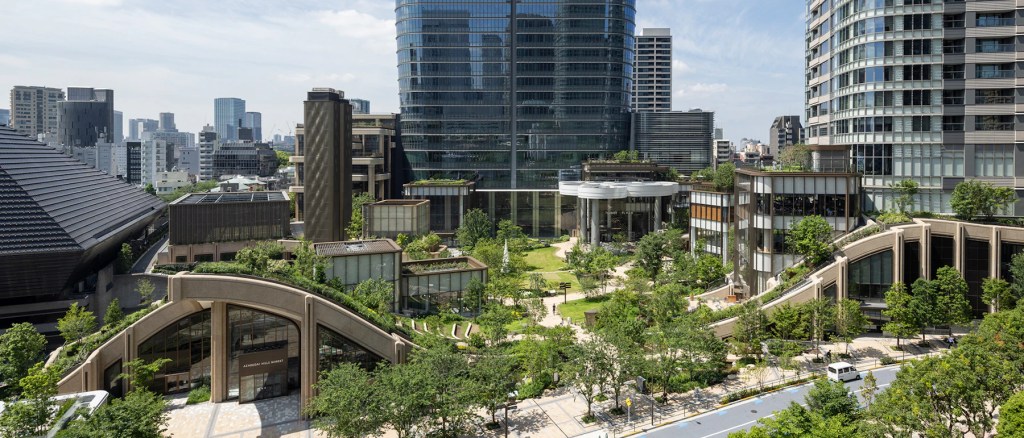
Kyoko Hattori, vice president of Pace Japan, expressed her ambition for Tokyo to become the center of art in Asia in a recent interview with the Japan Times. This comes one month after the third edition of Tokyo Gendai art fair closed with solid but unspectacular sales. Pace, now the only mega-gallery with a location in Tokyo, opened a space in the $4 billion Azabudai Hills development, a move seen locally as evidence that Tokyo has arrived as an international art hub. The article notes cautiously optimistic data: Japan saw 2 percent growth in art sales last year while the wider market contracted by 12 percent, and its primary competitors China and Korea saw drops of 31 and 15 percent respectively.
This matters because it signals a potential shift in the global art market's center of gravity. For decades, Japan's art scene was viewed as local and inward-looking, but the arrival of major galleries and international collectors suggests it is becoming more connected to the international art world. The article highlights that Japanese collectors are less focused on investment value and more on genuine appreciation, which suits the current market climate of slowness and restraint. However, structural challenges remain, including tax issues, though recent government reports call for reforms to increase art investment. If Japan can recruit more galleries and ease business conditions, it is "primed to become an important city for art," according to Pace CEO Marc Glimcher.