
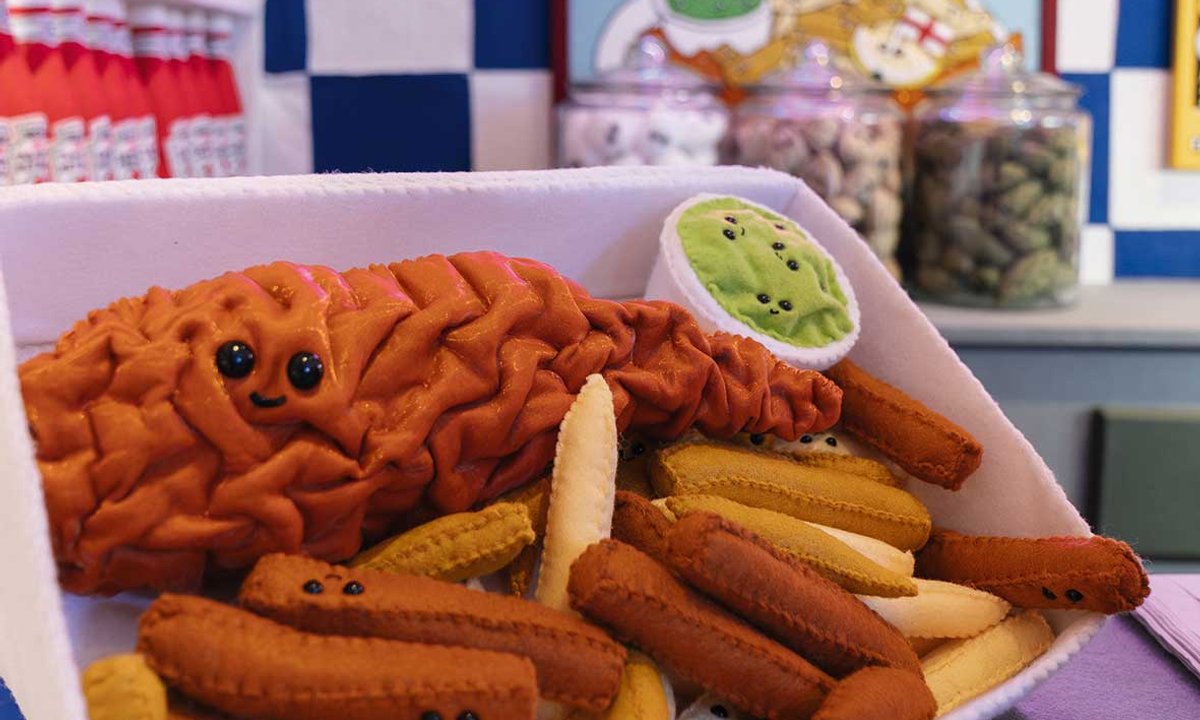
The article discusses how galleries are increasingly turning to merchandise and playful, low-cost art items to maintain public engagement during a downturn in the art market. It cites the example of Lucy Sparrow's hand-stitched felt fish and chip shop at Lyndsey Ingram gallery in London, which drew large crowds and media attention but generated far less revenue than traditional fine art sales. The piece notes that while the global art market fell 12% to $57.5bn in the past year, according to the Art Basel and UBS Art Market Report, galleries like Unit and Palmer are offering items such as Gavin Turk T-shirts and Andy Holden records to attract visitors.
This shift matters because it reflects a broader strategic divergence in the art world: some galleries are pushing high-end sales and real estate to the limit, while others are embracing joy and accessibility as a counterbalance to market pressures. Lyndsey Ingram argues that focusing solely on high returns can compromise artistic integrity, and that merchandise-driven shows serve as a gateway to deeper engagement. In a skeptical economic climate, these initiatives help keep art alive in public consciousness, even if they cannot replace lost revenue from traditional sales.