
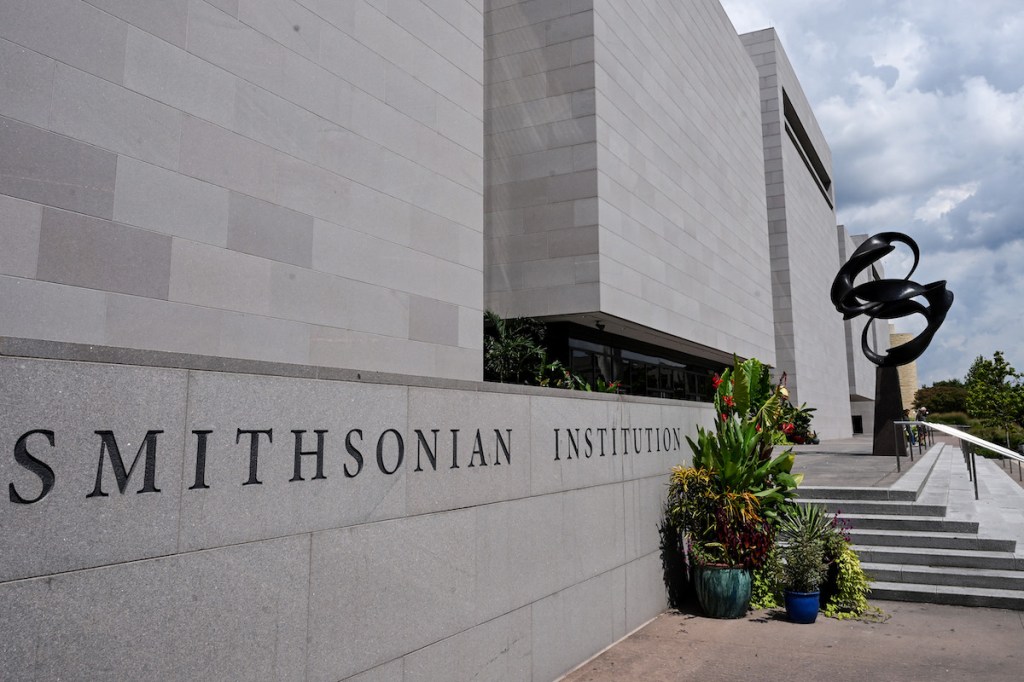
The Smithsonian Institution has been forced to close its 21 museums in Washington, D.C., due to an ongoing U.S. government shutdown that began on October 1. This follows the earlier closure of the National Gallery of Art. The Smithsonian had initially used its own funds to stay open, extending operations from an original October 6 closure date to October 11, but ultimately could not continue. The shutdown stems from a dispute between Democrats and Republicans over health care policy, and President Trump has suggested that furloughed federal workers may not receive back pay. The closures have already disrupted programming: the National Portrait Gallery postponed a portraiture competition exhibition, and the Smithsonian American Art Museum's planned Grandma Moses survey faces uncertainty.
This shutdown is the latest in a series of attacks on the Smithsonian by the Trump administration, which earlier this year issued an executive order denouncing the institution for promoting a "divisive, race-centered ideology" and released a list of condemned artworks related to migration and transgender identity. The controversy has reshaped the National Portrait Gallery, where director Kim Sajet resigned after Trump claimed to have fired her, and artist Amy Sherald canceled a traveling survey after alleging censorship over a painting of a Black trans woman. The closure not only disrupts public access to major cultural collections but also threatens the livelihoods of federal workers and raises broader questions about political interference in arts institutions.