
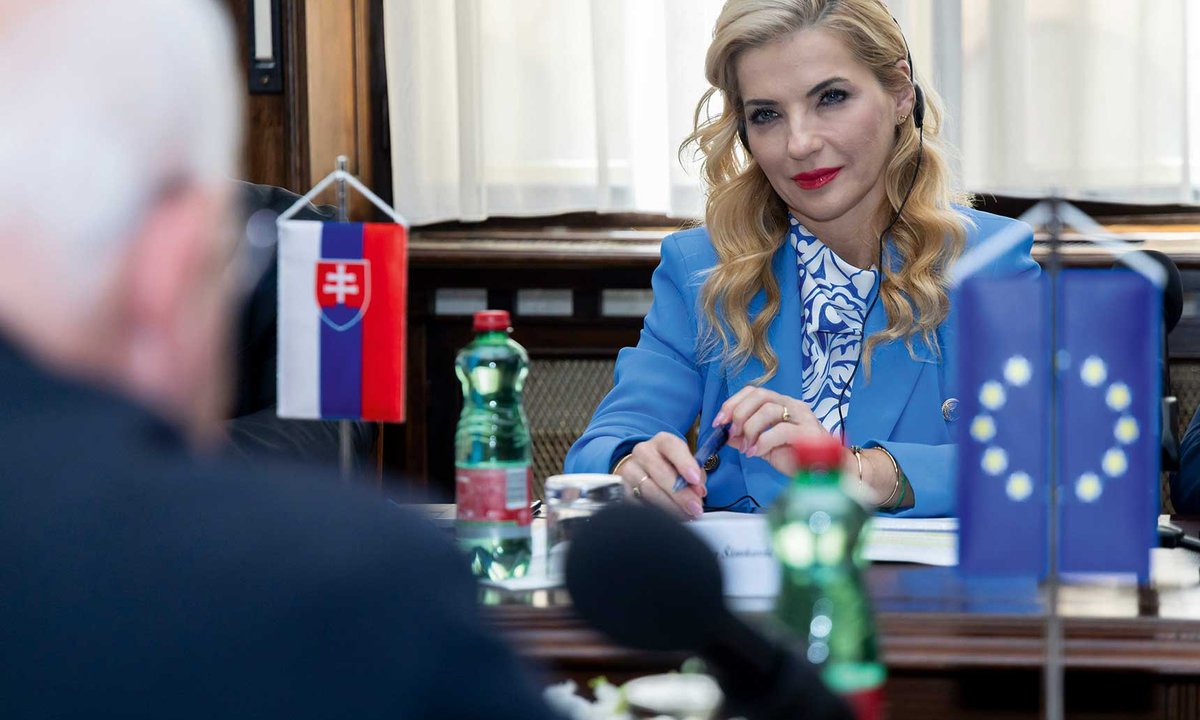
On 25 August, the Slovak National Gallery (SNG) removed a large permanent installation by artist Denisa Lehocká, claiming it needed the wall space for another exhibition. Lehocká says the removal violated her contract, which required her permission to move the fragile 15-metre-long work, and she had police present to record the event. This incident is the latest in a series of controversies at the SNG amid a broader conflict between Slovakia's art community and its populist government, led by Prime Minister Robert Fico and Culture Minister Martina Šimkovičová, who has fired multiple museum directors and been accused of purging the sector. In response, artists and curators have issued the Bratislava Declaration for Artistic Freedom, calling on the EU to adopt a European Artistic Freedom Act to protect creative expression.
This matters because it highlights a growing crisis of government interference in cultural institutions within an EU member state, raising concerns about democratic backsliding and the erosion of artistic freedom. The call for EU-level legislation represents a significant push to safeguard creative expression from political pressure, with potential implications for cultural policy across Europe. The mass resignations of SNG employees and the formation of activist groups like Otvorená Kultúra! (Open Culture!) underscore the severity of the conflict and the stakes for the visual arts community.