
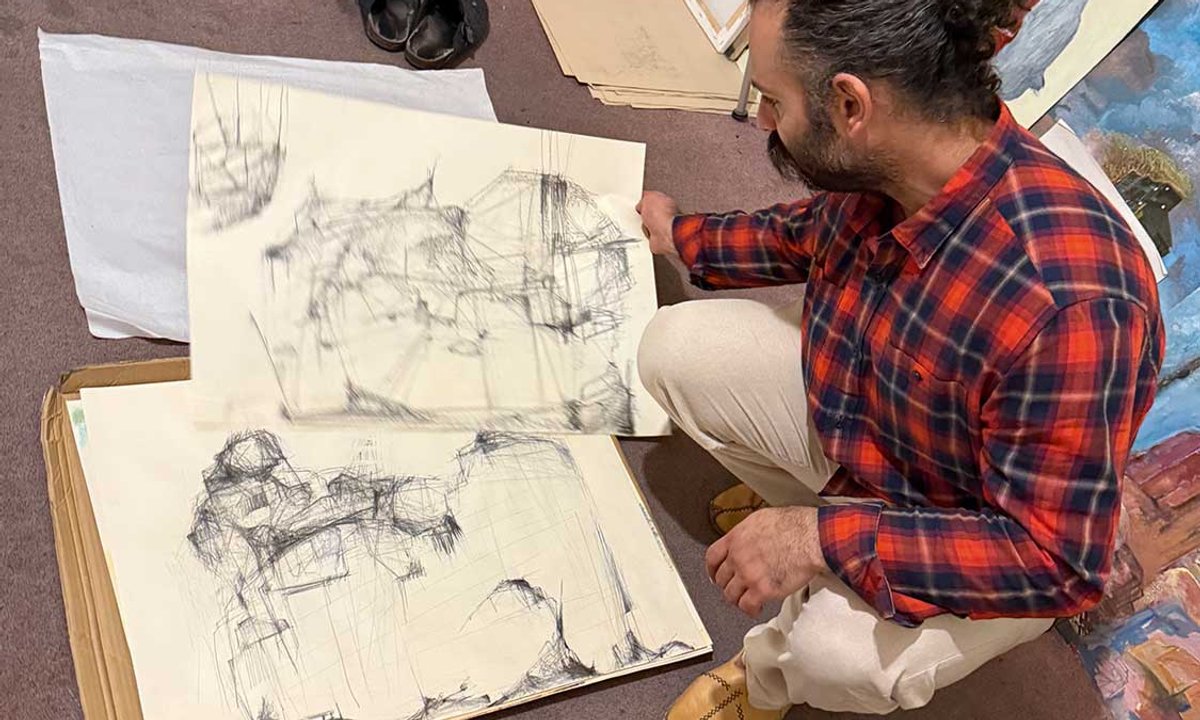
Tehran's art community is struggling to recover after the 12-day war between Israel and Iran in June 2025, which battered the economy, drove up inflation, and caused art sales to plummet as collectors tightened spending. Despite these challenges, galleries like 8Cube and O Gallery have shown resilience: 8Cube’s group show "Expectant," curated by renowned sculptor Bita Fayyazi and featuring 28 emerging artists, drew 1,500 visitors on its opening night in August, signaling a tentative return to cultural life. Gallery founders Aida Mofakham and Orkideh Daroodi describe a climate of uncertainty, with rising costs, electricity outages, and collectors shifting to gold and foreign currency instead of art.
This story matters because it highlights how geopolitical conflict directly impacts a vibrant but fragile art scene in a country already under economic strain. The determination of Tehran’s gallerists and artists to continue programming—despite existential doubts—underscores art’s role as a form of resilience and community bonding in crisis. The shift toward group shows and affordable price points reflects adaptive strategies that could reshape the local market, while the broader trend of collectors abandoning art for safer assets signals a potential long-term contraction in Iran’s art economy.