
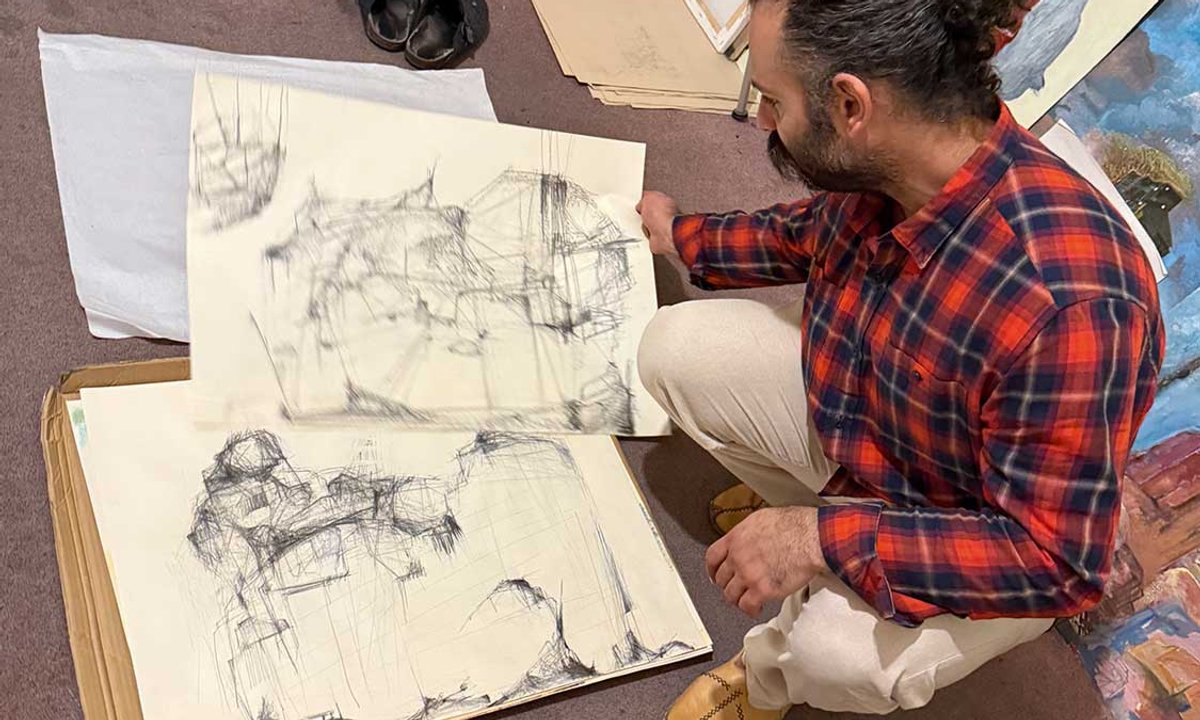
Tehran's art community is grappling with the aftermath of the 12-day war between Israel and Iran in June, which battered the economy, drove up inflation, and slowed art sales as collectors tightened spending. Despite these challenges, galleries like 8Cube and O Gallery are striving to maintain cultural life; on 1 August, 8Cube opened 'Expectant,' a group show curated by sculptor Bita Fayyazi featuring 28 emerging artists, drawing 1,500 visitors on its first night. Gallery founders Aida Mofakham and Orkideh Daroodi report plummeting sales, rising costs, and collectors shifting to gold or foreign currency, yet they emphasize resilience and adaptation.
This story matters because it highlights how geopolitical conflict directly impacts a vibrant but fragile art scene in Iran, where gallery hopping is a cherished cultural practice. The determination of Tehran's gallerists and artists to continue programming amid economic collapse, power outages, and existential uncertainty underscores art's role as a form of resistance and community bonding. It also reflects broader trends in emerging art markets where political instability and inflation threaten the sustainability of local art ecosystems.