
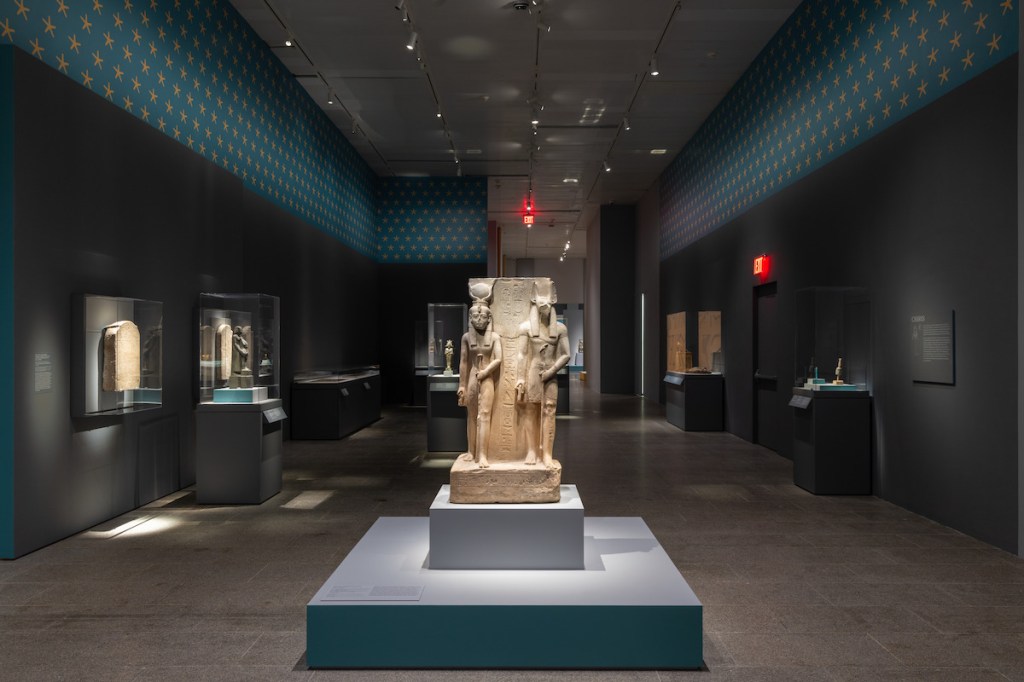
The Metropolitan Museum of Art in New York is set to open "Divine Egypt" on October 12, 2025, the museum's first large-scale exhibition of ancient Egyptian art since 2012. The show features 210 objects, including strange and surreal works such as a limestone block with carved ears, a snake with a woman's head, and a giant quartz diorite scarab representing the god Khepri. Curated by Diana Craig Patch with research associate Brendan Hainline, the exhibition focuses on about 25 of the 1,500 gods worshipped in ancient Egypt, presenting them in nonchronological mini-sections that highlight how divine iconographies were remixed and subverted over time. Most works come from the Met's own collection, with none on loan from Egypt.
This exhibition matters because it revives the tradition of Egyptian art blockbusters at the Met, following the legendary 1978 King Tut show that drew over a million visitors. While "Divine Egypt" is more low-key than its predecessor, it demonstrates the enduring public fascination with the mystery and unknowability of ancient Egyptian civilization. The show also underscores the Met's strength in mounting clear, purpose-driven exhibitions from its own holdings, even as it raises questions about the limits of historical understanding and the alien quality of ancient religious art.