
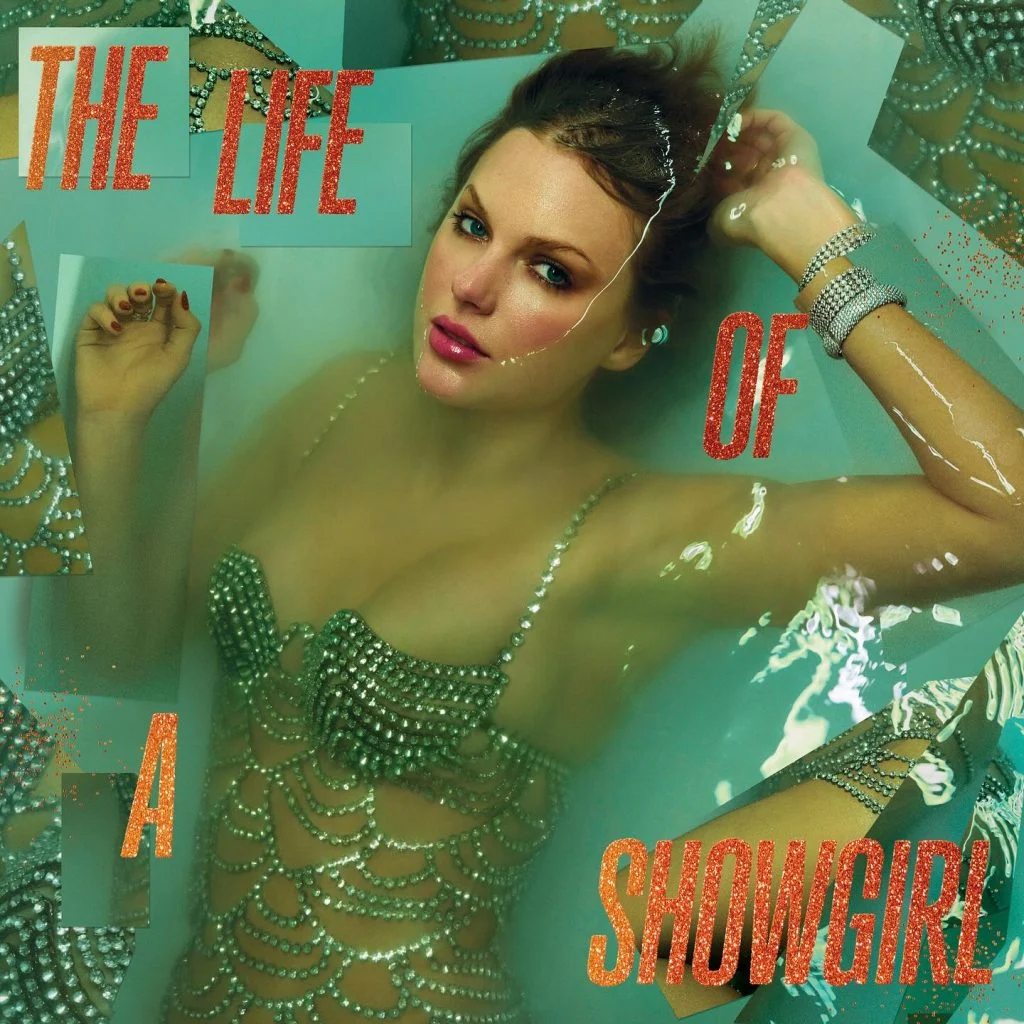
Taylor Swift's new album 'The Life of a Showgirl' includes a song titled 'The Fate of Ophelia,' which references the tragic character from Shakespeare's 'Hamlet.' The article draws a parallel between Swift's song and John Everett Millais's Pre-Raphaelite painting 'Ophelia' (1851–52), which depicts the character before her death. The Tate, which owns the painting, posted about the work to discuss the death of its model, Elizabeth Siddal, in 1862. Swift's album cover, showing her floating in water, has been compared to the Millais painting, but the song reimagines Ophelia's narrative with a happy ending tied to her relationship with Travis Kelce.
This article matters because it highlights how contemporary pop culture, through a major artist like Taylor Swift, continues to engage with and reinterpret canonical visual art and literature. The comparison between Swift's music and Millais's painting underscores the enduring power of artistic archetypes like Ophelia, while also sparking discussion about the real-life tragedy of Elizabeth Siddal. It reflects the ongoing dialogue between historical art and modern media, influencing how audiences perceive both the original works and new creative expressions.