
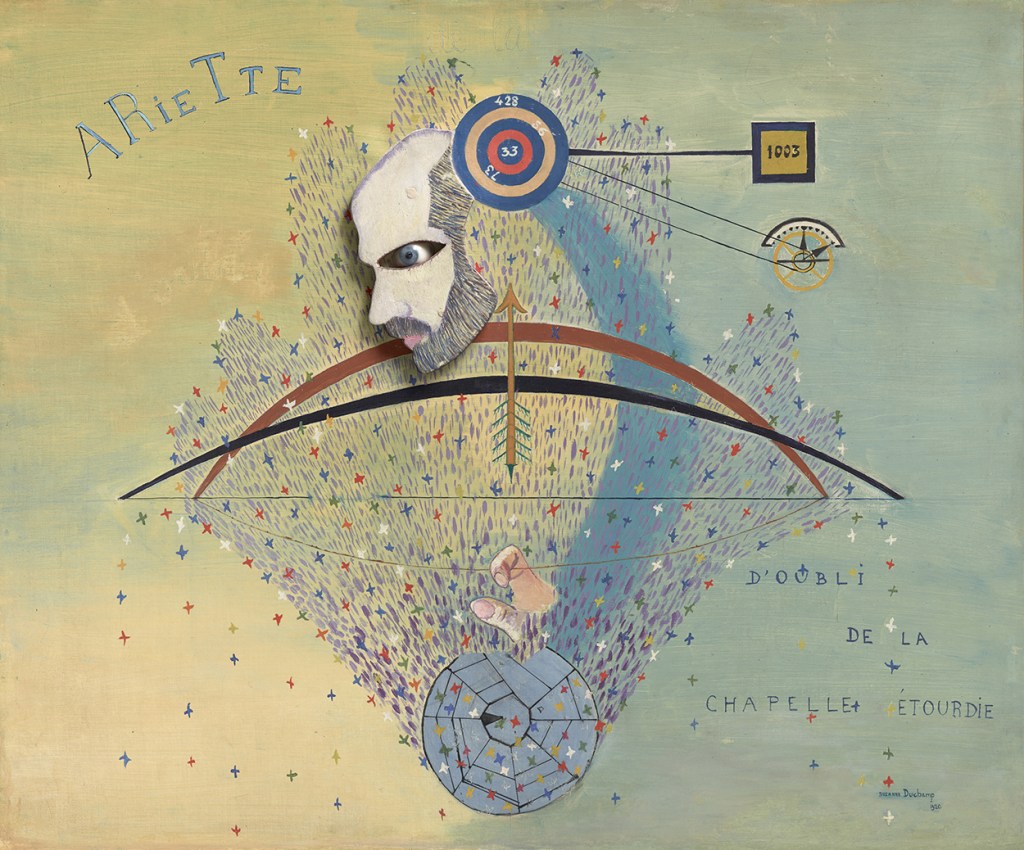
A new retrospective at Kunsthaus Zurich, soon traveling to Schirn Kunsthalle in Frankfurt, spotlights Suzanne Duchamp (1889–1963), a French artist often overshadowed by her brothers Marcel Duchamp, Raymond Duchamp-Villon, and Jacques Villon. The exhibition, titled “Suzanne Duchamp: Retrospective,” showcases her highly individual painterly practice rooted in Cubism and Dada, featuring works like *Radiation of Two Solitary Separates Apart* (1916–20) and *Marcel’s Unhappy Readymade* (1920), which reappropriates her brother’s readymade concept. The show includes a new catalog commission by painter Amy Sillman, who created digital drawings inspired by Duchamp’s formal dynamics.
This retrospective matters because it continues a vital trend of monographic exhibitions dedicated to underrepresented female artists, correcting historical biases that have long marginalized women in the avant-garde. By giving Duchamp her own narrative, the exhibition challenges the patriarchal framing of art history and highlights her unique contributions to Dada and modernist painting—particularly her blending of blingy materials, subjective emotion, and critical engagement with industrial modernity. It also underscores how Duchamp actively resisted living in her brother’s shadow, reasserting her agency as a painter.