
Roma e le sue visioni nella fotografia contemporanea: da Carbone a De Angelis, fino a Hervé Gloaguen
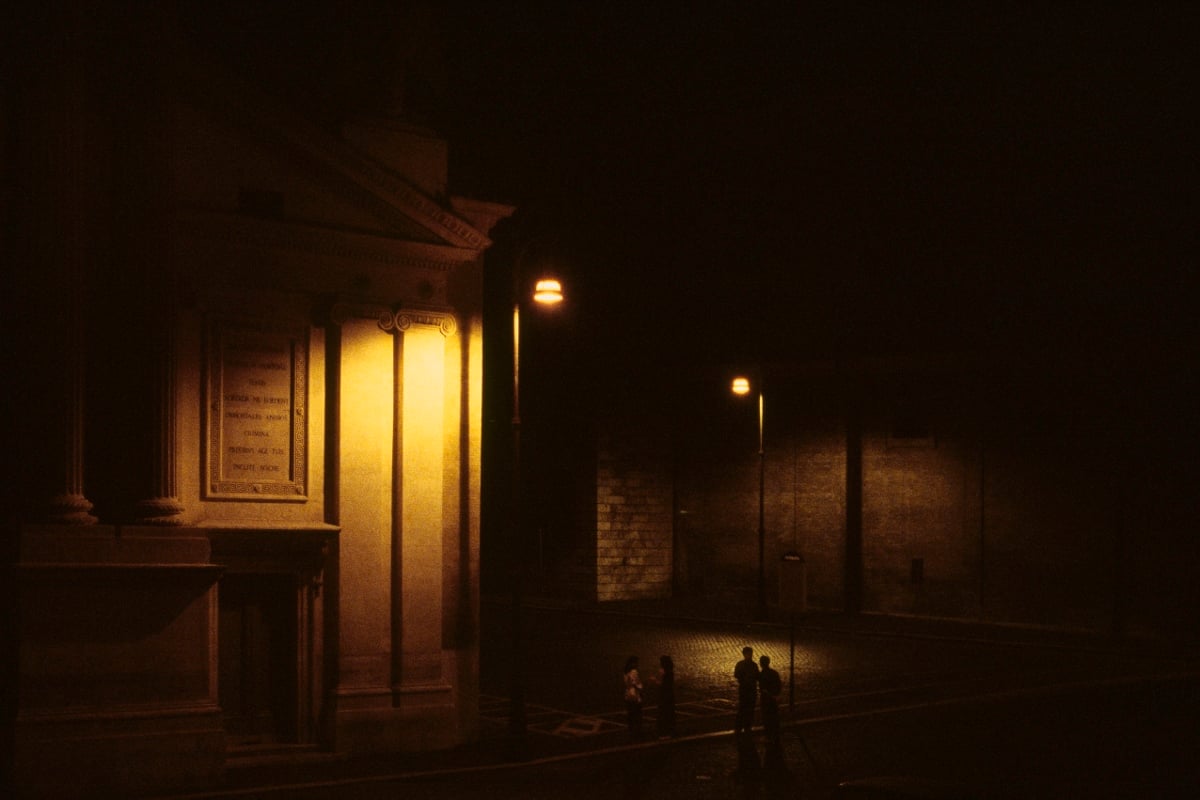
The article critiques a recent trend in contemporary photography of Rome, exemplified by a 2020 exhibition at the Mattatoio (Nuove produzioni 2020 per la collezione Roma) that presented black-and-white images reducing the urban landscape to a dark, lifeless mass. The author contrasts this with a personal photograph of a horse taken during the Covid-19 pandemic, which captures Rome's periphery with warmth and specificity, and praises the 2024 exhibition "Roma 1975, città, volti e storie dell'anno giubilare" featuring photojournalist Fabio De Angelis's rediscovered work as a vital counterpoint.
Why it matters: The article argues that photographic representation of Rome shapes public perception of the city, and that a prevailing aesthetic of subtraction—frigid, spectral, and detached—has dominated since the pandemic, impoverishing the visual culture of the capital. By championing De Angelis's humanistic, journalistic approach, the author calls for a restoration of light, texture, and lived experience in how Rome is seen and remembered, linking photography to broader debates about urban identity and cultural memory.