
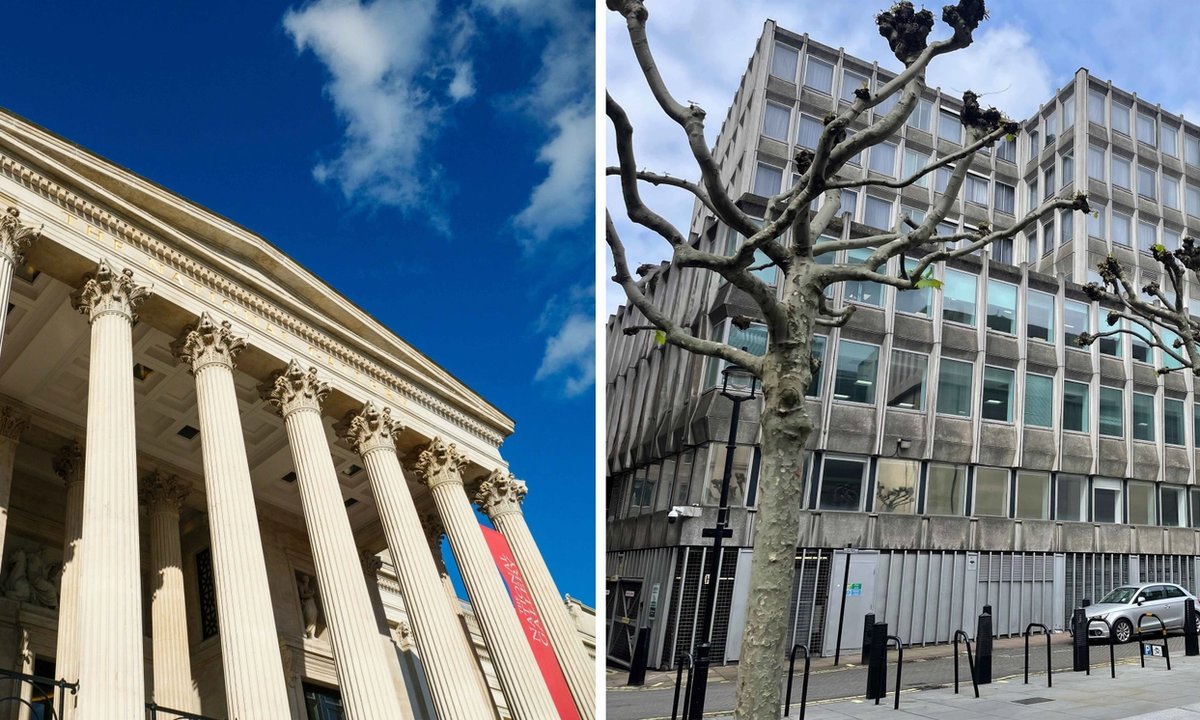
London's National Gallery has announced plans for a major new extension, costing around £400 million, with £375 million already raised in record-breaking donations. Two anonymous pledges of £150 million each, from Michael Moritz's Crankstart foundation and the Julia Rausing Trust, are described by director Gabriele Finaldi as the largest-ever known cash donations to any cultural institution globally. The new wing, to be built on the site of St Vincent House, will open in the early 2030s following an international architectural competition launching on 12 September. The gallery also revealed it will begin collecting 20th-century and contemporary art, expanding its traditional cutoff of around 1900, in collaboration with Tate.
This announcement matters because it signals a transformative shift for one of the world's most visited museums, both physically and institutionally. The extension will nearly double the gallery's exhibition space, while the new acquisition policy positions the National Gallery to engage with modern and contemporary art for the first time, potentially reshaping London's museum landscape. The unprecedented scale of private philanthropy—including two nine-figure donations—also highlights the growing reliance on wealthy donors for major cultural projects, raising questions about influence and public accountability in the arts.