
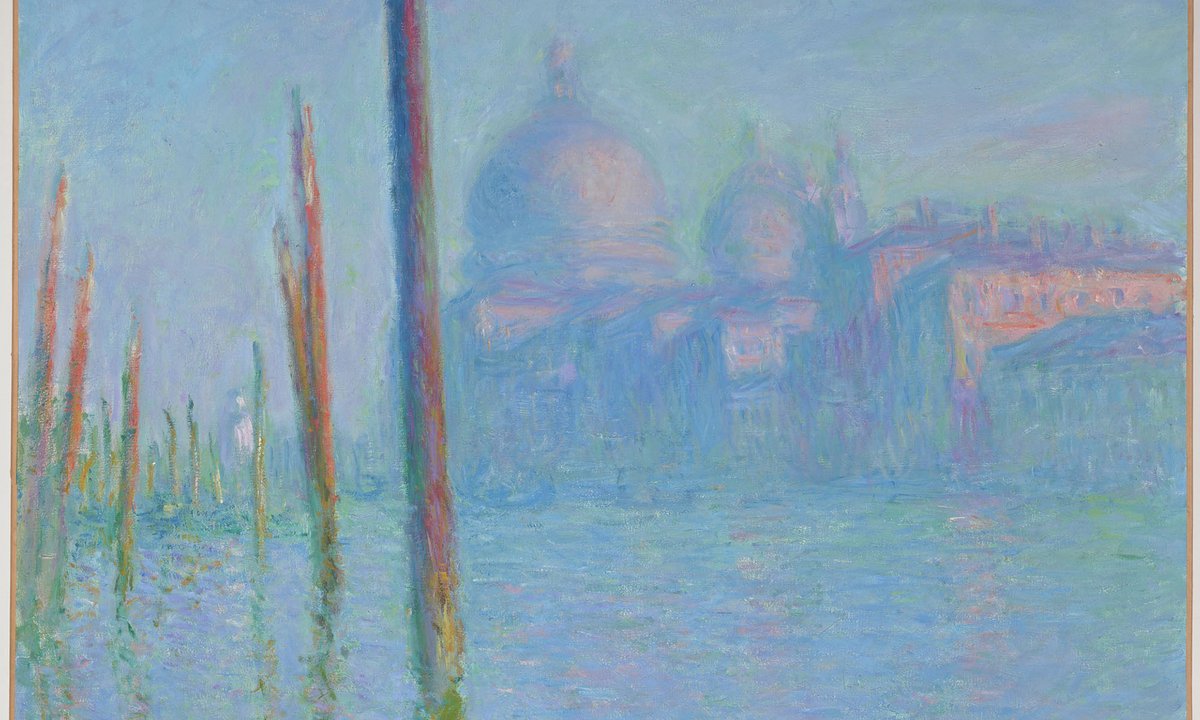
The article compares J.M.W. Turner's and Claude Monet's depictions of Venice, arguing that Turner's watercolors capture the city's innate melancholy and atmosphere, while Monet's paintings feel unfulfilling and lack emotional depth. The author reflects on Turner's sublime Venice watercolours, particularly 'San Giorgio Maggiore, Venice, at Sunset' (1840), and contrasts them with Monet's works, which are the subject of a major upcoming show at the Brooklyn Museum. The piece also touches on Francesco Guardi's visceral views versus Canaletto's more pleasing but superficial ones, and Howard Hodgkin's later, elegiac response to the city.
This matters because it challenges the conventional reverence for Monet's Venice paintings, offering a critical perspective on how different artists engage with the same iconic subject. The article underscores the distinction between merely depicting a scene and conveying its emotional resonance, a debate central to art criticism. It also highlights the enduring relevance of Turner's work, especially as the 250th anniversary of his birth prompts renewed attention to his legacy, and previews a major exhibition that may shift perceptions of Monet's Venetian oeuvre.