
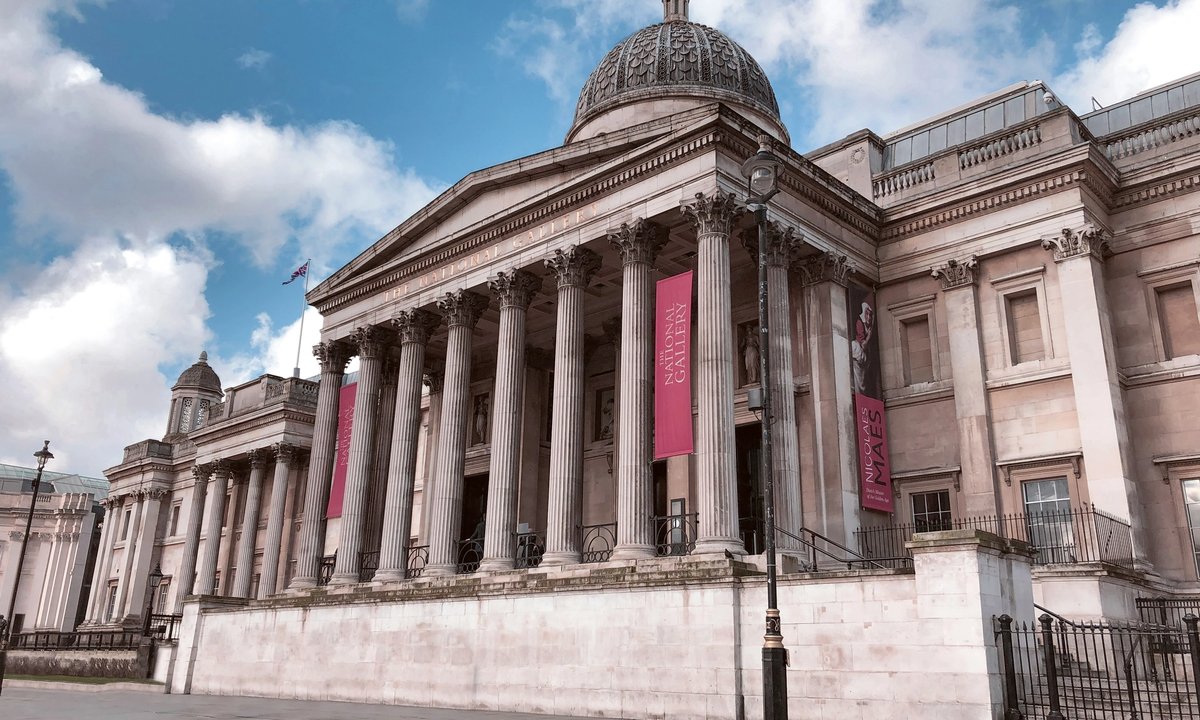
London's National Gallery is launching NG Citizens, a citizens' assembly that will advise the museum on its future policy and direction. Starting next month, 15,000 households across the UK will receive invitations, from which 50 participants will be selected via a civic lottery, eventually narrowing to 20 individuals who will serve on the panel for five years. The gallery states the initiative places audiences at the heart of decision-making, aiming to shape programs around the needs of diverse UK communities, though the assembly will not directly choose exhibitions or acquisitions but will produce recommendations on purpose, priorities, and public value.
The move has sparked debate about museum governance and accessibility. UK museums consultant Maurice Davies called it "generally good" but questioned whether it represents genuine governance change or sophisticated audience research. Former Christie's CEO Guillaume Cerutti argued a 50-person civic lottery is not the right approach to democratizing access, while cultural commentator Melanie McDonagh expressed concern about involving people with no art knowledge in decisions. The gallery insists it is a "culture-shaping step" and a collaboration, not a consultation, following a similar experiment by Birmingham Museums Trust last year. The initiative signals a broader shift toward public participation in cultural institutions, though its effectiveness remains contested.