
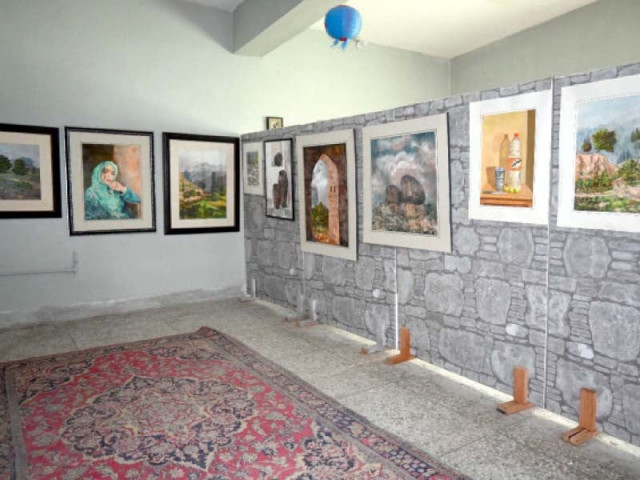
The Faizi Rahmeen Art Gallery in Karachi, Pakistan, remains unfinished over 35 years after its inception, despite being initiated during the tenure of former MQM Mayor Dr. Farooq Sattar. Construction of the ground-plus-three-storey structure was completed by 1992 at an estimated cost of Rs80 million, but work stalled after the launch of "Operation Clean-Up" against the MQM and the dissolution of the local government. A brief revival in 2007 only saw installation of glass panels and floor tiling; core civil works are only 70% complete, and key systems like electrical, mechanical, revolving stage, and sound system are still pending. The site, formerly the residence of renowned author Atiya Begum and artist Faizi Rahmeen, was donated to the Karachi Metropolitan Corporation (KMC) in trust with the explicit intention of establishing an art gallery. KMC's Culture, Sports and Recreation office now operates from the property, but the gallery itself remains stalled due to lack of political priority for arts and culture.
This matters because the prolonged delay reflects a systemic neglect of cultural infrastructure in Pakistan's largest city, where political leaders prioritize visible projects like roads and bridges over arts and recreation. The gallery, intended to honor the legacy of a legendary couple devoted to literature, art, and music, represents a lost opportunity for Karachi's cultural identity and community enrichment. The KMC now estimates Rs1 billion is needed to complete the project, and while a PC-1 proposal is being prepared, the decades-long stagnation underscores how arts funding and cultural heritage are often sidelined in favor of vote-bank politics. The situation highlights broader challenges facing cultural institutions in developing urban centers, where trust donations and civic commitments can remain unfulfilled for generations.