
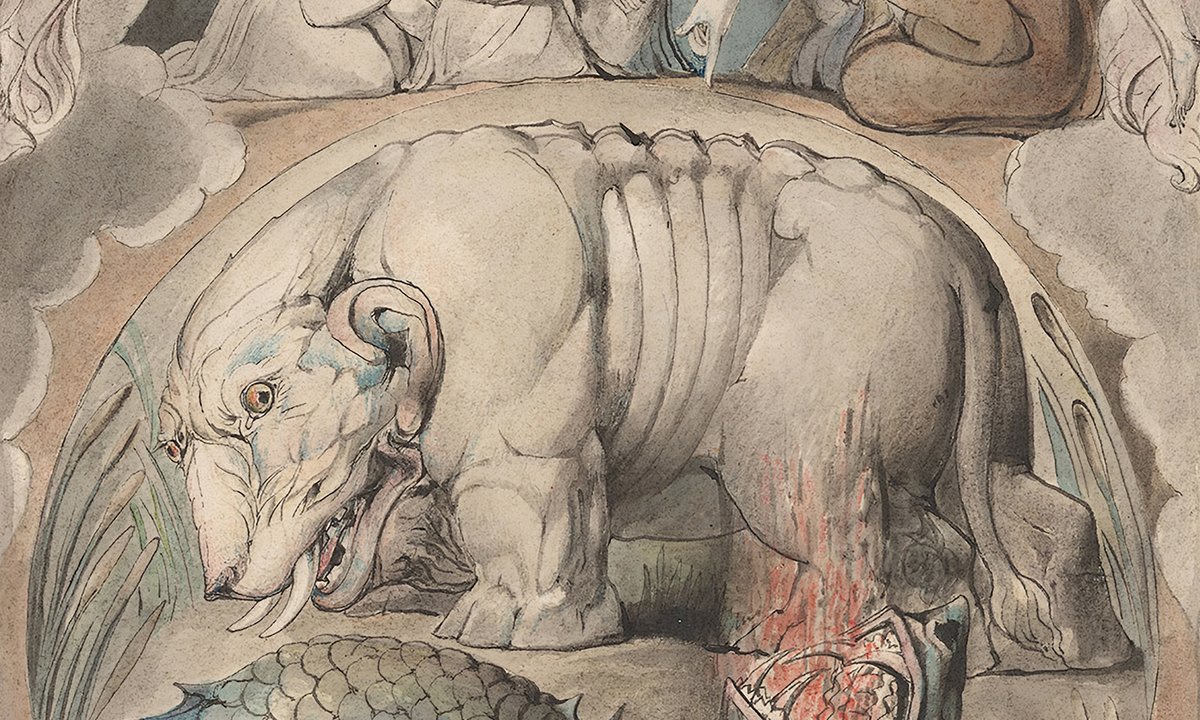
A new book titled "William Blake and the Sea Monsters of Love" by biographer and critic Philip Hoare explores the life and work of William Blake, focusing on the three years the artist spent in Felpham, a coastal village in England, starting in 1800. Hoare argues that the ocean profoundly influenced Blake's art and poetry, using the sea as a metaphor to examine Blake's visionary prints, poems like "Milton," and his androgynous, fluid figures. The book also weaves in a cast of other historical figures—including Herman Melville, Paul Nash, and Nancy Cunard—whom Hoare dubs "sea monsters" for their rebellious, queer, and amphibious spirits.
This book matters because it offers a fresh, poetic lens on William Blake, one of the most influential figures in British art and literature, by connecting his visionary imagination to the natural world and the sea. Hoare's unconventional approach—part biography, part personal reverie—challenges traditional art historical analysis and highlights how environment can shape artistic output. The book also revives interest in Blake's legacy at a time when discussions of spirituality, ecology, and queer identity are increasingly relevant in the art world.