
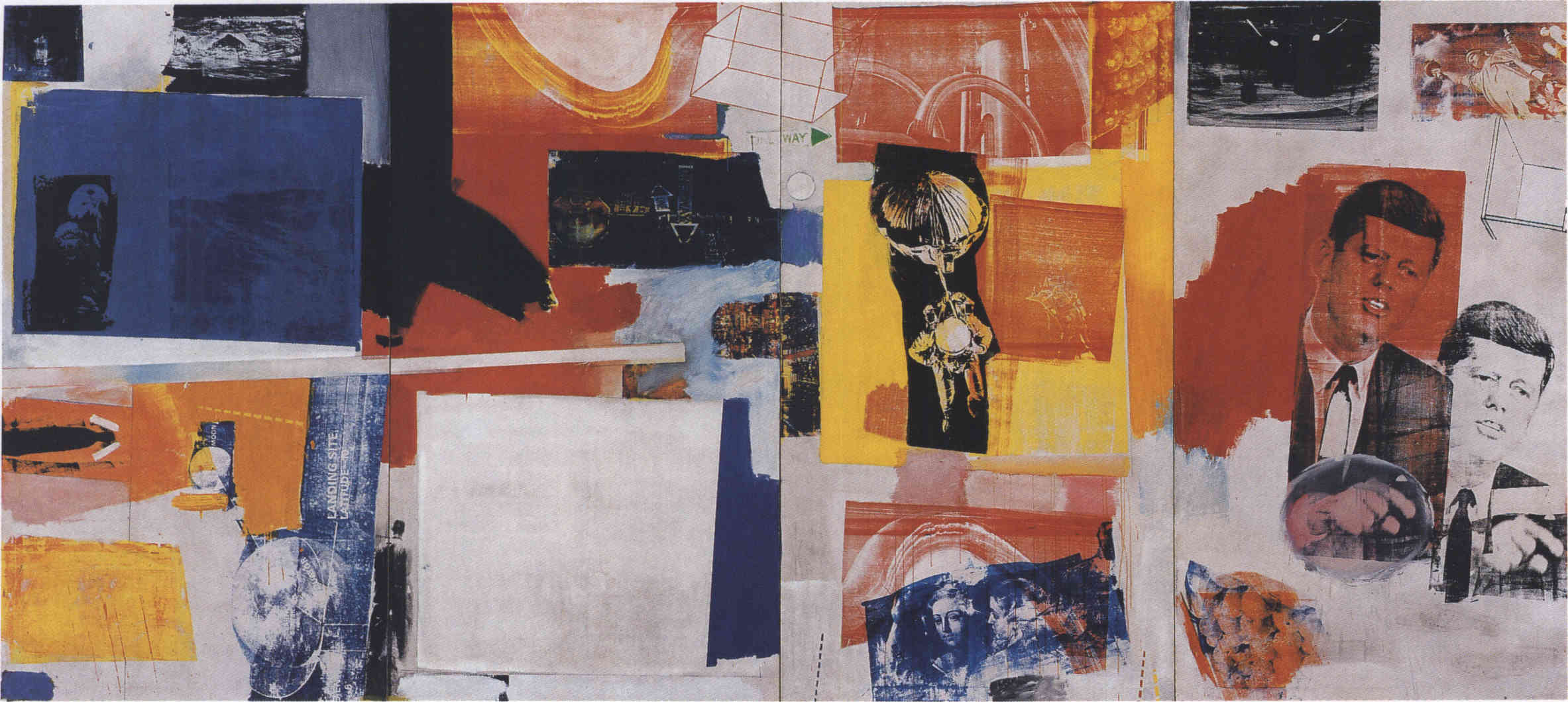
The Museum Brandhorst in Munich has opened "Five Friends," a major exhibition exploring the interconnected creative and personal relationships among John Cage, Merce Cunningham, Jasper Johns, Robert Rauschenberg, and Cy Twombly. Spanning 180 works from the late 1940s through the 1970s, the show includes paintings, sculptures, costumes, musical scores, photographs, and letters, beginning with Cage's silent composition 4'33" and Rauschenberg's White Painting. It is the first exhibition to bring these five figures together, drawing on loans from Cologne's Museum Ludwig and U.S. institutions, and coincides with the centenary of Rauschenberg's birth.
This exhibition matters because it reframes the canonical narrative of postwar American art by foregrounding the queer relationships and collaborative bonds among these five titans of early postmodernism. By setting their work against the repressive backdrop of McCarthy-era America, the show reveals how personal entanglements and desire fueled historic artistic breakthroughs, offering a deeper, more nuanced reading of their contributions. The exhibition also highlights the long-overlooked queer dimensions of their work, challenging traditional art-historical interpretations.