
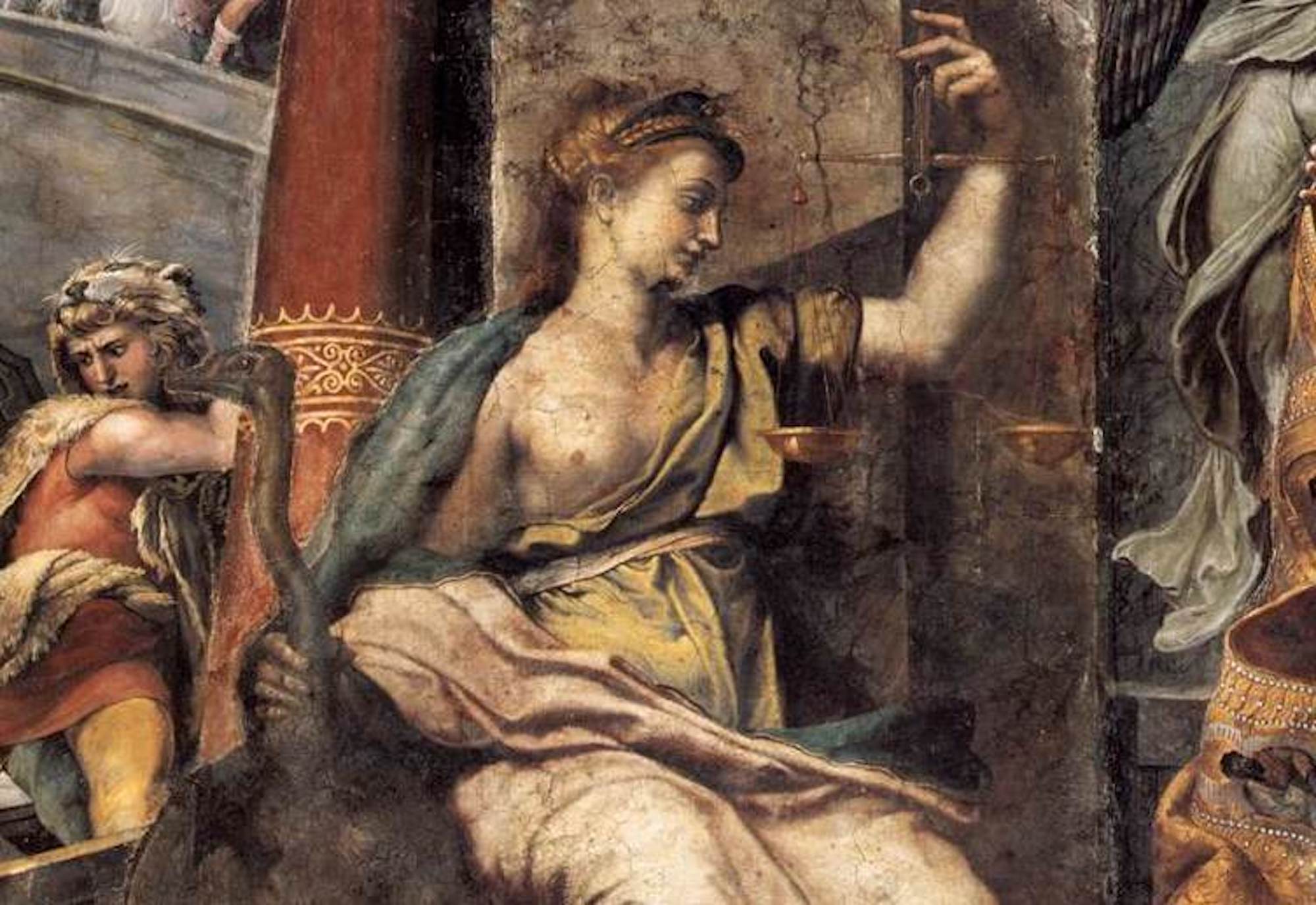
The Vatican Museums have completed the decade-long restoration of the Hall of Constantine, one of the Raphael Rooms, revealing that Renaissance master Raphael himself painted two figures—Justice and Friendship—in the hall, contrary to the long-held belief that the entire room was executed solely by his assistants after his death. Conservators identified Raphael's hand by his distinctive oil-on-resin technique, which differed from the traditional fresco methods used by his assistants Giulio Romano, Gianfrancesco Penni, and Raffaellino del Colle. The discovery was made during a meticulous restoration that began in March 2015 and finished in December 2024.
The discovery matters because it rewrites a significant chapter of art history, adding two newly attributed works to Raphael's catalog and demonstrating his experimental oil-painting technique on walls—a method never before found in other murals. It also clarifies the extent of Raphael's involvement in the Hall of Constantine before his death in 1520, offering fresh insights into Renaissance workshop practices and the master's final artistic ambitions. The finding underscores the value of long-term conservation projects in uncovering hidden historical truths.