
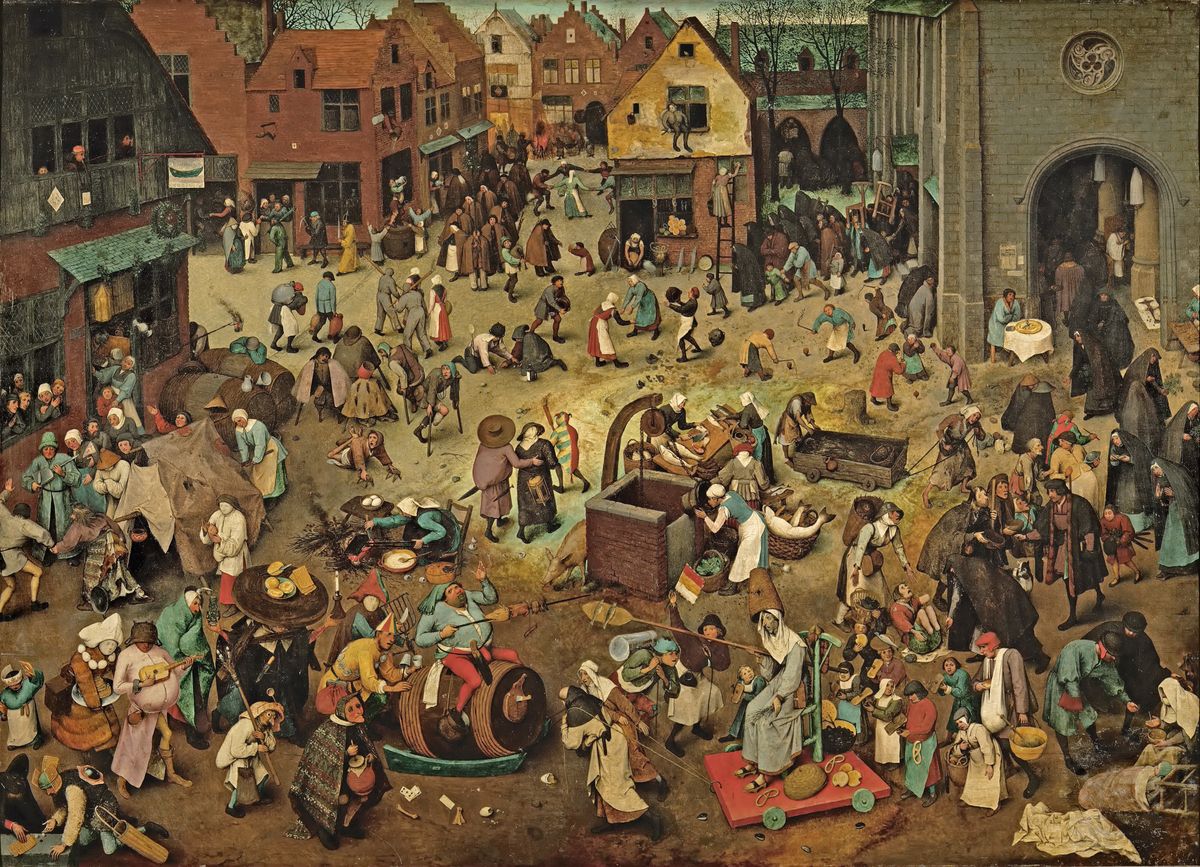
The article examines the philosophical and literary significance of laughter in François Rabelais's work, particularly *Gargantua and Pantagruel*, contrasting his celebratory view with the predominantly negative assessments of laughter in Western philosophy from Plato to Hobbes. It highlights how Rabelais channels a durable tradition of folk humor as a form of affirmative relief from oppression and official solemnity.
The analysis gains contemporary relevance through the lens of Mikhail Bakhtin's 1965 critical work, *Rabelais and His World*, which argues that Rabelais's integration of carnivalesque, grotesque, and folk elements demanded a restructuring of aesthetic concepts. The article discusses a newly revised edition of Bakhtin's monograph, positioning Rabelais's laughter not as mere satire but as a positive, life-affirming force that challenges canonical literary forms and remains a vital subject for cultural and artistic theory.