
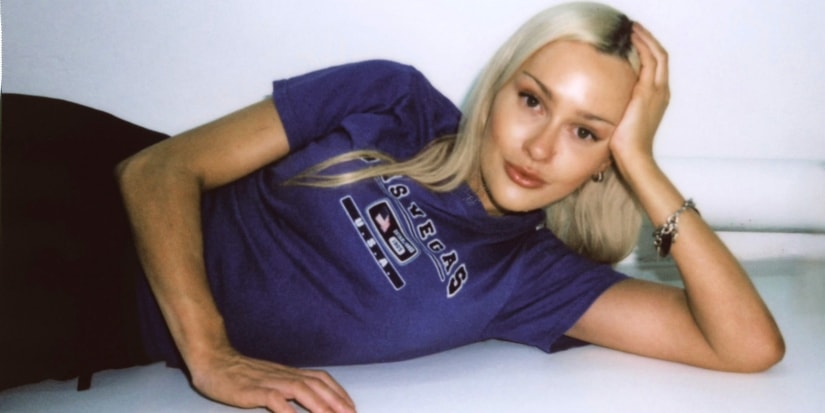
The 61st Venice Biennale returns amid controversy, including calls to exclude Israel, scrutiny over Russia's participation, and the reinstatement of Australian artist Khaled Sabsabi. Despite the political tensions, the exhibition will feature a strong lineup of female artists, from established names like Marina Abramović and Jenny Saville to emerging voices such as Maja Malou Lyse, who becomes the youngest artist to represent Denmark. The 2026 edition also introduces dedicated spaces for Black and Indigenous artists for the first time, with works exploring themes from male fertility to patriarchal violence and resilience.
This year's Biennale matters because it underscores the enduring power of art to respond to political and social crises while amplifying underrepresented perspectives. The focus on female artists—including Nalini Malani, Natasha Tontey, and Ásta Fanney Sigurðardóttir—reflects a broader shift toward inclusivity in the art world, challenging historical gender imbalances. The inclusion of dedicated Black and Indigenous spaces marks a significant institutional step, signaling that major global exhibitions are increasingly prioritizing diversity and addressing contemporary issues like fertility decline, surveillance, and colonial legacies.