
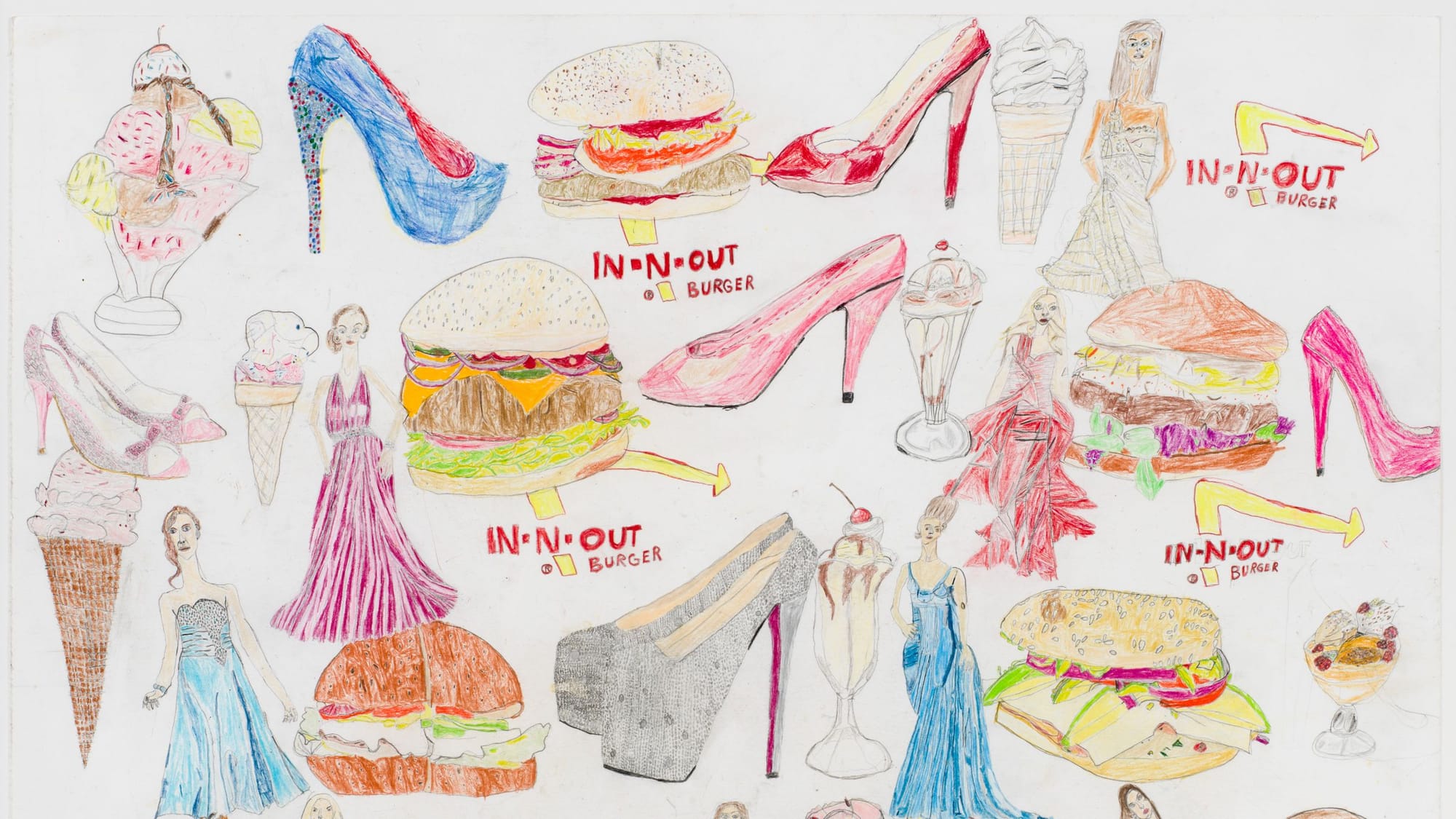
The American Folk Art Museum (AFAM) in New York will present "Self-Made: A Century of Inventing Artists" this spring, a major exhibition examining the historical definition of the "self-taught artist" through authorship, agency, and self-representation. Featuring over 90 works spanning the early 20th century to today, the show is organized around three strategies—self-portraiture, alter egos, and autobiography—and includes pieces by Henry Darger, Clémentine Hunter, Martín Ramírez, Aloïse Corbaz, Adolf Wölfli, Nicole Appel, Susan Janow, and Joe Coleman, many on view for the first time.
This exhibition matters because it challenges longstanding art historical assumptions that have marginalized self-taught artists, positioning them as central contributors to modern and contemporary art rather than outliers. By centering self-invention and drawing on AFAM's Rethinking Biography initiative, the show offers a timely, inclusive rethinking of artistic identity, especially for artists historically excluded due to race, gender, or disability. Free admission underscores the museum's commitment to broad public access, making this a significant moment for both scholarship and audience engagement.