
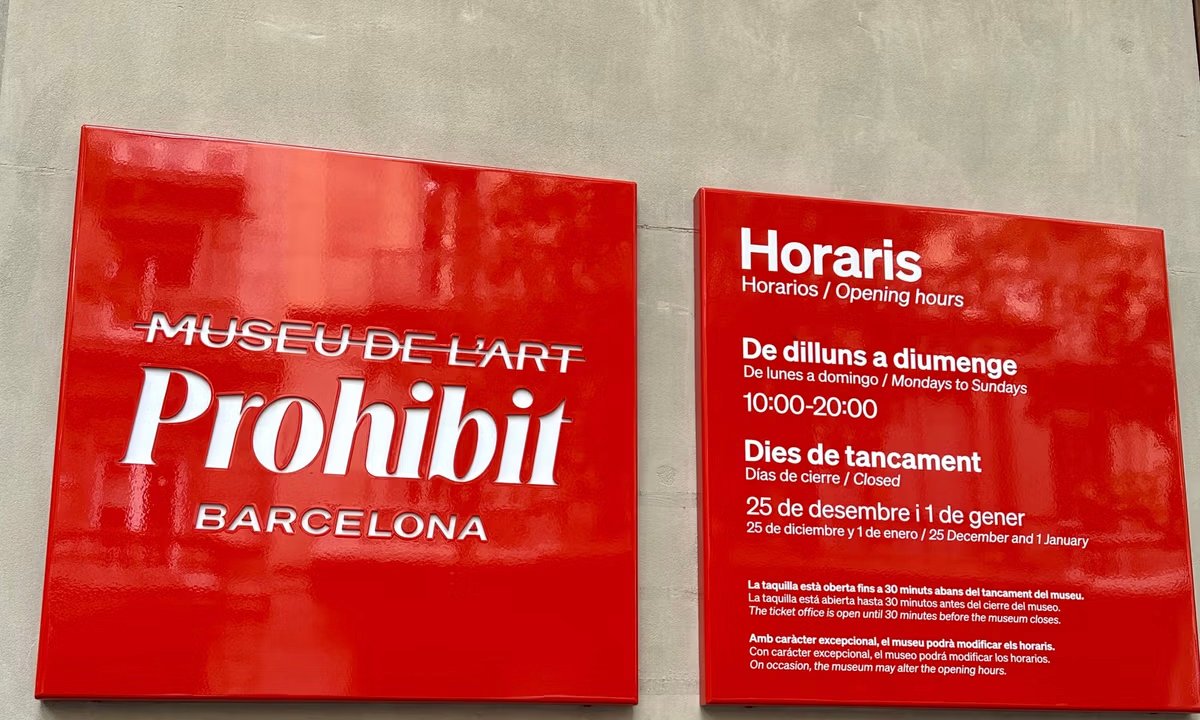
The Museu de l’Art Prohibit (Museum of Censored Art) in Barcelona, the world's first museum dedicated to censored artworks, has closed indefinitely less than two years after opening. Founded in October 2023 by Catalan journalist and businessman Tatxo Benet, the museum housed over 200 banned works by artists including Ai Weiwei, David Wojnarowicz, and Abel Azcona. The closure, announced on June 27, was attributed to financial losses caused by four months of picketing by the Solidarity and Unity of Workers union (SUT), which protested the museum's termination of a contract with management company Magma Cultura. The union demanded better working conditions, including improved air conditioning, more breaks, and higher pay.
This closure matters because it highlights the fragility of niche cultural institutions that challenge political and social norms, especially when labor disputes intersect with artistic missions. The museum's unique focus on censored art—featuring works like Eugenio Merino's "Forever Franco" and Ines Doujak's controversial installation—made it a lightning rod for both free-speech advocacy and criticism. Benet now plans to transform the collection into a nomadic global touring exhibition, a shift that could redefine how controversial art reaches audiences outside traditional museum settings. The case also underscores ongoing tensions between institutional labor practices and the preservation of provocative cultural spaces.