
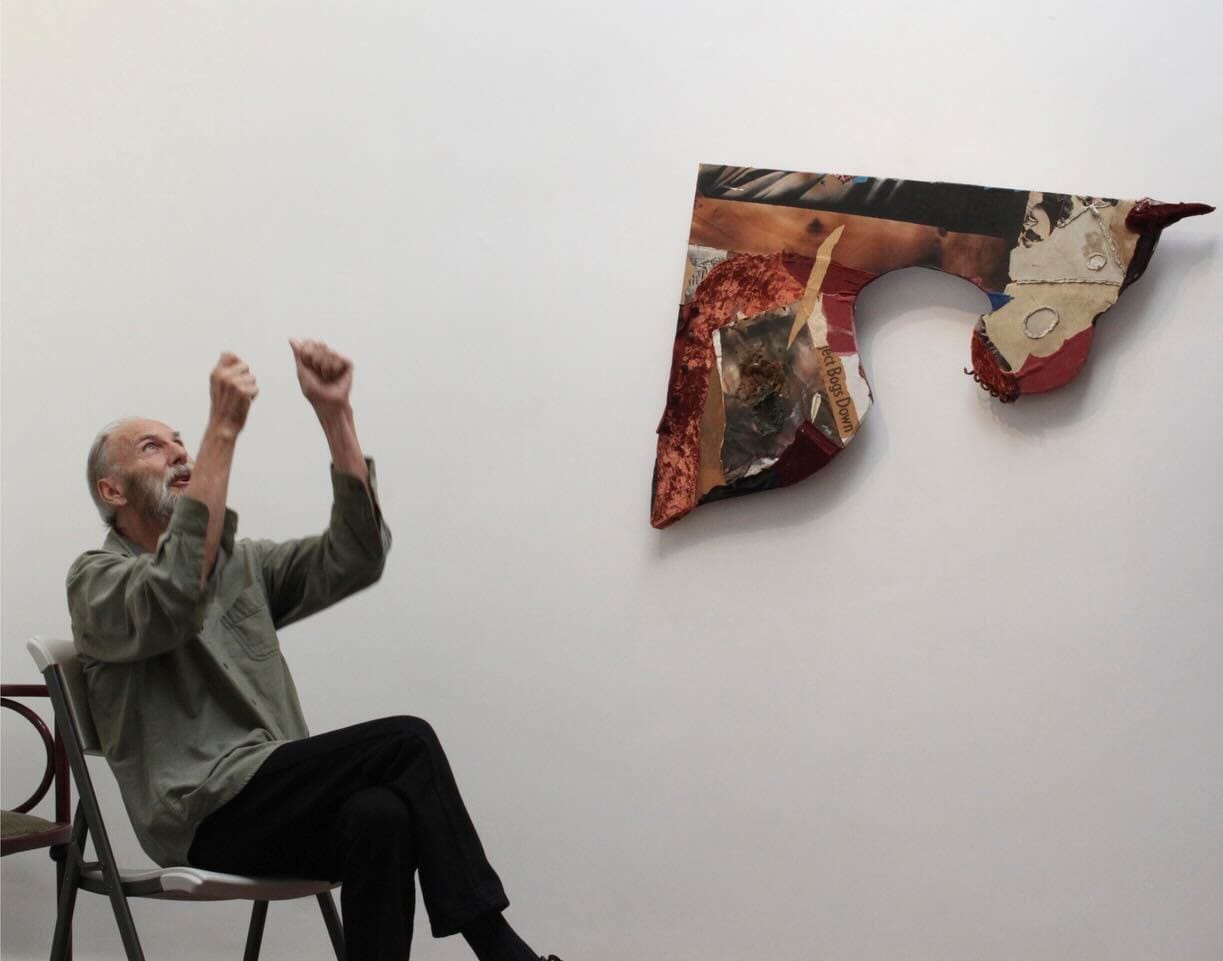
George Herms, a pioneering figure in the West Coast Assemblage movement, died on April 24 at age 90. Known for transforming found materials, rusted metal, and debris into poetic sculptures and collages, Herms emerged from the Beat scene in Topanga Canyon and was influenced by artist Wallace Berman. His first assemblage show, Secret Exhibition (1957), was held in a vacant lot, and he was later included in MoMA's landmark 1961 exhibition The Art of Assemblage. Over seven decades, he exhibited widely, including at the Museum of Contemporary Art, Los Angeles, and Morán Morán, and created public artworks in LA such as 'Portals to Poetry' and 'Clocktower: Monument to the Unknown.'
Herms's death marks the loss of a foundational artist who elevated discarded objects into meditations on impermanence, blending pathos and humor. His work challenged traditional notions of value and materiality, influencing generations of assemblage and found-object artists. As one of the last links to the Beat-era California art scene, his legacy underscores the enduring power of improvisation and the sacred in the mundane, making his passing significant for both art history and contemporary practice.